

Table of Contents
- Jain Food in Nice: How to Order Well at The Crossing
- Jain cooking begins with ahimsa
- Read the menu for clues, then speak with the team
- A better way to make the request
- What a Jain meal at The Crossing Nice might look like
Jain Food in Nice: How to Order Well at The Crossing
The most useful sentence a Jain guest can say in a restaurant is also the simplest: “I follow a Jain diet, and these are the ingredients I avoid.” It gives the kitchen something precise to work with. A vegetarian symbol cannot do that job. Neither can a menu description, however detailed it looks.
At The Crossing Indian Bistro in Nice, several dishes may be suitable for Jain guests, according to the restaurant’s current guidance. The important word is “current.” Recipes change, seasonal vegetables change, and people follow Jain dietary practice at different levels. The team should confirm what is available when you dine.

Jain cooking begins with ahimsa
Jain food is shaped by ahimsa, the principle of avoiding harm to living beings. Vegetarianism is central, while many Jain diners also avoid root vegetables because harvesting them destroys the whole plant and disturbs life in the soil. Onion and garlic are among the best-known exclusions; potatoes, carrots and ginger are also commonly avoided. Jain World’s guide to food habits gives a useful introduction, although an individual guest’s practice remains the clearest guide for the kitchen.
This is why “vegetarian” and “Jain-friendly” cannot be used as synonyms. A dish may contain no meat or egg and still begin with an onion masala. Vegan food can include garlic, potato or another underground vegetable. For some diners, fermentation, preparation time or eating after sunset also matters. A brief conversation is more respectful than an assumption.
Read the menu for clues, then speak with the team
The current Nice menu is candid enough to show why confirmation matters. Dahi Puri contains potato. Junction Aloo Tikki includes potato and carrot, while Zeera Aloo also uses ginger. The Yellow Dal Tadka is finished with a chilli-and-garlic tempering; Saag contains garlic, and the Paneer Tikka Butter Masala has an onion-and-tomato base. All are vegetarian dishes. As listed, none should be presumed suitable for a Jain guest.
Other choices look simpler on paper. Steamed basmati rice has no restricted ingredient named in its description, while raita is listed as yoghurt with toasted cumin. Plain naan may also be worth asking about. Yet a short description does not reveal every ingredient, the preparation surface or whether a finishing garnish has changed. The safest question is specific: can the kitchen prepare a complete Jain meal today, using ingredients and utensils appropriate to your own level of observance?
And it is worth being equally clear about mushrooms. Many Jain families avoid fungi, while observance still varies by person. Mushroom Korma should never be treated as a universal solution simply because it is marked vegan.
The Crossing Nice says it offers several options for Jain guests and asks diners to check with the team for the latest guidance. That is more useful than a permanent online list. A kitchen can tell you what has already been prepared, which sauces use onion or garlic, and what can genuinely be adjusted without leaving you with a plate assembled out of side dishes.
A better way to make the request
Mention your requirements while booking, especially for a weekend meal, a celebration or a larger group. The Crossing Indian Bistro Nice welcomes walk-ins, though advance notice gives the kitchen time to answer properly. It also avoids the slightly dispiriting ritual of discovering, course by course, why each first choice will not work.
You might say: “I follow a Jain diet. I avoid onion, garlic, potatoes, carrots, ginger and other root vegetables, as well as eggs. I also avoid mushrooms. Could you tell me which dishes are suitable today, and whether separate preparation is possible?” Change the list to match your own practice. If shared equipment is a concern, say so. Jain dietary requirements are religious observances rather than food allergies, although the same precision helps the restaurant respond safely and honestly.
The restaurant cannot guarantee a completely allergen-free environment, so guests managing an allergy alongside a Jain diet should discuss both. They are separate questions.
What a Jain meal at The Crossing Nice might look like
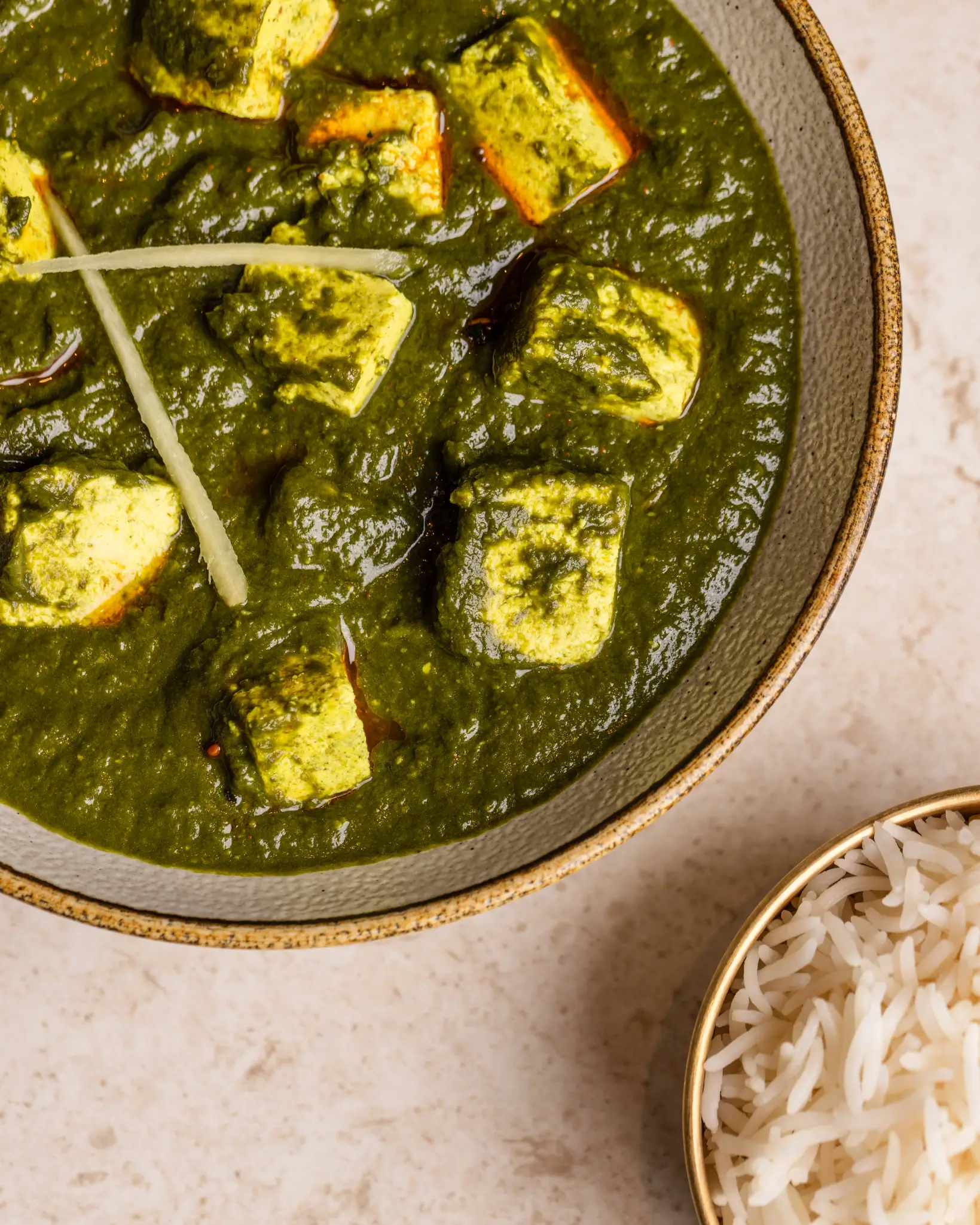
A good meal does not need to imitate the standard menu with ingredients removed one by one. It should have its own shape. Depending on the preparations available that day, the team may guide you towards a suitable rice dish, an adjusted lentil or vegetable preparation, cooling yoghurt and an appropriate bread. The exact combination should come from the kitchen, not an old blog post.
This approach fits Chef Ankur Chakraborty’s wider philosophy at The Crossing Indian Bistro. He describes the cooking as an exercise in editing: fewer spices used properly, with heat and time doing more of the work. Jain cooking rewards the same attention. Remove onion and garlic carelessly and a sauce can taste hollow. Rebuild it around cumin, tomato, fresh herbs or another permitted ingredient, and it becomes a considered dish rather than a compromise.
There is pleasure in the practical side of the meal too. The Crossing CAP3000 sits beside Porte de la Plage in Saint-Laurent-du-Var, with the Mediterranean beyond the dining room and seasonal terrace. Once the order is settled, the dietary discussion can recede and dinner can get on with being dinner.
Review the Nice location, browse the current menu and reserve a table at The Crossing Nice. Add your Jain requirements to the booking notes or contact the restaurant before your visit.


