

Table of Contents
- Introduction: Rethinking Heat in Indian Cuisine
- Pepper as India’s First Heat
- Aroma, Warmth, and the Early Indian Palate
- The Arrival of Chili and a Culinary Turning Point
- How Chili Changed Regional Indian Cooking
- Heat as Balance, Not Intensity
- Parisian Restraint and the Reinterpretation of Indian Heat
- From Indian Kitchens to Riviera Tables
- The Crossing Nice: Heat Used With Intelligence
- Why Understanding Heat Defines the Best Indian Restaurant Experience
Introduction: Rethinking Heat in Indian Cuisine
Indian food is frequently described as spicy, yet this description often confuses sensation with intention. Heat in Indian cooking was never meant to dominate. It was meant to support.
For diners seeking the best Indian restaurant experiences in Nice, understanding this distinction transforms how Indian cuisine is perceived. Heat is not a test of endurance. It is a tool — one that evolved gradually through history, geography, and necessity.
India’s journey of heat begins not with chili, but with pepper.
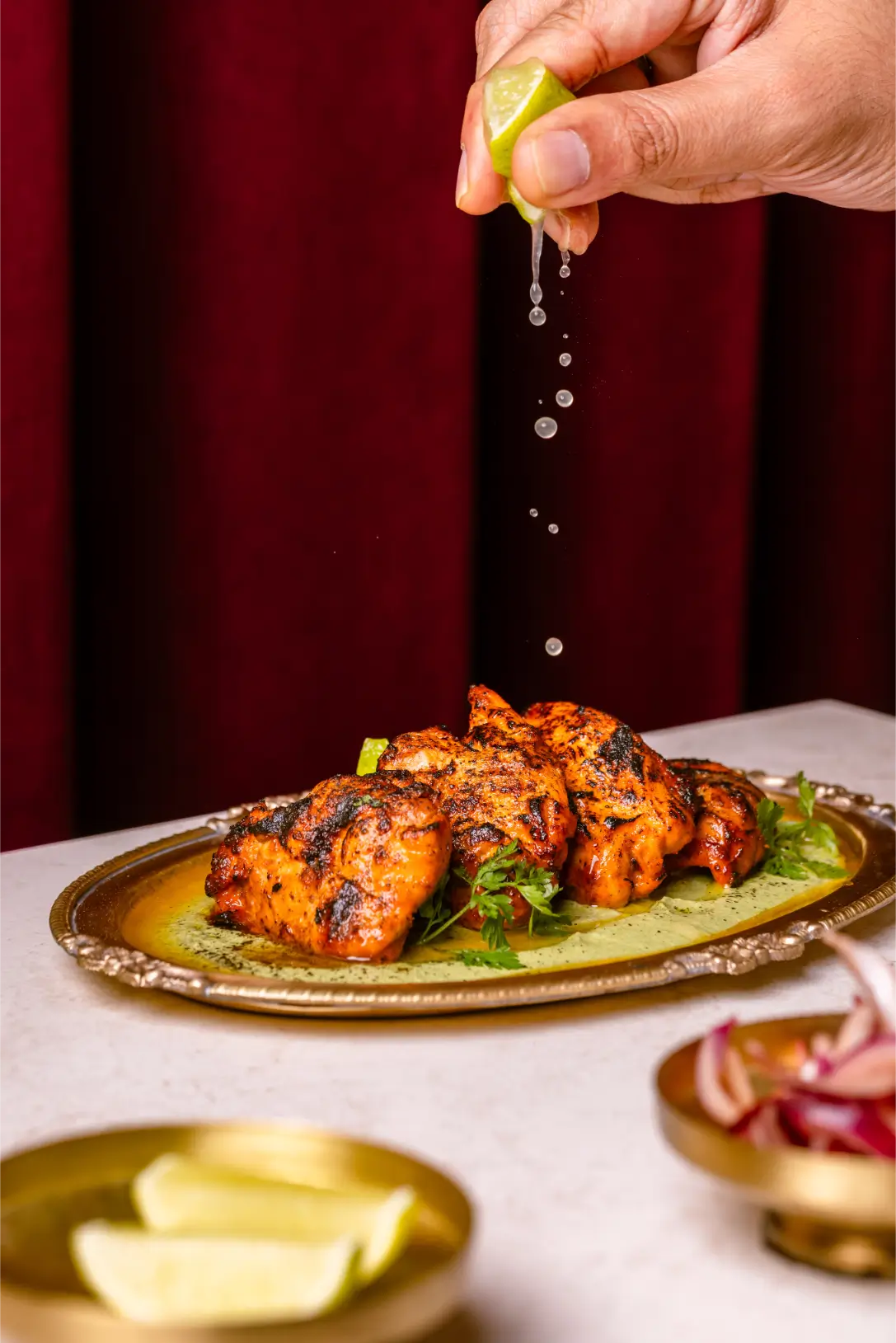
Pepper as India’s First Heat
Long before chili peppers arrived on Indian shores, black pepper defined heat in Indian cooking.
Native to the Malabar Coast, pepper was valued not for aggression, but for warmth and fragrance. It stimulated appetite, aided digestion, and complemented other aromatics.
Pepper’s heat was fleeting. It rose quickly and faded gently. This quality shaped early Indian cooking, which favoured layering over impact.
Pepper travelled widely within India and beyond, becoming one of the world’s most sought-after spices. Yet within Indian kitchens, it remained measured — a supporting note rather than a headline.
Aroma, Warmth, and the Early Indian Palate
Early Indian cuisine prioritised aroma over intensity.
Ginger, cumin, coriander, cardamom, and pepper worked together to create warmth that spread rather than burned. Food was designed to comfort the body, particularly in varied climates.
Meals supported daily labour, travel, and ritual. Heat served function — improving circulation, digestion, and preservation.
This philosophy of gentle stimulation remains foundational. Even today, many regional dishes rely more on aromatic warmth than chili-driven fire.
The Arrival of Chili and a Culinary Turning Point
Chili peppers arrived in India in the 16th century through Portuguese trade routes.
Unlike pepper, chili offered persistent heat. It lingered, built, and asserted itself. It was also easier to cultivate and more affordable.
Indian cooks adopted chili not as replacement, but as addition. Over time, chili reshaped regional flavour profiles, especially in hotter climates where preservation mattered.
This moment marked a turning point. Heat became more visible — but it did not erase earlier traditions of balance.

How Chili Changed Regional Indian Cooking
Chili’s impact varied across India.
In Andhra Pradesh and parts of Telangana, chili became central, shaping bold, assertive cuisines. In Rajasthan, it complemented scarcity-driven cooking. In coastal regions, chili balanced coconut and acidity.
Elsewhere, chili remained secondary. Kashmir favoured color over heat. Bengal used green chili sparingly. Kerala retained pepper alongside chili.
This diversity reveals an essential truth: Indian cuisine never pursued heat for its own sake. It adapted chili to existing philosophies.
Heat as Balance, Not Intensity
Indian cooking treats heat as one element among many.
Acidity tempers fire. Fat carries spice. Sweetness softens edges. Texture provides relief.
When heat is balanced, it energises rather than exhausts. This approach allows meals to be eaten daily, not just occasionally.
The best Indian restaurant experiences honour this logic. They present heat as choice, not obligation — inviting diners into flavour rather than challenging them.

Parisian Restraint and the Reinterpretation of Indian Heat
Paris played a key role in reshaping how Indian heat is understood in France.
French dining culture values clarity. Excessive heat obscures flavour rather than enhancing it.
As Indian cuisine evolved in Paris, spice levels were recalibrated. Heat became aromatic. Chili was used with intention.
For diners accustomed to Parisian restraint, this approach revealed Indian cuisine’s depth beyond heat — a perspective that continues to influence dining across France.
From Indian Kitchens to Riviera Tables
The Riviera rewards food that restores rather than overwhelms.
Indian cuisine shaped by balanced heat aligns naturally with coastal living. After sun and sea, diners seek warmth without fatigue.
Pepper-led warmth, gentle chili, and aromatic spice create meals that feel grounding yet light.
This is why Indian dining, when approached thoughtfully, feels at home in Nice.
The Crossing Nice: Heat Used With Intelligence
At The Crossing Nice, heat is treated as language rather than spectacle.
Inspired by India’s railway crossings — spaces where food needed to please many — spice is calibrated carefully. Dishes are aromatic. Heat unfolds gradually.
Under Chef Ankur Chakraborty’s guidance, pepper and chili are used in dialogue, not competition. Each dish respects balance and context.
This philosophy places The Crossing among the best Indian restaurant experiences in Nice for diners who value understanding over bravado.

Why Understanding Heat Defines the Best Indian Restaurant Experience
Heat reveals a kitchen’s discipline.
Too much obscures technique. Too little flattens character.
The best Indian restaurant experiences demonstrate control — using heat to support flavour, not dominate it.
Understanding India’s journey from pepper to chili allows diners to appreciate Indian cuisine as it was meant to be experienced: layered, thoughtful, and deeply human.
Final Reflections: Heat That Warms, Not Overwhelms
India’s relationship with heat has never been singular.
From pepper’s fleeting warmth to chili’s persistent fire, each evolution added possibility rather than replacing tradition.
For diners in Nice discovering Indian cuisine through thoughtful kitchens, this history matters.
Because when heat is used with intelligence, it does not overwhelm. It welcomes — gently, confidently, and with lasting comfort.


