

Table of Contents
- Introduction: Why Spice Origin Matters More Than Heat
- Understanding GI Spices and Culinary Identity
- Indian Cuisine as a Geography of Flavour
- How Paris Changed the Conversation Around Ingredients
- The Crossing Nice: A Philosophy Built on Ingredient Integrity
- Key GI Spices That Shape the Menu
- How GI Spices Create Balance, Not Intensity
- Why Ingredient Provenance Defines the Best Indian Restaurant Experience
- Final Reflections: Flavour as Memory, Not Spectacle
Introduction: Why Spice Origin Matters More Than Heat
Indian cuisine is often discussed through the language of spice, yet rarely through the language of origin. In many dining rooms, spices are reduced to shorthand — hot, mild, intense — stripped of the landscapes, climates, and communities that give them meaning. For food lovers seeking the best Indian restaurant experience in Nice, this distinction matters more than ever.
Nice is a city that rewards subtlety. Influenced by Parisian precision and shaped by the Riviera’s natural ease, its dining culture values flavour that reveals itself gradually. In this context, Indian food is no longer judged by how boldly it announces itself, but by how confidently it holds its ground. GI-tagged spices allow this shift to happen. They anchor flavour in place, ensuring that Indian cuisine can travel without losing its identity.
At The Crossing Nice, spice is not used to impress quickly. It is used to build trust over time.
Understanding GI Spices and Culinary Identity
Geographical Indication, or GI, is often misunderstood as a technical certification. In reality, it is a cultural safeguard. A GI tag acknowledges that an ingredient’s character is inseparable from where it is grown — from soil composition and altitude to weather patterns and generational knowledge.
Indian cuisine has always operated on this principle, long before formal recognition existed. Pepper from the Malabar coast behaves differently from pepper grown inland. Kashmiri chilies lend colour and fragrance rather than aggression. Cardamom harvested in the Western Ghats carries a clarity shaped by mist, shade, and slow growth.
For Indian kitchens, these distinctions are essential. GI spices allow chefs to cook with confidence and restraint. Instead of layering flavour for impact, they can rely on purity and precision. In a dining environment like Nice, where excess quickly feels out of place, this clarity becomes a defining strength.
Indian Cuisine as a Geography of Flavour
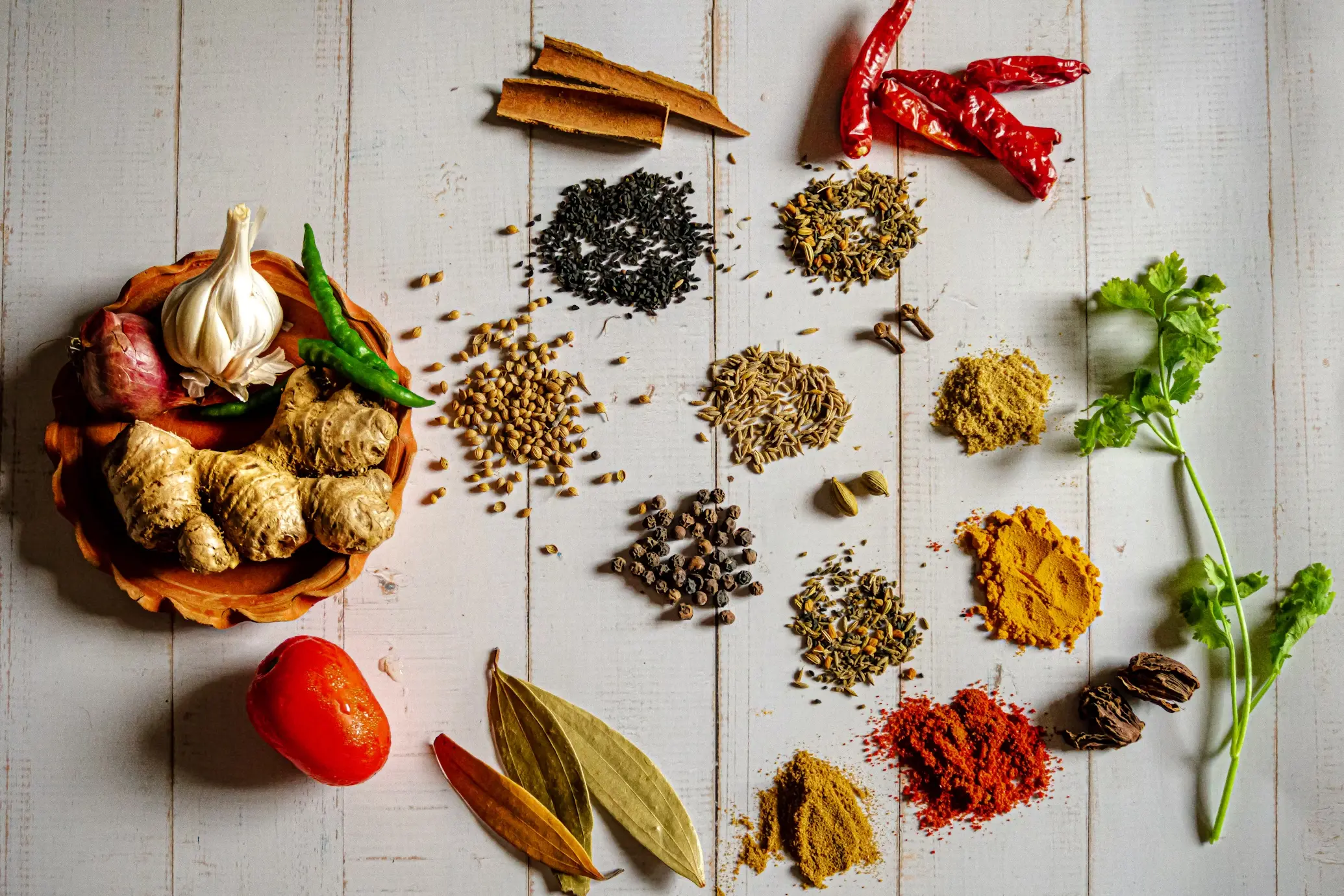
Indian cuisine is not a single voice, but a conversation between regions. Its flavours change with landscape, reflecting the realities of coastal humidity, desert heat, mountain cold, and monsoon rhythm. Spice blends are not decorative; they are functional, developed to preserve, balance, and nourish.
For food lovers familiar with Mediterranean cooking, this approach feels instinctive. Olive oil, herbs, and citrus are used differently across the Riviera, yet share a common philosophy. Indian cuisine follows the same logic, using spice as structure rather than embellishment.
When Indian food is presented through this geographical lens, it becomes more legible to Riviera diners. The flavours feel calm, deliberate, and grounded — qualities that define Indian Food experiences in Nice.
How Paris Changed the Conversation Around Ingredients
Paris has played a quiet but influential role in redefining how Indian cuisine is understood in France. Over time, the conversation shifted away from abundance and towards sourcing. Ingredients began to matter as much as recipes.
This evolution aligned Indian cooking with a French culinary value system that prioritises provenance, seasonality, and discipline. Butter, wine, cheese — and now spices — are discussed through origin rather than indulgence. Indian cuisine, when approached with this mindset, finds a natural place within contemporary French dining culture.
In Nice, this Parisian influence is softened by light and landscape. The Riviera rewards food that feels confident without being heavy. GI spices support this balance, allowing Indian dishes to carry depth without excess.
The Crossing Nice: A Philosophy Built on Ingredient Integrity
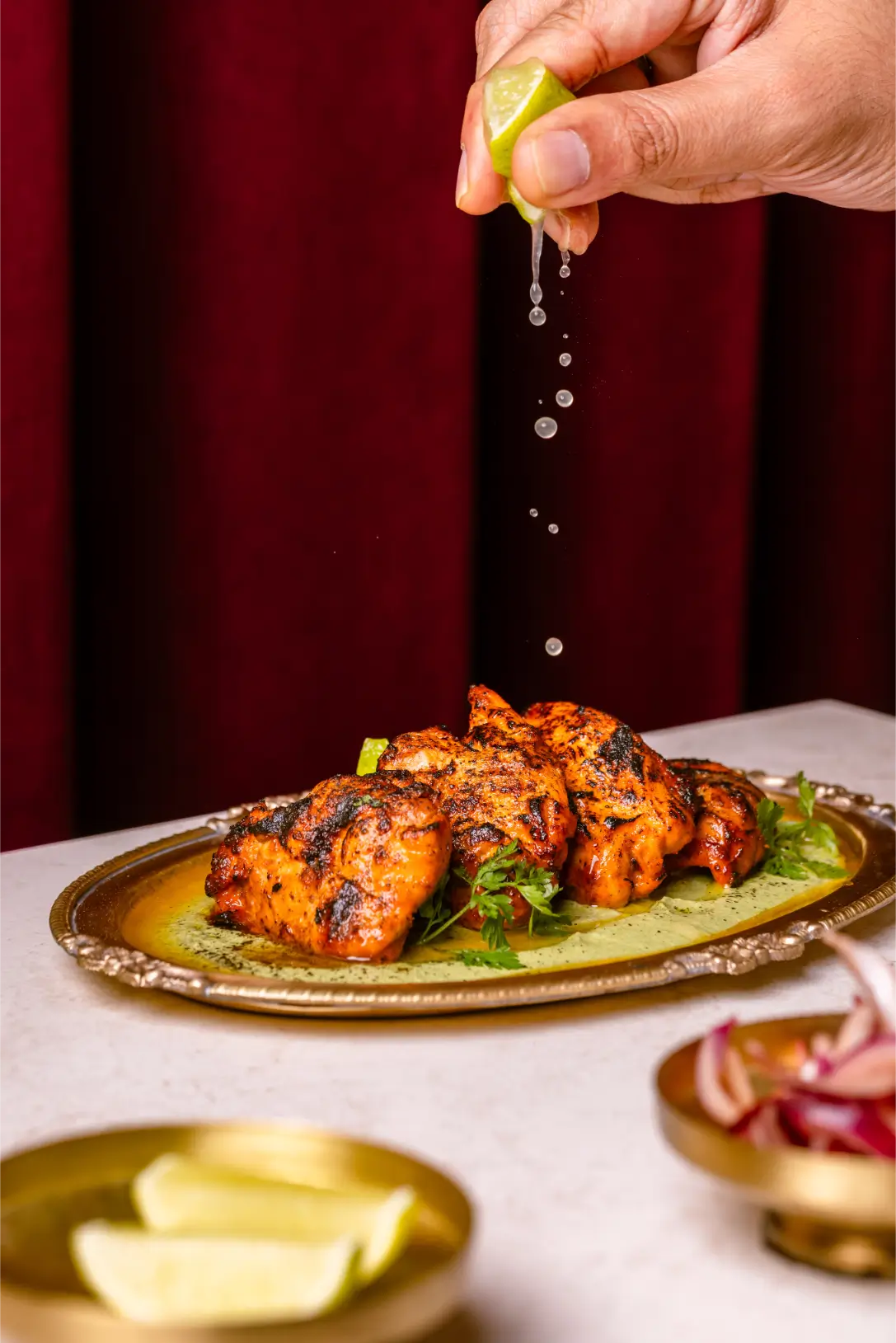
At The Crossing Nice, ingredient integrity is not a talking point; it is a working principle. Inspired by India’s railway crossings — places where people, spices, and ideas moved freely — the kitchen treats ingredients as carriers of memory rather than tools of impact.
Under Chef Ankur Chakraborty’s guidance, GI spices are handled with discipline. Each spice is used for its specific contribution, not for effect. Toasting, grinding, and timing are calibrated carefully, allowing flavour to unfold rather than announce itself.
This restraint is what places The Crossing among the best Indian restaurant destinations in Nice. The experience feels assured, composed, and designed for return rather than novelty.
Key GI Spices That Shape the Menu
Several GI-tagged spices quietly define the character of dishes at The Crossing Nice. Tellicherry black pepper offers warmth that lingers rather than spikes, forming the backbone of grilled preparations. Kashmiri chili provides colour and aroma, allowing sauces to remain balanced and expressive. Green cardamom introduces floral clarity to rice and desserts, while cumin grounds lentil dishes with earthy depth.
These spices are never isolated. They work in conversation with one another, supporting rather than competing. Their presence is not announced, but felt — a hallmark of thoughtful cooking.
How GI Spices Create Balance, Not Intensity
One of the most common reactions from guests dining at The Crossing Nice is surprise at how light the food feels. This is not the result of restraint alone, but of precision.
GI spices behave predictably. Their aromas are cleaner, their heat more controlled. This allows the kitchen to build flavour patiently, relying on technique, time, and proportion. Dishes such as Railway Lamb Curry or Alleppey Prawn Curry develop warmth that lingers gently, inviting return rather than fatigue.
In the context of the Riviera, this balance is essential. It allows Indian cuisine to sit comfortably within everyday dining habits, reinforcing its place among the best dining experiences in Nice.

Why Ingredient Provenance Defines the Best Indian Restaurant Experience
For today’s food lovers, provenance is a marker of seriousness. The best Indian restaurant experiences are those that understand ingredients as stories rather than commodities.
GI spices carry with them landscapes, labour, and memory. When respected, they allow Indian cuisine to travel without dilution. They create food that feels rooted yet adaptable — confident enough to belong anywhere, yet specific enough to remain itself.
In Nice, where diners value both pleasure and principle, this approach resonates deeply.
Final Reflections: Flavour as Memory, Not Spectacle
At its most expressive, Indian cuisine does not rely on volume. It relies on memory, rhythm, and balance. GI spices make this possible by anchoring flavour in geography and time.
At The Crossing Nice, these ingredients shape an Indian dining experience that feels calm, assured, and deeply considered. Influenced by Parisian refinement and embraced by Riviera rhythm, the restaurant offers food lovers an encounter with Indian cuisine that is neither adapted nor exaggerated.
For those seeking the best Indian food in Nice, the answer may lie not in what is added, but in what is respected.


