

Table of Contents
- Forgotten Railway Dishes That Continue to Inspire The Crossing
- Railway Food Was Never Just About Convenience
- The Legacy of Railway Curry
- Chaat: The Original Platform Food
- The Forgotten Art of Slow Food
- Why These Forgotten Dishes Matter Today
- More Than a Memory
Forgotten Railway Dishes That Continue to Inspire The Crossing
When people think about Indian food history, they often picture royal kitchens, spice markets, or family recipes passed down through generations.
What receives far less attention is the role of the Indian Railways.
For more than a century, India’s railway network functioned as a moving cultural corridor. Millions of passengers travelled between regions, carrying ingredients, cooking techniques, and food traditions with them. Platforms became marketplaces of flavour. Station vendors became custodians of local specialties. Railway journeys introduced travellers to dishes they may never have encountered otherwise. This movement of people and recipes lies at the heart of The Crossing’s philosophy.
The restaurant itself takes its name from these crossings—places where routes, cultures, and culinary traditions intersected.

Railway Food Was Never Just About Convenience
Today’s travel food is often designed for speed.
Historically, railway food served a different purpose.
Many station dishes reflected the identity of their region. Vendors prepared recipes that could withstand travel while preserving local character. Passengers learned geography through flavour. A stop in one town might introduce fragrant rice dishes; another offered lentil preparations, savoury snacks, or distinctive spice blends.
The railway platform became one of India’s most democratic dining spaces—a place where recipes crossed social, regional, and linguistic boundaries.
This spirit of exchange remains central to how The Crossing approaches Indian cuisine today.
The Legacy of Railway Curry
Few dishes capture railway history more vividly than Railway Lamb Curry.
Originally associated with long-distance journeys during the colonial railway era, railway curries were designed to remain flavourful over extended periods of travel. The slow cooking process created depth and tenderness while allowing spices to mellow into balance rather than intensity.
Over time, these dishes evolved through countless local interpretations.
At The Crossing, the Railway Lamb Curry draws inspiration from this tradition. Slow-braised lamb shank, patient cooking, and carefully controlled spice create a dish shaped by time rather than spectacle. It reflects a philosophy where repetition, technique, and restraint matter more than excess.
Chaat: The Original Platform Food
Long before modern food halls existed, railway stations were introducing travellers to India’s culture of snacking.
Many forms of chaat became popular because they delivered maximum flavour with minimal complexity. Sweet, sour, crunchy, spicy, and refreshing elements combined in a format perfectly suited to movement.
The genius of chaat lies in balance. Every bite feels alive with contrast.
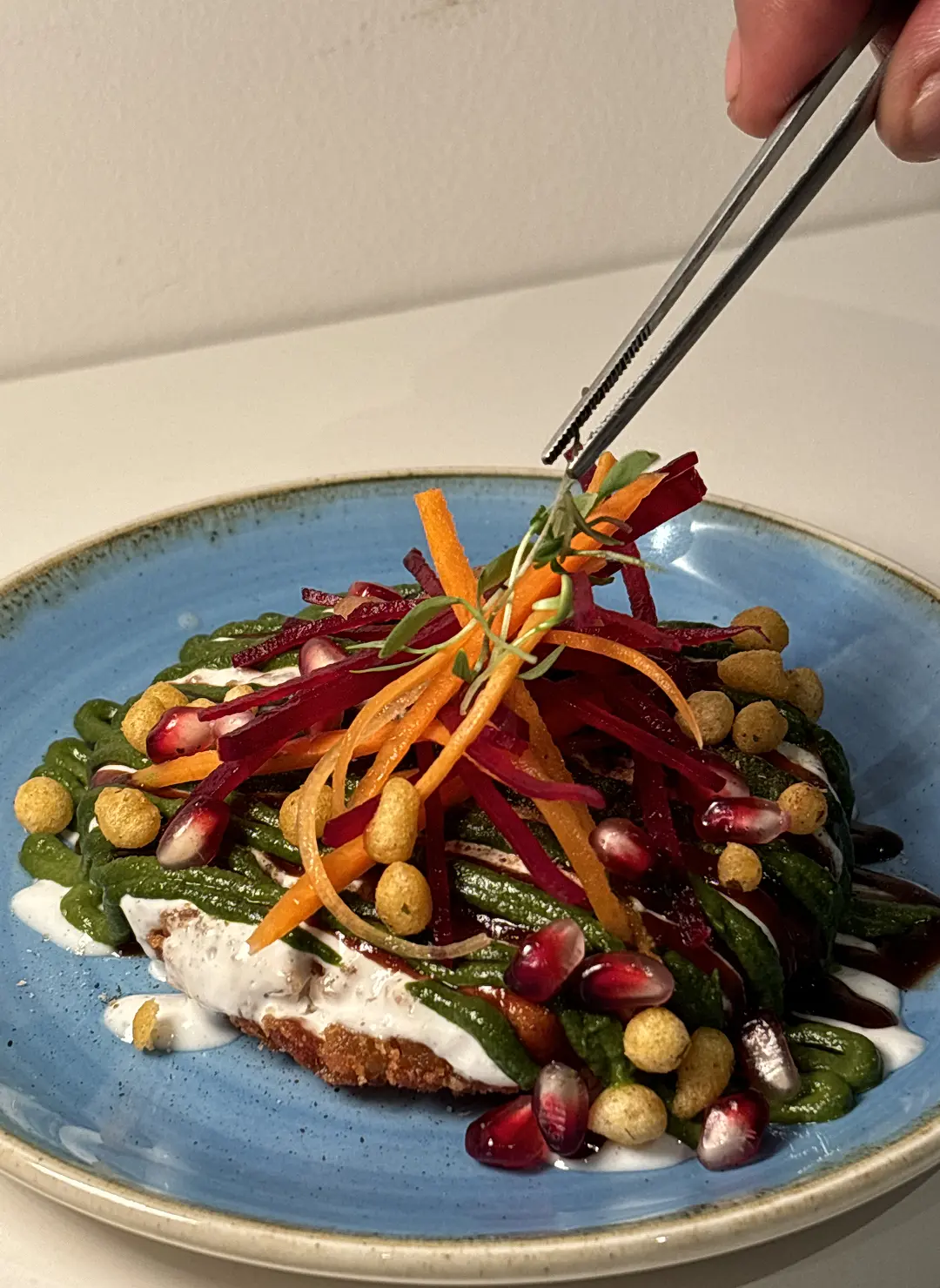
This tradition continues through dishes such as the Crossing Chaat Bowl and Dahi Puri, which embody the same spirit of discovery that travellers once experienced moving from station to station.
The Forgotten Art of Slow Food
One surprising lesson from railway cuisine is that many iconic dishes were never rushed.
While stations offered quick snacks, longer journeys also celebrated slow-cooked foods that improved over time. Lentils simmered for hours. Rice absorbed layers of aroma. Curries developed depth through patience.
Even today, some of the most expressive dishes on The Crossing’s menu follow this principle. The Yellow Dal Tadka, inspired by railway tiffin traditions, demonstrates how humble ingredients can achieve remarkable complexity through technique and time.
In an era obsessed with immediacy, these recipes remind us that flavour often rewards patience.
Why These Forgotten Dishes Matter Today
Modern Indian dining is often focused on a small collection of internationally recognised dishes. Yet India’s culinary story is far larger.
Railway food represents movement rather than geography. It reflects how recipes adapt, travel, and evolve without losing their identity. These dishes reveal a living cuisine shaped by migration, exchange, and everyday encounters.
That idea sits at the centre of The Crossing.
Chef Ankur has often described Indian food as migratory—a cuisine defined not by fixed borders but by journeys. The goal is not to recreate the past for nostalgia’s sake, but to understand how food continues to move, connect, and belong in new places.
More Than a Memory
The railway dishes that inspire The Crossing are not museum pieces.
They are reminders that great food rarely stands still. It travels with people. It absorbs new influences. It adapts while preserving something essential about where it came from.
Every bowl of chaat, every spoonful of dal, and every slow-braised curry carries traces of those journeys.
And in many ways, that is the story of Indian cuisine itself: a collection of crossings, still shaping the table today.


