
Table of Contents
- Introduction: Why Railway Lamb Curry Matters
- Indian Railways and the Birth of a Practical Cuisine
- Why Lamb Became Central to Railway Cooking
- The Structure of a True Railway Lamb Curry
- Spice, Restraint, and the Logic of Travel
- How Time, Not Heat, Defines the Dish
- From Railway Kitchens to Contemporary Tables
- The Crossing Nice: Railway Lamb Curry as Philosophy
- Why Railway Lamb Curry Defines the Best Indian Restaurant Experience
- Final Reflections: A Dish That Learned to Travel
Introduction: Why Railway Lamb Curry Matters
Some dishes explain a cuisine better than any manifesto. Railway Lamb Curry is one such preparation.
It was never designed to impress. It was designed to endure — to be cooked in advance, reheated gently, and eaten hours later without losing integrity.
For diners seeking the best Indian restaurant experiences in Nice, encountering Railway Lamb Curry prepared with understanding offers insight into Indian culinary intelligence. This dish reveals how restraint, timing, and empathy shape flavour more powerfully than intensity.
Railway Lamb Curry matters because it reflects how Indian food learned to move.

Indian Railways and the Birth of a Practical Cuisine
The expansion of Indian railways transformed not only travel, but food.
Journeys stretched across days. Meals needed to be prepared in advance, held warm, and served consistently to passengers from varied backgrounds.
Railway kitchens responded with discipline. Recipes were simplified. Spices were calibrated. Excess fat was avoided.
Food became functional without becoming bland. Comfort replaced spectacle.
This environment gave birth to a distinct culinary style — one that valued balance, durability, and generosity. Railway Lamb Curry emerged from this necessity.
Why Lamb Became Central to Railway Cooking
Lamb proved particularly suited to railway kitchens.
Unlike delicate proteins, lamb responded well to slow cooking. Over time, connective tissue softened, flavour deepened, and texture improved.
Lamb curries could be reheated without breaking structure. In fact, they often tasted better after resting.
This quality made lamb ideal for railway service, where meals needed to hold integrity across time and distance.
In Indian kitchens, lamb became synonymous with patience — a principle that remains central to the best Indian restaurant experiences today.
The Structure of a True Railway Lamb Curry
Railway Lamb Curry follows a precise logic.
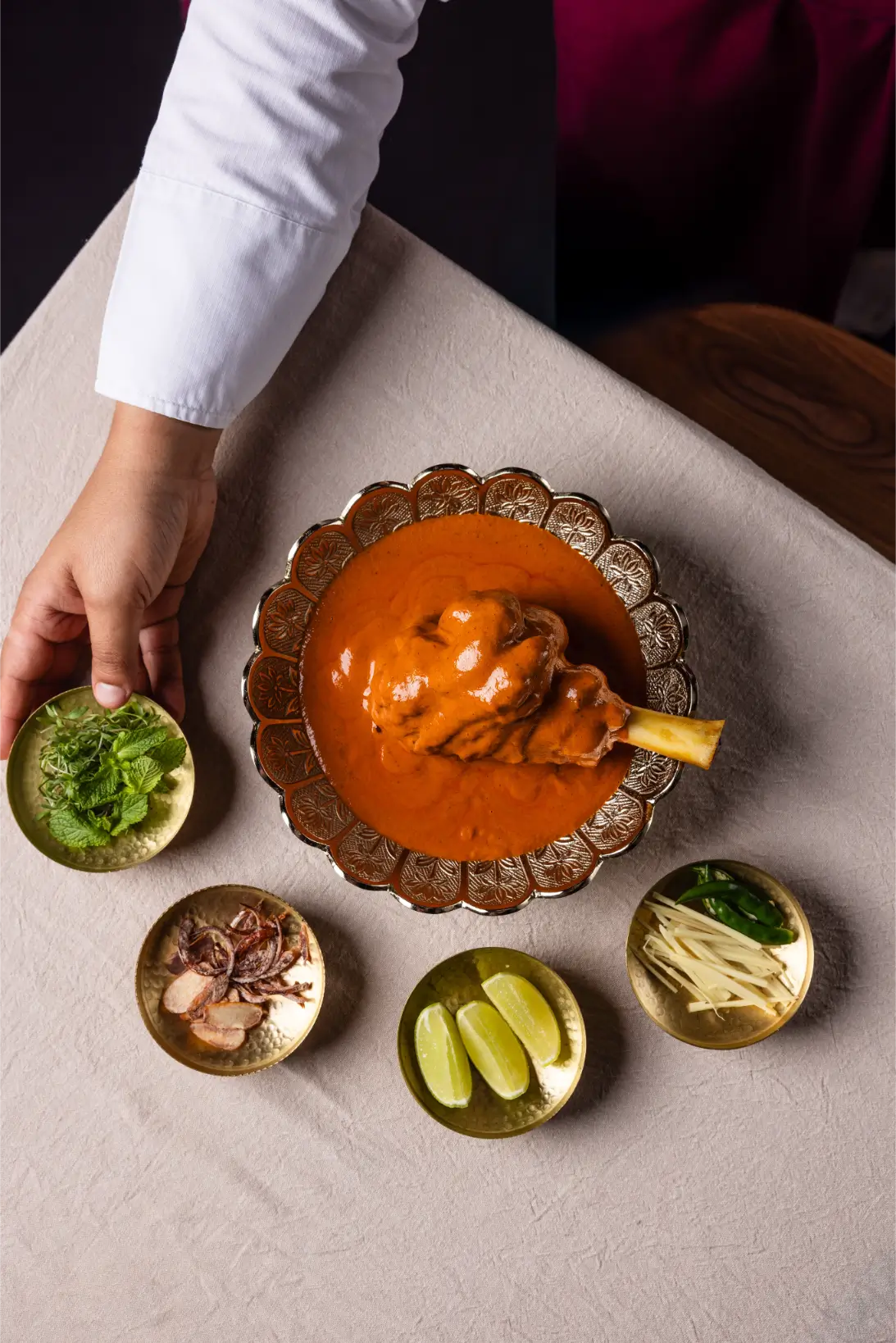
Onions are cooked slowly until sweet, not browned aggressively. Ginger and garlic provide foundation rather than dominance. Tomatoes add acidity without heaviness.
Spices are layered carefully. No single note leads. The goal is warmth and coherence.
The curry is finished with restraint. Oil surfaces lightly. Sauce clings rather than floods.
This structure allows the dish to travel — physically and culturally — without losing its character.
Spice, Restraint, and the Logic of Travel
Railway food needed to please many.
Heat was moderated. Aromatics were favoured. Spice supported digestion rather than challenged endurance.
This restraint ensured the dish remained accessible, repeatable, and comforting.
Railway Lamb Curry reflects this philosophy clearly. Its depth comes from time and balance, not aggression.
For diners accustomed to Mediterranean sensibilities, this approach feels intuitive — one reason the dish resonates so strongly in places like Nice.
How Time, Not Heat, Defines the Dish
Railway Lamb Curry is shaped by time more than temperature.
Low, steady cooking allows flavours to merge without losing identity. Lamb absorbs spice gradually. Sauce thickens naturally.
Rushing this process collapses the dish. Time is the primary ingredient.
This patience mirrors broader Indian culinary wisdom — that food meant to nourish should not be hurried.
The best Indian restaurant kitchens honour this principle, allowing dishes to settle before they are served.
From Railway Kitchens to Contemporary Tables
As railway travel evolved, so did the dish.
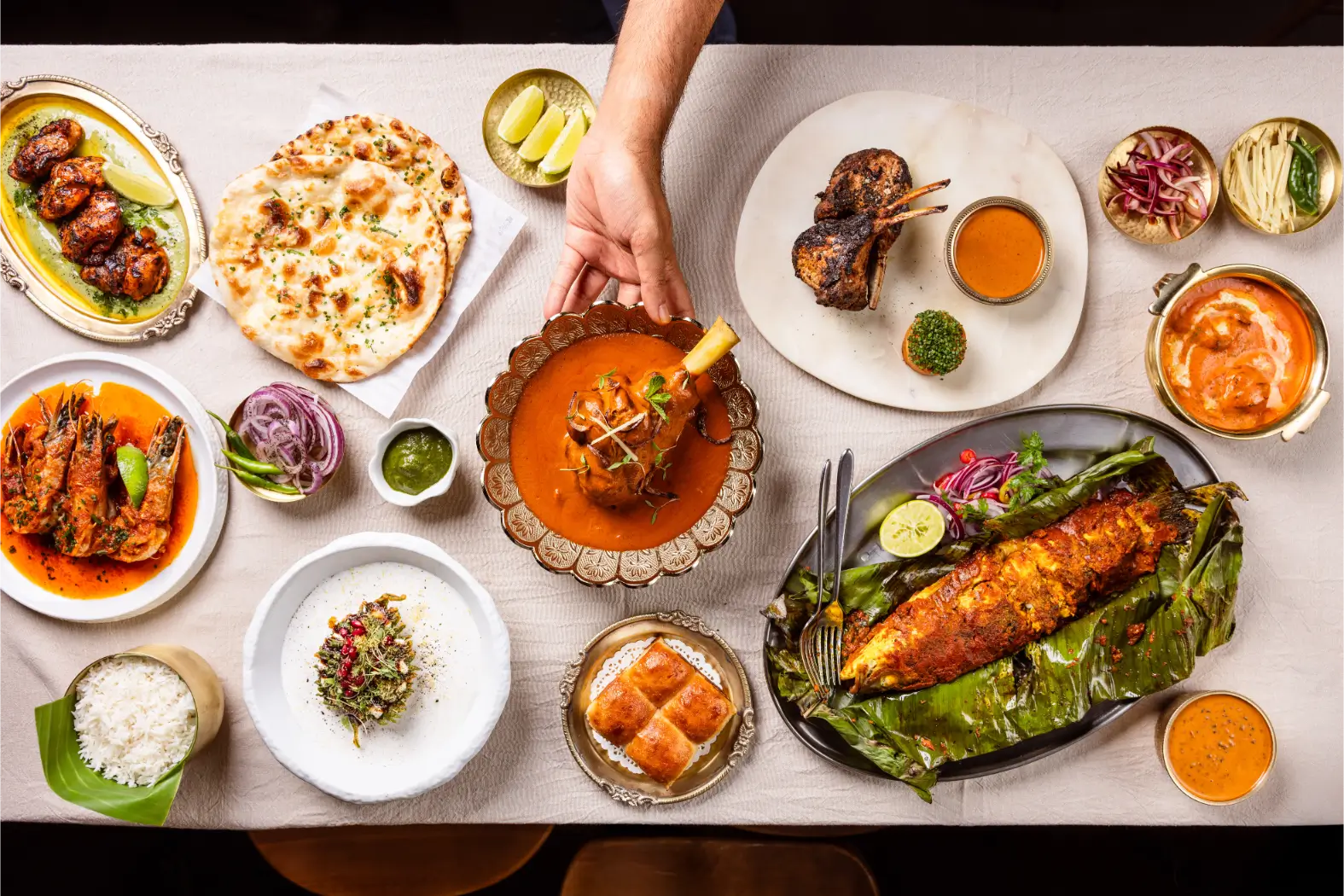
Railway Lamb Curry moved from compartments to homes, then into restaurants that understood its value.
Yet its essence remained unchanged. The dish resisted embellishment. It remained honest.
In contemporary dining rooms, Railway Lamb Curry now represents heritage without nostalgia — a dish that speaks softly but confidently.
The Crossing Nice: Railway Lamb Curry as Philosophy
At The Crossing Nice, Railway Lamb Curry is not treated as a special. It is treated as a reference point.
Inspired by India’s railway crossings — places defined by pause and passage — the restaurant approaches this dish with respect for its origins.
Under Chef Ankur Chakraborty’s leadership, the curry is cooked slowly, seasoned gently, and allowed to rest.
The result is a dish that feels composed and grounding — a clear expression of why The Crossing stands among the best Indian restaurant experiences in Nice.
Why Railway Lamb Curry Defines the Best Indian Restaurant Experience
Few dishes reveal a kitchen’s philosophy as clearly as Railway Lamb Curry.
It cannot be rushed. It cannot be masked.
A restaurant that executes this dish well demonstrates discipline, patience, and respect for the diner.
These qualities define the best Indian restaurant experiences — in Nice and beyond.

Final Reflections: A Dish That Learned to Travel
Railway Lamb Curry was born in motion.
It learned to wait, to endure, and to comfort.
Today, when served with understanding, it carries this history to the table.
For diners seeking depth rather than display, Railway Lamb Curry offers more than flavour. It offers a story — one shaped by time, travel, and quiet confidence.


