

Table of Contents
- Introduction: Why Nice Is a City That Rewards Culinary Curiosity
- The Mediterranean Mindset: Balance, Seasonality, and Ease
- Indian Cuisine as a Natural Counterpart to Mediterranean Food
- Parisian Influence and the Refinement of Indian Dining in the South
- Where Indian Meets Mediterranean on the Riviera Table
- The Crossing Nice: A Place Where Two Food Cultures Align
- Final Reflections: Eating in Nice as Discovery, Not Comparison
Introduction: Why Nice Is a City That Rewards Culinary Curiosity
Nice has never been a city that rushes its meals. Days unfold slowly, shaped by sun, sea air, and long walks that naturally sharpen appetite. Food here is not consumed simply to satisfy hunger, but to support a way of living that values rhythm and presence.
For food lovers, this creates opportunity. While Niçoise classics anchor the local identity, Nice’s dining culture has always been open to influence. Its port history, proximity to Italy, and cosmopolitan population encourage exploration beyond tradition.
Indian cuisine enters this landscape not as an outsider, but as a complementary voice. When approached with restraint and intelligence, it echoes the Mediterranean’s focus on balance and generosity. This is why discovering where Indian meets Mediterranean becomes one of the most rewarding culinary journeys Nice has to offer.

The Mediterranean Mindset: Balance, Seasonality, and Ease
Mediterranean cuisine is defined less by recipes than by philosophy. It prioritises freshness, seasonality, and clarity of flavour. Ingredients are allowed to speak, and meals are structured to sustain rather than exhaust.
In Nice, this mindset is visible everywhere — in the reliance on vegetables, olive oil, seafood, and light proteins, as well as in the pacing of meals. Lunches are unhurried, dinners are social, and excess is rarely celebrated.
This sensibility shapes how diners receive other cuisines. Food that feels heavy or aggressive struggles to find a place. Food that respects balance, however, integrates seamlessly. It is within this framework that Indian cuisine, often misunderstood elsewhere, reveals its natural compatibility with Mediterranean dining.
Indian Cuisine as a Natural Counterpart to Mediterranean Food
Indian cuisine, at its core, is built around everyday nourishment. Long before restaurant dining, it evolved to support work, travel, and shared living.
Rice, lentils, vegetables, yogurt, seafood, and carefully layered spice form the foundation of countless regional meals. These elements prioritise digestion, warmth, and sustained energy — values that align closely with Mediterranean principles.
Spice in Indian cooking functions much like herbs in Mediterranean food. It is used to create harmony rather than dominance. Heat is balanced with acidity, fat, and freshness.
For food lovers in Nice, this shared logic explains why Indian food can feel surprisingly at home on the Riviera. When cooked with restraint, it offers comfort without heaviness and depth without fatigue.
Parisian Influence and the Refinement of Indian Dining in the South
Paris has played a significant role in shaping how Indian cuisine is understood in France. Over time, the city encouraged Indian kitchens to refine presentation, calibrate spice, and foreground technique.
This Parisian influence travelled south. In Nice, where diners value clarity and elegance, Indian cuisine benefited from this editorial lens. Excess was removed. Balance became central. Dishes were allowed to breathe.
The result is Indian dining that feels composed rather than performative. Flavours unfold gradually. Portions feel intentional. The experience aligns with the Riviera’s lifestyle-driven expectations.
For food lovers accustomed to both Parisian refinement and Mediterranean ease, this evolution makes Indian cuisine not just acceptable, but desirable.

Where Indian Meets Mediterranean on the Riviera Table
The meeting point between Indian and Mediterranean cuisine is not fusion, but alignment.
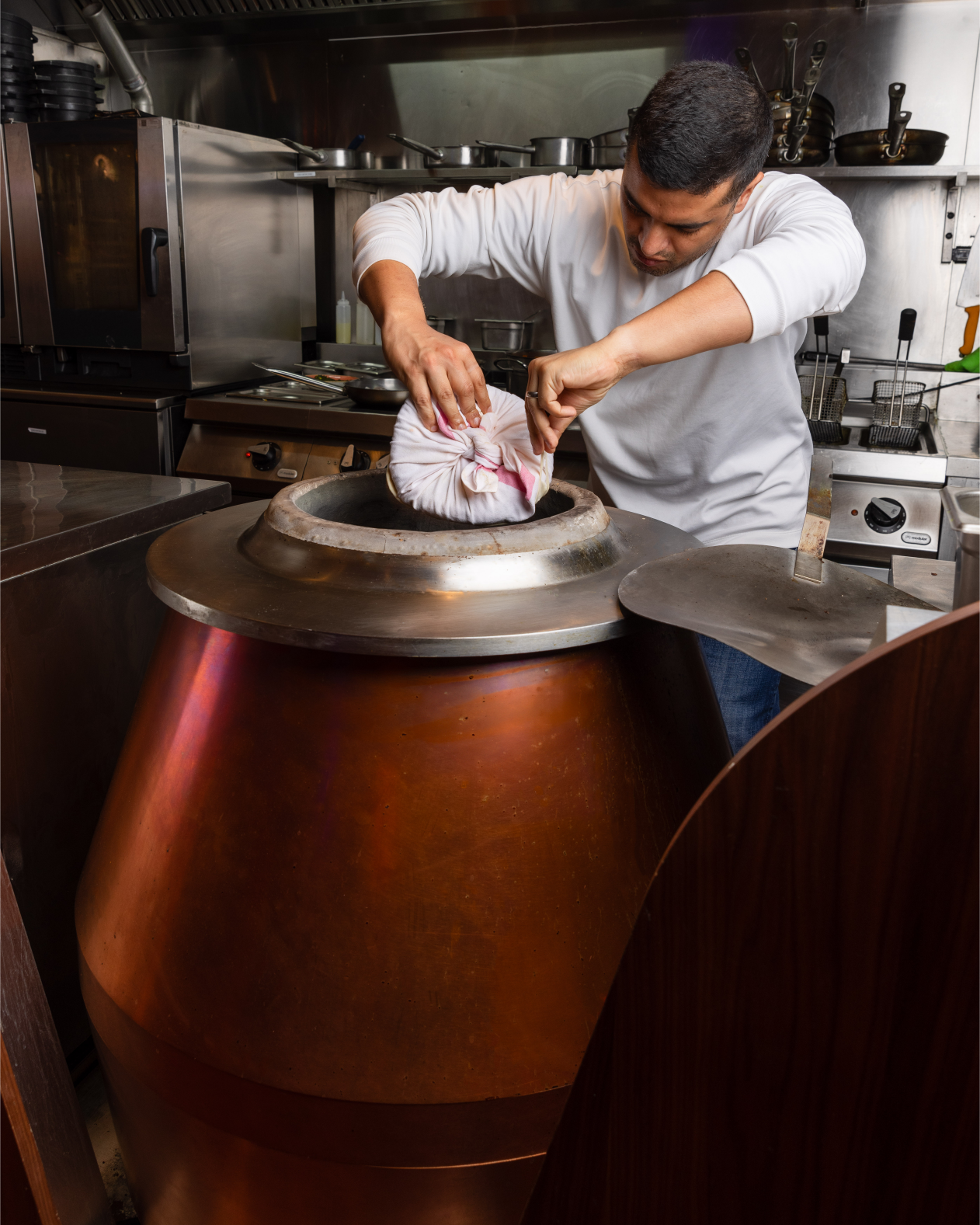
Coastal Indian dishes echo Mediterranean seafood traditions through their use of acidity, coconut, and gentle spice. Grilled preparations find common ground in fire-driven cooking. Yogurt-based marinades mirror the region’s love of freshness and balance.
Meals are structured for sharing, encouraging conversation and pause — a hallmark of Riviera dining. Spice becomes a companion to the meal rather than its focus.
For food lovers, this convergence offers a deeper understanding of both cuisines. Indian food reveals its subtlety, while Mediterranean dining gains warmth and aromatic depth.
The Crossing Nice: A Place Where Two Food Cultures Align
At The Crossing Nice, this meeting of Indian and Mediterranean sensibilities is expressed with quiet confidence.
Inspired by India’s railway culture — where food needed to comfort travellers in motion — the restaurant approaches Indian cuisine as something meant to restore and ground. Dishes are shaped by patience and balance rather than intensity.
Located on the Riviera, The Crossing benefits naturally from Mediterranean rhythm. Light, openness, and ease define the dining experience, allowing Indian flavours to unfold without pressure.
Under Chef Ankur Chakraborty’s guidance, the cuisine reflects this alignment. Spice is aromatic, portions are considered, and meals feel composed. This coherence places The Crossing among the best Indian restaurant experiences in Nice for food lovers seeking connection rather than contrast.
Final Reflections: Eating in Nice as Discovery, Not Comparison
Nice rewards those who eat with curiosity rather than expectation.
For food lovers, discovering where Indian meets Mediterranean is not about choosing one cuisine over another. It is about understanding how different food cultures speak the same language of balance, generosity, and care.
Indian cuisine, when presented with restraint and confidence, belongs naturally on the Riviera table. It complements the Mediterranean way of eating without competing with it.
At places like The Crossing Nice, this dialogue becomes tangible. Meals feel grounded, global, and quietly satisfying — reminding diners that the best restaurant experiences are often found at the intersection of cultures, not at their edges.


