

Table of Contents
- Introduction: When Spices Learned to Travel Daily
- Indian Railways as Culinary Arteries
- Spices as Passengers, Not Commodities
- Platform Food and the Democratization of Flavour
- How Railway Routes Shaped Regional Spice Profiles
- The Birth of Railway Kitchens and Practical Spice Use
- Parisian Restraint and the Reinterpretation of Spice
- From Indian Trains to Riviera Tables
- The Crossing Nice: Railway Routes as Culinary Philosophy
- Why Spice Travel Defines the Best Indian Restaurant Experience
- Final Reflections: Flavour That Moves and Returns
Introduction: When Spices Learned to Travel Daily
Spices are often associated with distant trade, colonial routes, and global exchange. Yet within India, their most transformative journeys were domestic. They travelled not in caravans, but in tiffin boxes, cloth bundles, and steel containers aboard trains.
Indian railways changed how food moved. They compressed geography, turning regional ingredients into shared experience. Spices learned to travel daily, adapting to new kitchens and unfamiliar palates.
For food lovers seeking the best Indian restaurant experiences in Nice, this history offers insight into why Indian cuisine feels inherently mobile — confident enough to belong anywhere, yet rooted enough to remain itself.
Indian Railways as Culinary Arteries
When railway lines expanded across India, they did more than connect cities. They connected cooking styles.
Trains carried workers, traders, families, and soldiers — each with food prepared at home. Spices moved alongside people, crossing linguistic and cultural boundaries.
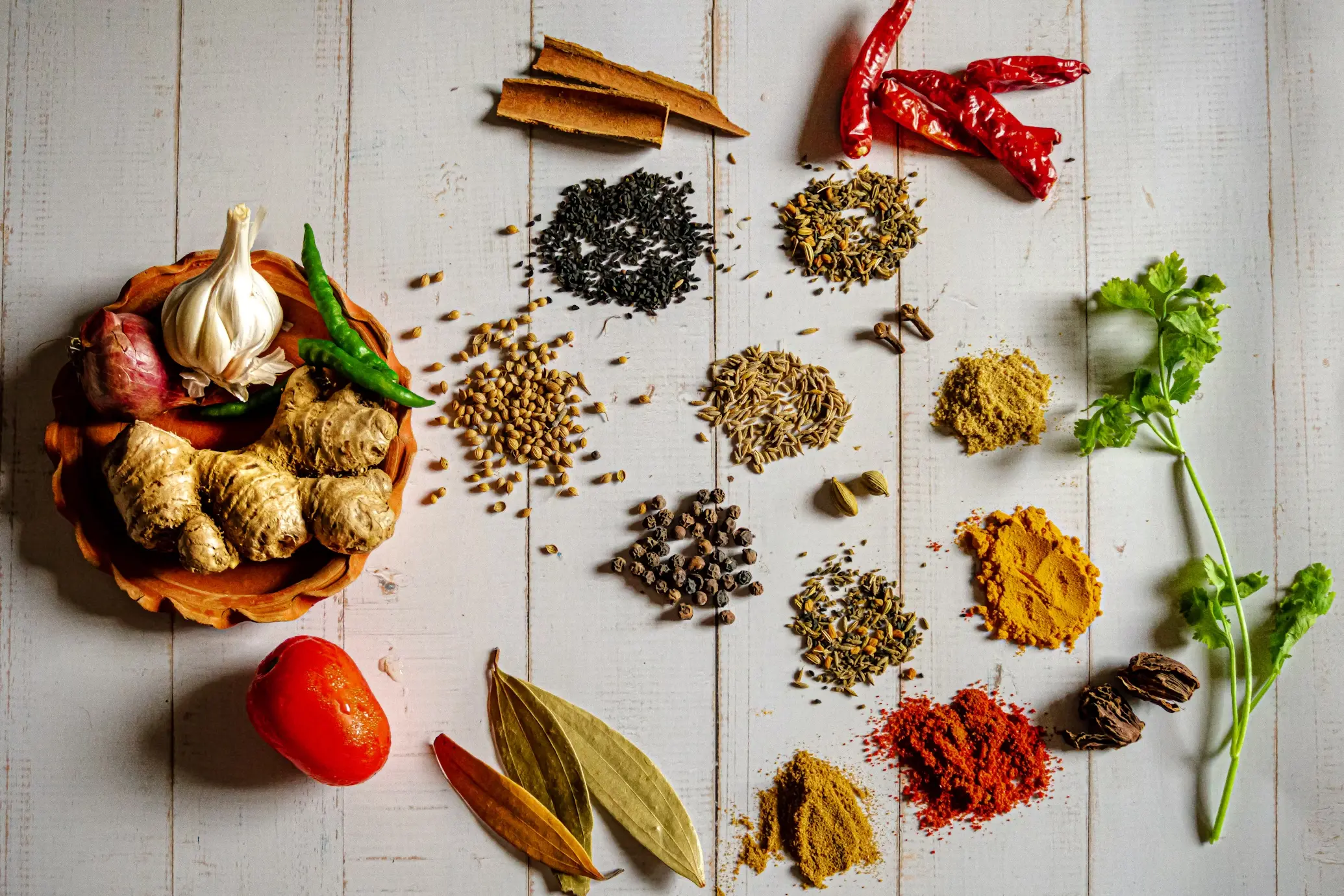
Turmeric from the south appeared in northern kitchens. Mustard from the east travelled west. Pepper and cardamom found new uses far from their origins.
These railway routes became culinary arteries, circulating flavour throughout the country and creating a shared understanding of spice.
Spices as Passengers, Not Commodities
Unlike export spices destined for global markets, railway spices travelled with intention.
They were measured, familiar, and personal. A mother packed what she knew her child would recognise. A vendor cooked what would comfort travellers.
This everyday movement softened regional edges. Spices were adjusted, combined, and simplified to suit unfamiliar contexts.
Indian cuisine evolved through these small adaptations — a process that continues to define the best Indian restaurant kitchens today.
Platform Food and the Democratization of Flavour
Railway platforms became spaces of exchange.
Vendors cooked quickly, using spices that travelled well and pleased many. Dishes needed warmth, digestibility, and consistency.
Masalas were streamlined. Heat was controlled. Aromatics were favoured over aggression.
This platform cuisine introduced millions to flavours beyond their home regions, democratizing taste and creating a national palate shaped by movement.

How Railway Routes Shaped Regional Spice Profiles
As spices moved along railway lines, they influenced regional cooking in subtle ways.
Northern kitchens adopted southern tempering techniques. Eastern mustard found its way into western seafood preparations. Pepper replaced chili in certain contexts.
These shifts did not erase regional identity. They refined it.
Railway routes encouraged dialogue rather than dominance — a principle reflected in Indian cuisine when it is presented with clarity and respect.
The Birth of Railway Kitchens and Practical Spice Use
Railway kitchens demanded precision.
Food needed to be reheated without losing balance. Spices were chosen for stability rather than intensity.
This necessity produced a style of cooking that valued restraint, timing, and proportion.
Many dishes now considered classics — including railway curries — were shaped by these constraints, proving that limitation can deepen flavour rather than diminish it.
Parisian Restraint and the Reinterpretation of Spice
Parisian dining culture later offered a parallel lesson.
Spice, like seasoning, is most effective when it supports rather than overwhelms. This restraint mirrors railway logic — flavour adapted for shared experience.
In France, Indian cuisine gained clarity through this lens. Spices were appreciated for aroma, not excess.
For diners in Nice, this understanding aligns naturally with Riviera expectations of balance and ease.

From Indian Trains to Riviera Tables
The Riviera rewards food that travels well.
Indian cuisine shaped by railway culture fits this requirement. It restores rather than exhausts, warms rather than overwhelms.
Spices that learned to move across India now find comfort along the Mediterranean — aromatic, confident, and calm.
This continuity explains why Indian dining resonates so naturally on the coast.
The Crossing Nice: Railway Routes as Culinary Philosophy
At The Crossing Nice, railway culture is more than metaphor.
Inspired by crossings where journeys intersect briefly, the restaurant treats Indian cuisine as something shaped by movement and pause.
Spices are used with discipline. Dishes respect origin while embracing context.
Under Chef Ankur Chakraborty’s guidance, this philosophy places The Crossing among the best Indian restaurant experiences in Nice — grounded, adaptable, and quietly assured.
Why Spice Travel Defines the Best Indian Restaurant Experience
Spices that travel teach kitchens how to listen.
They demand balance, adaptability, and respect for unfamiliar diners.
The best Indian restaurant experiences embody this lesson. They present spice as invitation rather than challenge.
Railway routes taught India how to cook for everyone. That knowledge continues to guide Indian cuisine wherever it travels.

Final Reflections: Flavour That Moves and Returns
Indian spices did not lose identity by travelling. They gained understanding.
Railway routes taught flavour to adapt without dissolving.
At The Crossing Indian Bistro in Nice, this legacy is felt in dishes that move easily between cultures — confident, composed, and rooted.
Because the most enduring cuisines are not fixed. They travel, return, and remain recognisably themselves.


