

Table of Contents
- Introduction: Hospitality Learned in Motion
- Indian Railways as Cultural Corridors
- The Platform Pause: Where Hospitality Emerges
- Food as Care, Not Ceremony
- How Railway Culture Shaped Everyday Indian Dining
- Parisian Restraint and the Language of Quiet Welcome
- The Crossing Indian Bistro: Hospitality in Practice
- Why This Philosophy Defines the Best Indian Restaurant Experience
- Final Reflections: Welcome That Travels With You
Introduction: Hospitality Learned in Motion
Indian hospitality did not evolve in drawing rooms or formal dining halls. It was learned in motion — on roads, in stations, and aboard trains where journeys stretched across hours and days. Hospitality here was not rehearsed; it was necessary.
On long railway journeys, strangers shared space, time, and often food. These encounters shaped a collective understanding of care that was practical, immediate, and unspoken. One did not ask for context before offering comfort.
For food lovers seeking the best Indian restaurant experiences in Nice, this philosophy still resonates. Hospitality is felt in rhythm and awareness, not ceremony. It is sensed in how a meal unfolds rather than how it is introduced.
Indian Railways as Cultural Corridors
India’s railways are among the largest human networks ever created, but their cultural impact outweighs their scale. They stitched together regions with distinct languages, climates, and cuisines, allowing habits and flavours to travel freely.
Food moved constantly along these routes. Vendors adapted recipes to ingredients found near each station. Home-cooked meals were exchanged between families and fellow travellers. Over time, hospitality became fluid — generous by instinct, not obligation.
This culture of openness shaped how Indians understand welcome. It was informal, inclusive, and immediate. These values remain deeply embedded in Indian dining, especially in restaurants that prioritise feeling over form.
The Platform Pause: Where Hospitality Emerges
Platforms are places of waiting and uncertainty. Trains arrive late. Journeys are interrupted. In these pauses, hospitality finds its most human expression.
A cup of chai offered through a window, a shared snack while waiting for a delayed train — these gestures are small, yet profoundly grounding. They acknowledge the moment without trying to control it.
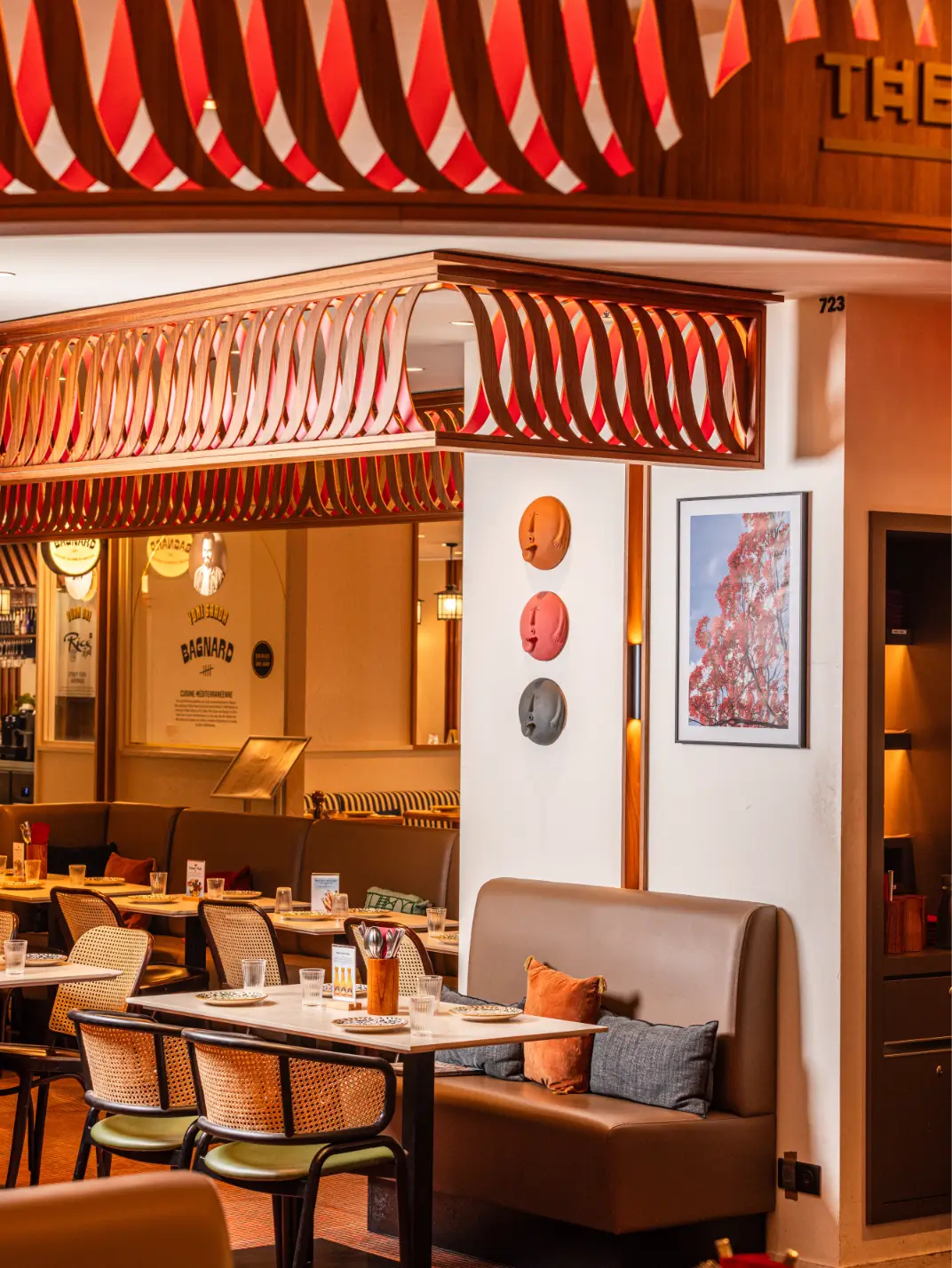
This idea of the pause carries into Indian dining philosophy. Meals are not rushed. Service reads the table. Hospitality emerges naturally when space is allowed. For diners in Nice, accustomed to meals shaped by time and light, this sensibility feels instinctively right.
Food as Care, Not Ceremony
Railway food was never about performance. It existed to comfort and sustain.
Dishes were designed to travel well, hold warmth, and nourish without excess. Spices were chosen to aid digestion. Portions were generous but balanced. The goal was reassurance, not indulgence.
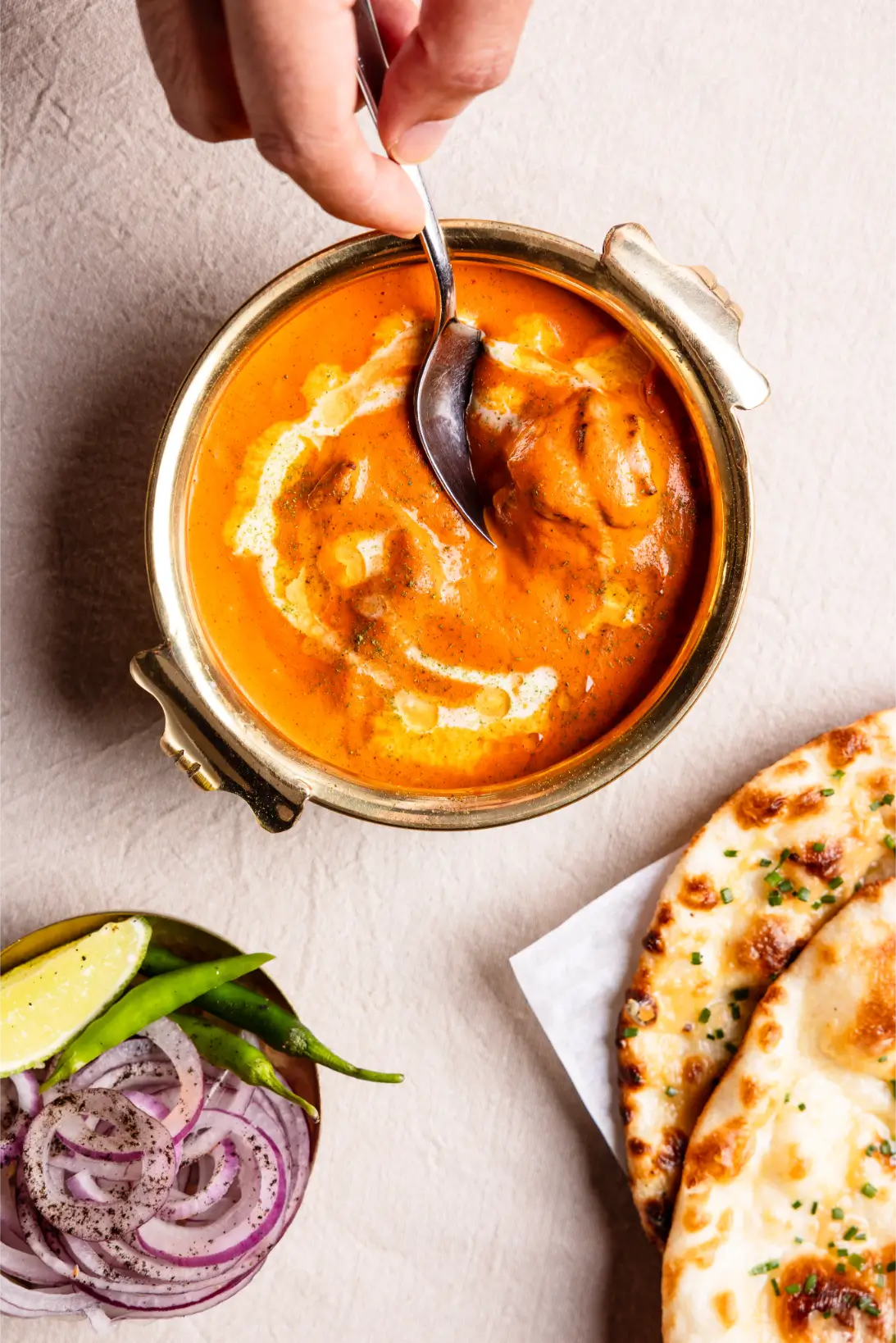
This practical generosity shaped everyday Indian cooking. When Indian cuisine is approached through this lens, it feels grounding and familiar — particularly appealing to food lovers seeking restorative meals rather than dramatic ones.
How Railway Culture Shaped Everyday Indian Dining
The railway normalised sharing across social boundaries. Food became a bridge rather than a marker of identity.
Meals were structured to be eaten together, passed around, and revisited. Hospitality meant making space rather than asserting status. These habits translated naturally into home dining and, later, into restaurants.
The best Indian restaurant experiences still carry this spirit. They encourage sharing, pacing, and return. They feel welcoming without explanation, generous without display.
Parisian Restraint and the Language of Quiet Welcome
French dining culture, particularly in Paris, approaches hospitality with discretion. Care is expressed through timing, proportion, and confidence rather than overt warmth.
When Indian hospitality meets Parisian restraint, generosity becomes quieter but no less sincere. The welcome is felt in how seamlessly the experience unfolds.
In Nice, this fusion feels especially natural. The Riviera values ease. Indian hospitality, shaped by railway culture, adapts beautifully when guided by clarity and calm.
The Crossing Indian Bistro: Hospitality in Practice
At The Crossing Indian Bistro, hospitality is designed as a feeling rather than a script.
Inspired by India’s railway crossings — moments where journeys intersect briefly — the restaurant embraces pause over performance. Under Chef Ankur Chakraborty’s leadership, service mirrors the kitchen’s philosophy: attentive, unforced, and confident.
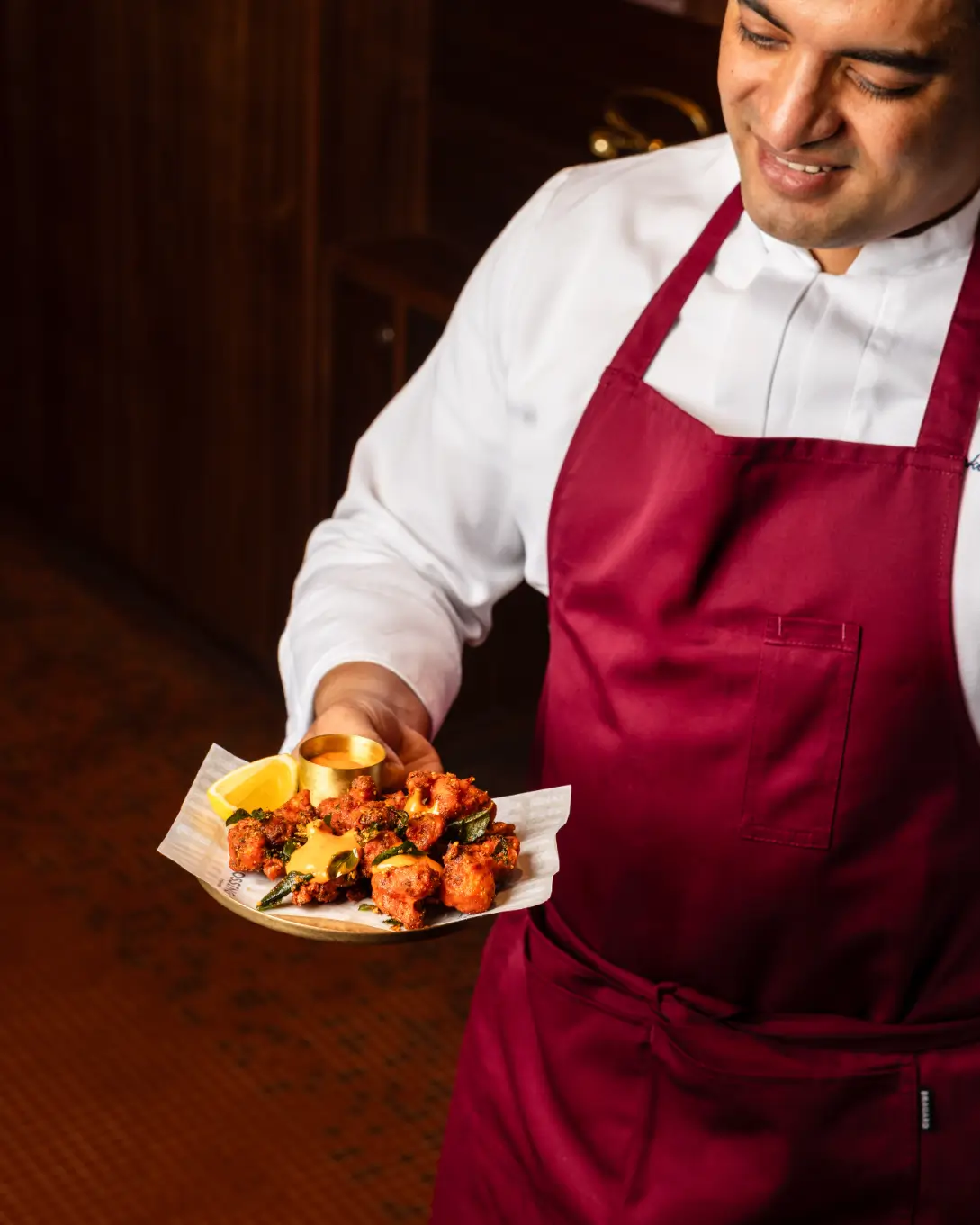
Guests are encouraged to settle in. Meals unfold with rhythm. Familiarity grows with return. This approach places The Crossing among the best Indian restaurant experiences in Nice, defined not by spectacle but by comfort and trust.
Why This Philosophy Defines the Best Indian Restaurant Experience
Hospitality is often misunderstood as attentiveness alone. In reality, it is awareness.
The best Indian restaurant experiences understand when to step forward and when to step back. They recognise that true welcome adapts to the guest.
Railway culture taught India this balance. It proved that generosity does not need explanation, and care does not need ceremony.
Final Reflections: Welcome That Travels With You
Indian hospitality, shaped by railways, was designed to move. It adjusted to context, moment, and need.
At The Crossing Indian Bistro in Nice, this philosophy finds contemporary expression. Influenced by Parisian refinement and embraced by Riviera rhythm, hospitality is felt in pacing, pause, and generosity.
For food lovers seeking the best Indian restaurant experiences, this understanding matters. Because the most meaningful welcomes are not staged — they travel with you, long after the journey continues.


