

Table of Contents
- Introduction: When a Menu Becomes a Journey
- Indian Cuisine as Movement, Not Destination
- Why Our Menus Are Structured Like a Passage, Not a Performance
- Regional Memory and the Quiet Power of Storytelling
- Parisian Influence: Editing, Clarity, and Discipline
- The Riviera Context: How Place Shapes the Journey
- Small Plates, Mains, and the Logic of Progression
- Repetition, Return, and the Meaning of Consistency
- The Crossing Nice: A Culinary Journey in Practice
- Final Reflections: When Eating Feels Like Travel
Introduction: When a Menu Becomes a Journey
Menus are often treated as inventories — collections of dishes designed to offer choice. Yet for food lovers who eat with intention, a menu can be something more meaningful. It can suggest rhythm, direction, and progression.
At the best Indian restaurant experiences in Nice, the menu does not overwhelm. It guides. It allows diners to move through flavours gradually, building understanding rather than demanding attention.
At The Crossing Indian Bistro, the idea of a culinary journey is not metaphorical. It reflects a belief that Indian cuisine reveals itself best through movement — one dish leading naturally to the next, shaped by memory and restraint.

Indian Cuisine as Movement, Not Destination
Indian cuisine has never been static. Long before it was served in restaurants, it travelled with people — across states, climates, and borders.
Spices shifted as ingredients changed. Techniques adapted to local conditions. Dishes evolved through repetition rather than reinvention.
This understanding sits at the heart of The Crossing’s menu philosophy. Rather than presenting Indian cuisine as a definitive statement, the menu reflects passage. Each dish is a moment along a longer route, connected by logic rather than spectacle.
For diners in Nice, this approach allows Indian food to feel familiar yet exploratory — a hallmark of the best restaurant experiences.
Why Our Menus Are Structured Like a Passage, Not a Performance
Many menus are designed for impact. They aim to impress quickly.
At The Crossing, structure matters more than display. The menu is composed to encourage flow — from lighter beginnings to deeper flavours, from texture-driven dishes to those shaped by time.
This progression mirrors how Indian meals are traditionally eaten, and how journeys unfold. There is an entry point, a middle where depth emerges, and a sense of return.
For food lovers, this structure creates comfort. It allows exploration without uncertainty, reinforcing trust — a defining quality of the best Indian restaurant dining in Nice.

Regional Memory and the Quiet Power of Storytelling
Each dish on the menu carries a regional memory. Not as a footnote, but as a foundation.
These memories are not presented loudly. They are embedded in technique, spice choice, and balance. A curry reflects the rhythm of railway kitchens. A grill dish recalls roadside fires. Lentils speak of repetition and care.
By allowing these stories to exist quietly, the menu avoids nostalgia for its own sake. Instead, it offers authenticity through clarity — a journey guided by understanding rather than explanation.
Parisian Influence: Editing, Clarity, and Discipline
Paris has shaped how global cuisines find expression in France. Over time, Indian dining in Paris moved away from excess toward discipline.
This influence is evident in how The Crossing edits its menu. Fewer dishes, chosen carefully. Clear flavour profiles. Techniques that prioritise balance over intensity.
For diners in Nice — many of whom move fluidly between Paris and the Riviera — this approach feels intuitive. The menu speaks the same language of restraint and confidence that defines the city’s most respected dining rooms.
The Riviera Context: How Place Shapes the Journey
Nice brings its own rhythm to dining. Sunlight, sea air, and movement shape appetite.
A culinary journey here cannot feel heavy or rigid. It must allow space. Indian cuisine, when presented with awareness, adapts naturally to this environment.
The Crossing’s menu reflects this sensitivity. Dishes are chosen not only for flavour, but for how they feel over time — warming rather than exhausting, grounding rather than indulgent.
This alignment allows the menu to feel at home on the Riviera, reinforcing its place among the best Indian restaurants in Nice.
Small Plates, Mains, and the Logic of Progression
The journey begins in small ways.
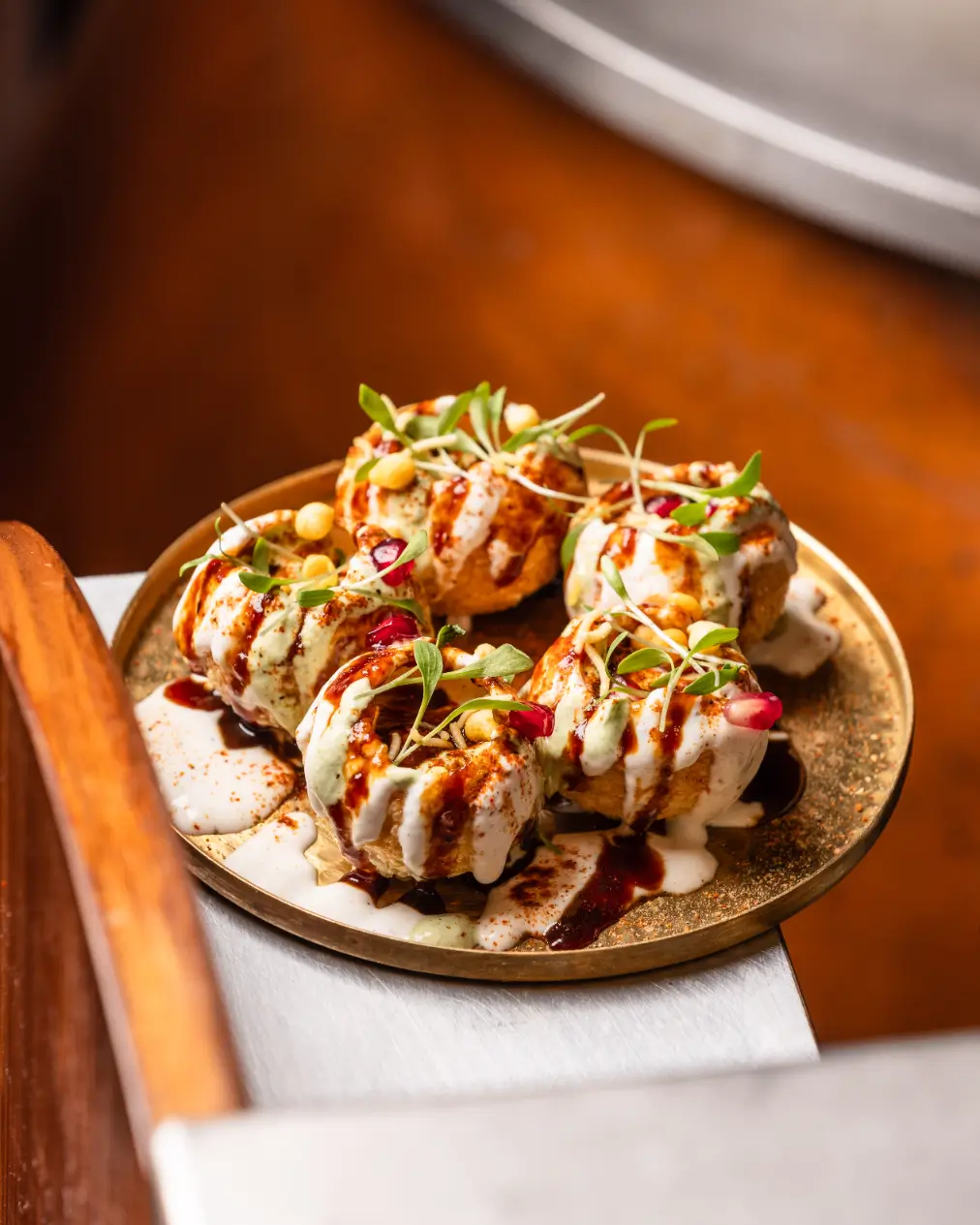
Small plates introduce contrast and texture. Acidity, crunch, and gentle heat prepare the palate. These dishes invite curiosity rather than commitment.
Mains deepen the experience. Slow-cooked curries, grills, and rice dishes reflect time and patience. Flavours unfold rather than peak.
Together, these elements create progression. The meal feels coherent, not fragmented — a key marker of a true culinary journey.
Repetition, Return, and the Meaning of Consistency
Journeys are rarely about novelty alone. They are about return.
At The Crossing, consistency is intentional. Dishes remain because they earn trust. Repetition allows refinement. Each visit deepens familiarity.
For food lovers, this reliability transforms dining into ritual. The menu becomes something to revisit rather than conquer — a subtle but powerful distinction that defines the best restaurant experiences.
The Crossing Nice: A Culinary Journey in Practice
Located at CAP3000, overlooking the Mediterranean, The Crossing Nice offers a menu shaped by movement and pause.
Inspired by India’s railway crossings — places where journeys intersect briefly — the restaurant presents Indian cuisine as something designed to travel, adapt, and belong.
Under Chef Ankur Chakraborty’s guidance, the menu prioritises editing over invention. Technique, time, and restraint do the work. The result is a dining experience that feels calm, assured, and complete.

Final Reflections: When Eating Feels Like Travel
A true culinary journey does not demand attention. It invites it.
At the best Indian restaurant tables in Nice, menus are not lists. They are pathways — shaped by memory, place, and intention.
At The Crossing Indian Bistro, this philosophy allows diners to experience Indian cuisine not as something to decode, but as something to move through.
Because when food is guided by journey rather than display, eating becomes a form of travel in itself.


