
Table of Contents
- Introduction: Indian Food Is Meant to Be Experienced, Not Rushed
- Indian Dining Culture and the Role of Environment
- How Ambience Shapes Appetite, Pace, and Perception
- Why Indian Cuisine Suffers in the Wrong Setting
- Parisian Restraint, Riviera Ease, and the Modern Indian Dining Room
- The Crossing Nice: Ambience as an Extension of Cuisine
- Why Ambience Defines the Best Indian Restaurant Experience
- Final Reflections: When Space Allows Flavour to Speak
Introduction: Indian Food Is Meant to Be Experienced, Not Rushed
Indian food does not reveal itself immediately. Its flavours are layered, its textures deliberate, its warmth gradual. This nature demands time.
Yet too often, Indian cuisine is consumed in spaces that encourage speed rather than presence. Loud rooms, harsh lighting, and compressed seating flatten the experience, reducing complex food to surface sensation.
For diners seeking the best Indian restaurant experiences in Nice, ambience becomes essential. It determines whether a meal feels nourishing or merely filling. Indian food asks for an environment that allows it to unfold.

Indian Dining Culture and the Role of Environment
Traditionally, Indian meals were rarely eaten in isolation. They unfolded in courtyards, family rooms, railway compartments, and shared spaces where conversation and time moved freely.
The environment was never neutral. It provided comfort, shade, and a sense of belonging. Meals were structured around togetherness rather than efficiency.
This cultural context explains why Indian food feels incomplete when stripped of atmosphere. The cuisine evolved alongside spaces that encouraged lingering, sharing, and repetition.
When modern Indian dining honours this relationship between food and environment, it restores the cuisine’s original rhythm.
How Ambience Shapes Appetite, Pace, and Perception
Ambience influences how the body responds to food.
Soft lighting slows perception. Comfortable seating encourages longer meals. Controlled sound allows conversation to coexist with flavour.
Indian cuisine, with its layered spice and gradual warmth, benefits profoundly from this calm. Diners notice nuance. Heat feels integrated rather than aggressive. Richness feels balanced rather than heavy.
In the best Indian restaurant environments, ambience works invisibly. It does not distract, but it guides — allowing appetite and attention to align.
Why Indian Cuisine Suffers in the Wrong Setting
When Indian food is served in hurried or overly theatrical spaces, it often feels misrepresented.
Excess noise amplifies heat. Bright lighting sharpens spice. Tight tables accelerate eating.
The result is fatigue rather than satisfaction. Diners may leave believing the food was heavy or overwhelming, when in truth the setting distorted the experience.
This misunderstanding has long shaped misconceptions around Indian cuisine. Correcting it requires as much attention to space as to seasoning.

Parisian Restraint, Riviera Ease, and the Modern Indian Dining Room
Parisian dining culture offers an important lesson: restraint enhances pleasure.
Spaces are designed to support conversation and pacing. Light is considered. Sound is controlled. The room serves the meal.
When this sensibility meets Riviera ease — openness, natural light, and unforced comfort — the result is an ideal setting for Indian cuisine.
In Nice, this combination feels especially relevant. Indian food presented in a calm, composed environment aligns naturally with the city’s lifestyle-driven dining culture.
The Crossing Nice: Ambience as an Extension of Cuisine
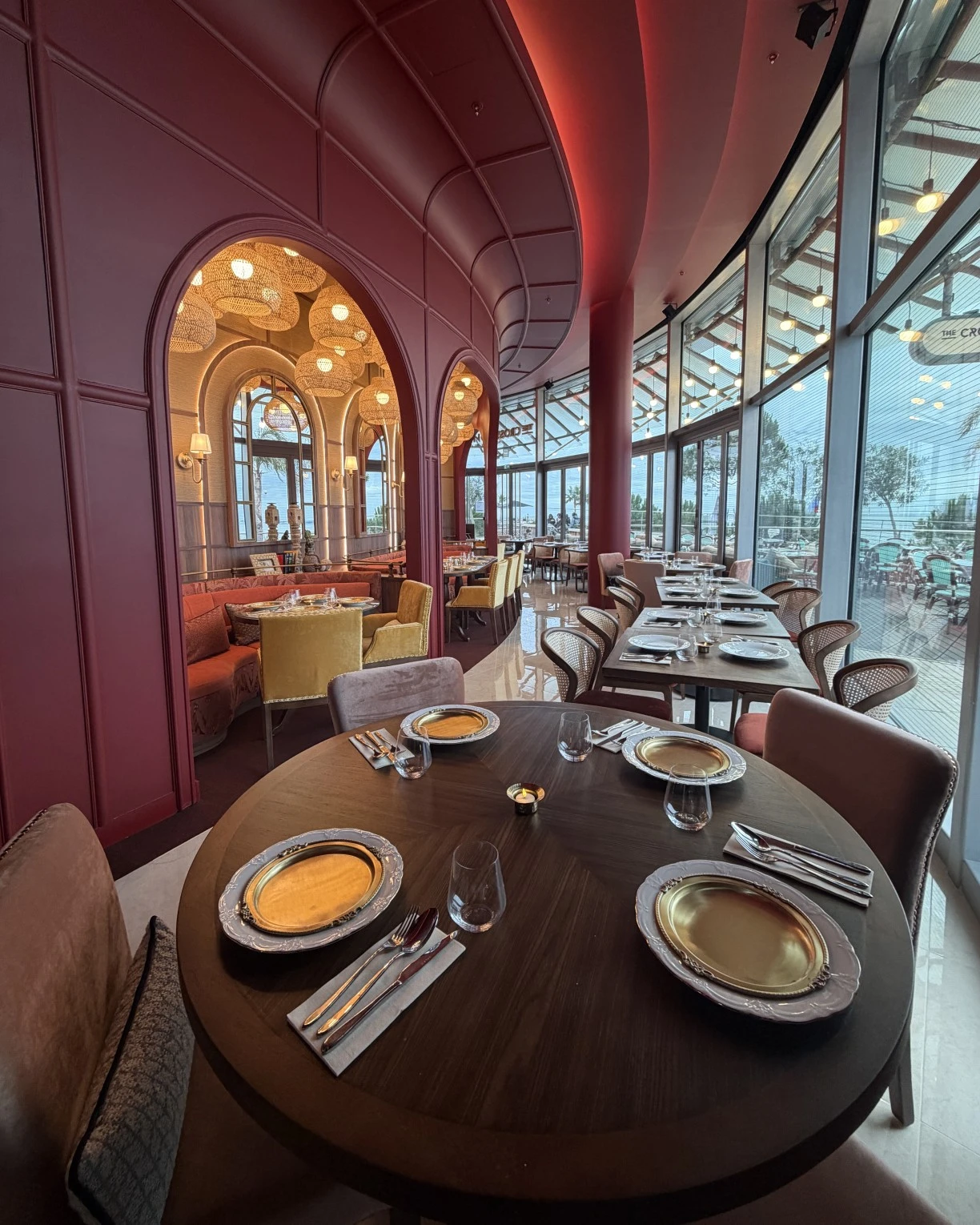
At The Crossing Nice, ambience is treated as part of the recipe.
Inspired by India’s railway crossings — places defined by movement and pause — the space encourages diners to settle rather than rush. Light, layout, and sound are calibrated to support conversation and comfort.
Under Chef Ankur Chakraborty’s philosophy, the dining room mirrors the kitchen: disciplined, warm, and restrained. Spice unfolds gradually because the environment allows it to.
This coherence places The Crossing among the best Indian restaurant experiences in Nice, where food and space speak the same language.

Why Ambience Defines the Best Indian Restaurant Experience
The best Indian restaurant experiences are not defined by food alone.
They are defined by alignment — between cuisine, service, and environment. Ambience ensures that Indian food is not rushed, misunderstood, or reduced to intensity.
It creates trust. It invites return. It allows diners to experience Indian cuisine as it was meant to be: generous, layered, and humane.
Final Reflections: When Space Allows Flavour to Speak
Ambience does not compete with food. It reveals it.
For Indian cuisine, which relies on time, warmth, and balance, the right environment is transformative.
In Nice, where dining is woven into lifestyle, ambience becomes inseparable from flavour.
At places like The Crossing Nice, space allows Indian food to speak clearly — not loudly, but confidently. And when that happens, the meal becomes something remembered rather than merely eaten.


