

Table of Contents
- Why Vegetarian Indian Food Is Often Misunderstood
- The Strength of Vegetarian Cooking in Indian Cuisine
- Key Vegetarian Dishes to Understand
- How to Order a Balanced Vegetarian Meal
- Ingredients That Define Vegetarian Indian Flavour
- Where to Try Vegetarian Indian Dishes in Paris
- Final Thoughts on Vegetarian Indian Dining
Why Vegetarian Indian Food Is Often Misunderstood
Vegetarian Indian food is frequently approached as a secondary option—something chosen out of necessity rather than intent. This assumption does not hold up under closer examination. In Indian cuisine, vegetarian cooking is not an adaptation; it is foundational.
Across regions, entire culinary systems are built without meat, relying instead on vegetables, lentils, grains, and dairy to create depth. The result is not simplicity, but complexity achieved through different means.
For diners in Paris, understanding this shift is essential. The best vegetarian Indian dishes are not substitutes—they are complete expressions of the cuisine.
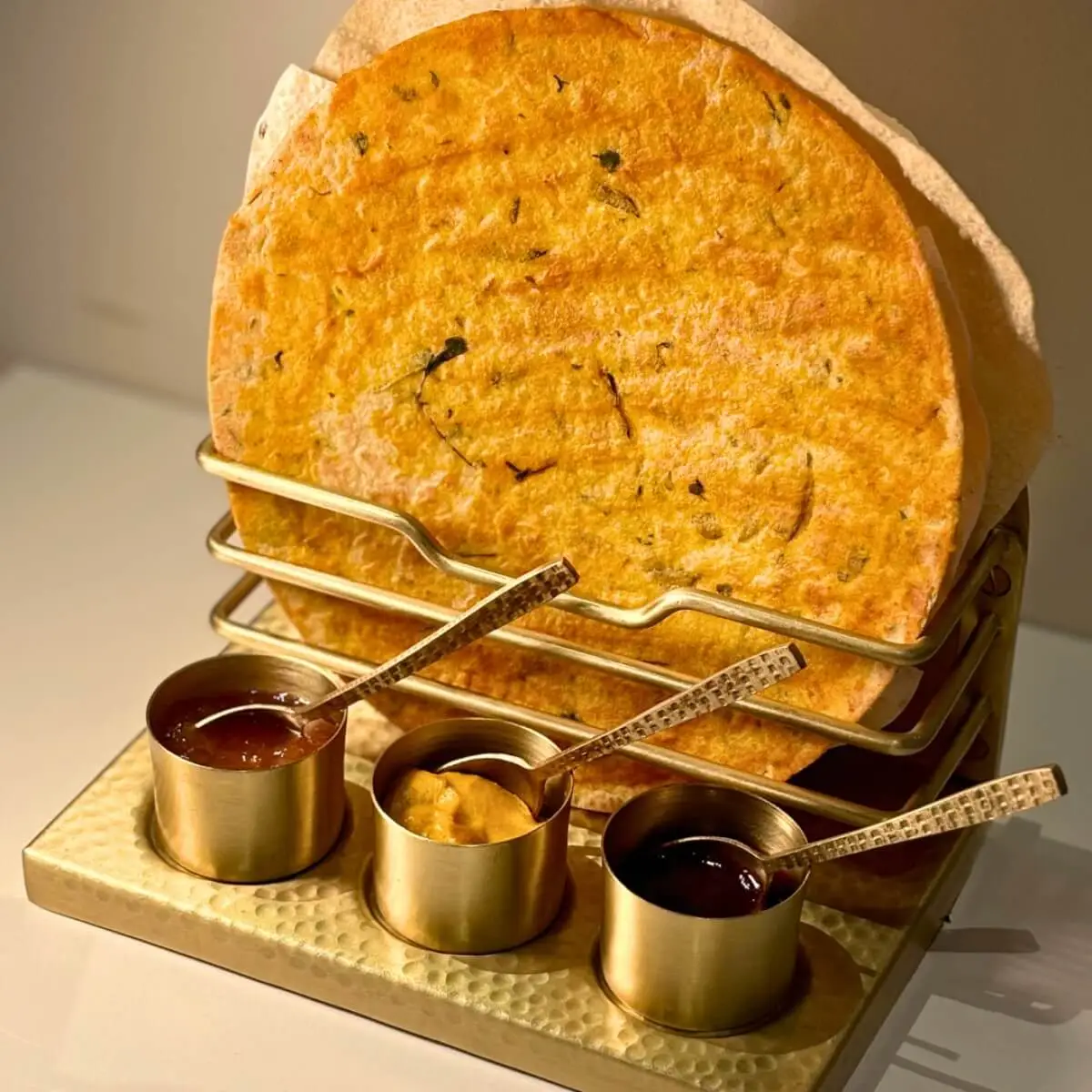
The Strength of Vegetarian Cooking in Indian Cuisine
What distinguishes vegetarian Indian food is its reliance on technique and layering rather than primary ingredients.
Lentils are slow-cooked to develop richness. Spices are tempered to release aroma before being integrated. Dairy elements such as yoghurt or paneer add structure and balance.
At The Crossing, this philosophy is reflected in dishes that feel composed rather than compensatory. The focus is not on replacing meat, but on building flavour through method and proportion.
This is why vegetarian Indian food often feels more nuanced than expected—it is designed that way from the start.
Key Vegetarian Dishes to Understand
Certain dishes provide a clear entry point into vegetarian Indian cuisine.
Dal makhani is one of the most important. Slow-cooked black lentils develop a depth that rivals any meat-based dish, supported by tomato and butter. Paneer-based dishes, such as paneer butter masala, introduce a different texture—soft, structured, and able to absorb flavour effectively. Vegetable-based curries, like kurma, rely on coconut and spice to create balance rather than intensity.
Together, these dishes demonstrate the range within vegetarian Indian cooking—from richness to lightness, from earthy to aromatic.
How to Order a Balanced Vegetarian Meal
Ordering vegetarian Indian food requires the same structure as any well-composed meal.
Begin with a small plate that introduces contrast. Aloo tikki, with its crisp exterior and tangy chutney, sets the tone. Follow with a main curry—either lentil-based or paneer-based—to anchor the meal. Add rice or bread to provide balance and allow flavours to integrate.
Avoid ordering too many similar dishes. Variety should come from technique and composition, not just ingredients.
This approach ensures that the meal feels complete rather than repetitive.
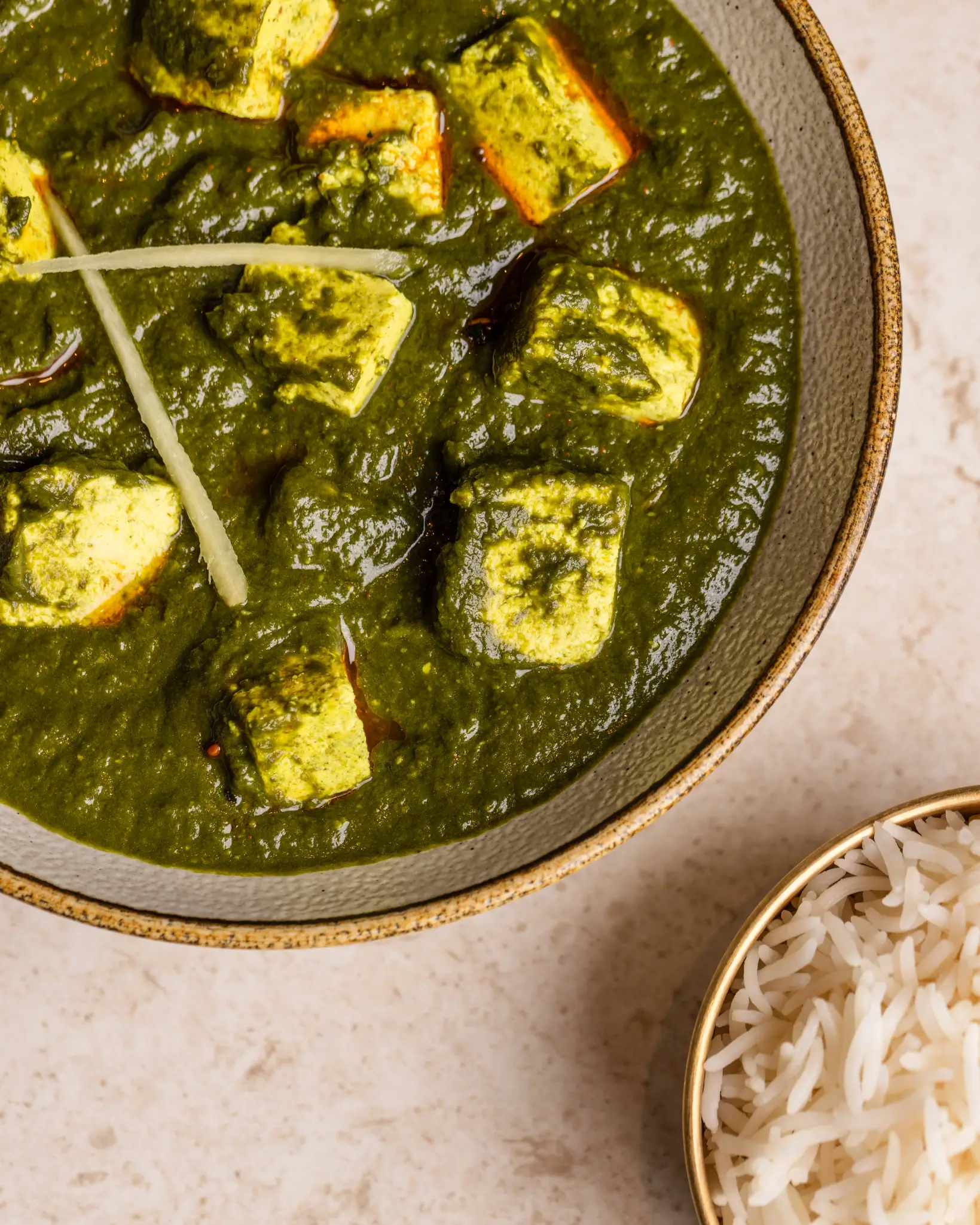
Ingredients That Define Vegetarian Indian Flavour
Vegetarian Indian cuisine depends heavily on ingredients that carry both flavour and function.
Cumin provides an earthy base. Cardamom introduces aromatic lift. Fenugreek adds depth with slight bitterness. Coconut contributes texture and balance, particularly in southern dishes. These ingredients are not used independently—they interact. Their proportions determine whether a dish feels heavy, light, sharp, or rounded.
At The Crossing, ingredient sourcing and handling reflect this understanding, ensuring that each dish maintains clarity rather than excess.
Where to Try Vegetarian Indian Dishes in Paris
For those searching for vegetarian Indian food in Paris, the challenge is not availability but quality. Many restaurants offer vegetarian options, but fewer treat them as central to the menu.
The Crossing stands out for integrating vegetarian dishes into the core dining experience rather than isolating them. The menu allows these dishes to sit alongside others without hierarchy, reinforcing their importance within the cuisine.
Located in Galeries Lafayette Le Gourmet, it also provides a setting where vegetarian Indian food is presented with the same level of refinement expected across Paris’s dining landscape.
Final Thoughts on Vegetarian Indian Dining
The best vegetarian Indian dishes to try in Paris are not defined by restriction, but by intention. They reveal a cuisine built on balance, technique, and ingredient logic rather than reliance on a single element.
For diners, this offers a different way of engaging with Indian food—one that prioritises structure over expectation.
When approached correctly, vegetarian Indian cuisine is not an alternative. It is, in many ways, the most direct expression of how the cuisine thinks, builds flavour, and delivers a complete dining experience.


