

What If Everything You Knew About Indian Food Was Just the Beginning?
For many Parisians, Indian cuisine evokes a narrow palette: spicy curries, buttery naan, and maybe a samosa or two. But step into The Crossing, nestled inside Galeries Lafayette Le Gourmet, and you’ll find those expectations quietly dismantled. This is not your typical curry house. This is a redefinition—a showcase of India’s culinary map in high resolution, served with craft, context, and cultural integrity.
The Crossing doesn’t just serve Indian food. It curates a culinary journey across India, region by region, story by story. And in doing so, it has become the best Indian restaurant in Paris, not by being the loudest—but by being the most thoughtful.
Table of Contents
- Rewriting the Indian Menu in Paris
- The Regional Tapestry: A Menu as Diverse as India
- The Dishes That Defy Expectations
- Spice as Symphony: Balanced, Not Blazing
- The Craft Behind the Plate
- Why The Crossing Is a Model for Modern Indian Dining
Rewriting the Indian Menu in Paris
In most Parisian Indian restaurants, the menu looks familiar—Butter Chicken, Rogan Josh, Chicken Tikka. Delicious, yes. But representative of India’s vast culinary range? Not even close.
The Crossing dares to do more. Rather than lump Indian food into one spicy stereotype, it opens the door to dishes from Goa, Pondicherry, Lucknow, Madras, Jalandhar, Cochin, Delhi, and beyond.
This isn’t about shock value. It’s about authenticity without limitation, and presenting Indian food in a way that respects both its historical roots and its evolving voice.
The Regional Tapestry: A Menu as Diverse as India
India is not a single cuisine—it’s dozens of cuisines, each shaped by geography, religion, and history. At The Crossing, the menu reads like a beautifully edited travelogue:
- Gunpowder Prawns, from Pondicherry, carry coastal heat and garlic intensity
- Shami Kebab, from the royal kitchens of Lucknow, are soft, spiced lamb patties rich with lentil and tradition
- Cauliflower 65, a Madras-originated spicy fried snack, surprises with its crispiness and curry leaf hit
- Saag Aloo, from Punjab, is reinvented with creamed greens and roasted baby potatoes
- Prawn Curry, Cochin-style, is layered with coconut milk, curry leaves, and just a whisper of mustard seed
Each dish comes with a backstory—not printed on the plate, but shared through thoughtful service, plating, and conversation.

The Dishes That Defy Expectations
Some dishes you may recognize, but they arrive with a twist that tells you this is not your usual Indian fare:
- Paneer Butter Masala is made with in-house paneer, slow-simmered tomatoes, and cashew cream for a sauce that’s delicate, not heavy
- The Butter Chicken is a slow-cooked yellow chicken curry kissed with fenugreek and memory
- Truffle and Goat Cheese Kulcha turns a traditional stuffed naan into a show-stealing Indo-French hybrid
- Even the Hibiscus-based Madras Bissap mocktail surprises with complexity normally reserved for cocktails
These are dishes that reflect India’s culinary history through a contemporary lens, while still being emotionally resonant—especially for those who grew up with these flavors.
Spice as Symphony: Balanced, Not Blazing
At The Crossing, spice is not a test of endurance—it’s a technique. It’s about layering, timing, and coaxing depth.
In the Lamb Korma, cardamom is bloomed in hot ghee before the yogurt base ever sees the heat. In the Dal Makhani, black lentils simmer with butter, tomato, and fenugreek overnight until the dish tastes more like silk than stew.
The chefs respect that heat can be powerful, but restraint is often more seductive.
This approach resonates deeply in Paris, where diners value elegance in every bite. It’s Indian food that speaks with a French accent in structure but keeps its Indian soul intact.

The Craft Behind the Plate
The attention to detail at The Crossing is almost obsessive—in the best way.
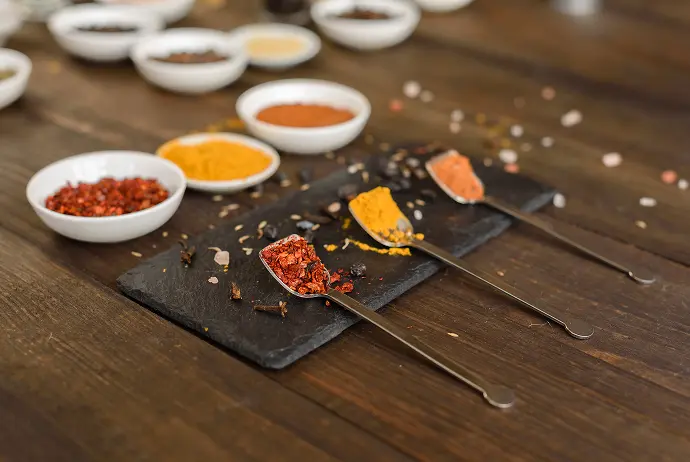
- Spices are ground in-house, ensuring aroma and authenticity
- Paneer is made fresh daily, using traditional coagulation and pressing methods
- Chutneys are prepared in small batches, each with unique balances of sweet, spice, and tang
- Every curry is built in layers—not tossed together—with ingredients like toasted cumin oil, tempered mustard seeds, or infused ghee
The result? A dining experience that feels as considered as a Parisian tasting menu, yet full of warmth, comfort, and deeply rooted memory.
Why The Crossing Is a Model for Modern Indian Dining
The Crossing is more than a restaurant—it’s a statement. That Indian food doesn’t need to be dressed down for the West. That regionality is richness. That vegetables can be center stage, and mocktails can be memorable.
It sets a new standard for how Indian cuisine can exist outside of India—refined, curated, and fully confident.
In a city that has seen the reinvention of every world cuisine—from Japanese omakase to modern Levantine—The Crossing now cements Indian food’s place at that table.
Ready to experience the most beautifully redefined Indian menu in Paris?
Book your table at The Crossing and taste what happens when culinary tradition meets fearless reinvention.


