

Table of Contents
- In India, Every Festival Begins at the Table
- Why Food Is Central to Indian Celebrations
- Every Region Celebrates Differently
- Bringing India’s Festival Spirit to Paris
- Dishes That Reflect India’s Celebratory Table
- Celebrating Together Beyond the Festival Calendar
- A Celebration That Lasts All Year
In India, Every Festival Begins at the Table
Across India, festivals are remembered not only by their rituals but also by the meals that accompany them. Before decorations are hung or prayers are offered, kitchens come alive with familiar aromas, family recipes are prepared with extraordinary care, and generations gather around the table to share dishes that often appear only once each year.
Food is not simply served during celebrations—it becomes one of the ways those celebrations are expressed.
Every ingredient carries memory. Every recipe connects families across generations. A festive meal reflects regional identity, local harvests, religious traditions, and the quiet rituals that define home. Whether marking Diwali, Holi, Eid, Onam, Durga Puja, Pongal, or countless other occasions celebrated across the country, Indian cuisine transforms ordinary ingredients into something deeply symbolic.
For Indians living abroad and travellers curious about the country’s cultural traditions, these meals offer an opportunity to experience celebrations through one of their most meaningful expressions. At The Crossing, inside Galeries Lafayette Le Gourmet in Paris, that philosophy shapes the restaurant’s understanding of hospitality every day of the year.

Why Food Is Central to Indian Celebrations
India’s festival calendar is remarkably diverse, reflecting the country’s many languages, religions, climates, and regional identities. Despite these differences, one tradition remains remarkably consistent: important occasions are celebrated through shared meals.
The reasons are both practical and deeply cultural.
Festivals often coincide with seasonal harvests, changing weather, or significant moments within religious calendars. Ingredients become available at particular times of year, encouraging recipes that celebrate abundance while honouring local agriculture. Families prepare dishes together, passing techniques and traditions from one generation to the next.
Equally important is the act of sharing.
Indian hospitality has always placed guests at the centre of the table. Celebratory meals invite neighbours, relatives, and visitors to participate, reinforcing the belief that food creates community as much as nourishment.
This understanding of generosity continues to influence Indian restaurants that remain closely connected to their culinary roots.
Every Region Celebrates Differently
One of the most fascinating aspects of Indian festivals is that the same celebration often looks—and tastes—completely different depending on where it takes place.
In northern India, festive meals frequently feature rich breads, dairy, aromatic gravies, and slow-cooked dishes prepared for extended family gatherings. Along the southern coast, coconut, curry leaves, rice, and seasonal vegetables define celebratory tables. Eastern India is renowned for its sweets, mustard-infused cooking, and elaborate festival feasts, while western regions celebrate vibrant vegetarian traditions alongside colourful street-food culture.
These differences illustrate an important truth: there is no single festival menu in India.
Chef Ankur Chakraborty’s philosophy embraces this regional diversity rather than reducing Indian cuisine to a handful of universally recognised dishes. His cooking reflects the movement of recipes across the country, celebrating how traditions evolved while remaining deeply connected to place.
Understanding regional food traditions allows diners to appreciate Indian festivals not as isolated events but as expressions of an extraordinarily varied culinary culture.
Bringing India's Festival Spirit to Paris
Although Paris and India sit thousands of kilometres apart, the values that define festive dining travel remarkably well.
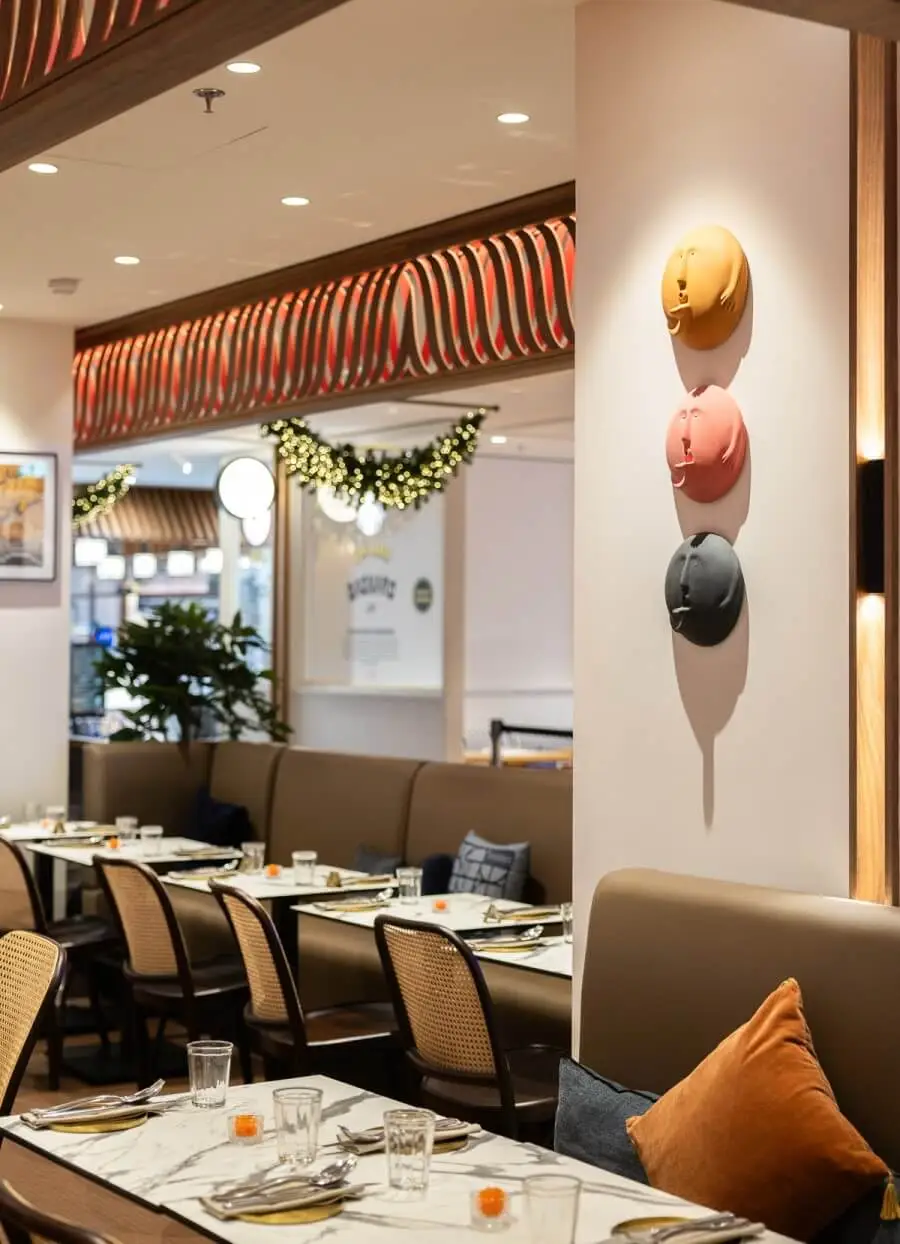
The Crossing takes its inspiration from India’s railway crossings, where people, stories, ingredients, and recipes intersected during journeys across the country. That narrative naturally reflects the spirit of festivals themselves, bringing together communities through shared experiences and generous hospitality.
Located inside Galeries Lafayette Le Gourmet, the restaurant has become a place where residents, international visitors, and members of the Indian diaspora can gather around food that honours regional traditions while feeling completely at home in Paris. As the first Indian restaurant within this iconic destination, it introduces guests to a broader understanding of Indian cuisine through carefully crafted regional dishes rather than familiar stereotypes.
While menus evolve with the seasons and the rhythm of the restaurant, the underlying philosophy remains constant: meals should encourage conversation, discovery, and the pleasure of sharing.
Dishes That Reflect India's Celebratory Table
Festive Indian dining rarely revolves around a single signature dish. Instead, the experience unfolds gradually through a collection of flavours, textures, and regional influences shared across the table.
At The Crossing, guests can begin with Dahi Puri, where crisp shells, tamarind chutney, potatoes, and spiced yoghurt capture the lively spirit of India’s street-food traditions. Chicken Tikka and Gunpowder Prawns demonstrate the importance of careful marinades and live-fire cooking, while the Tandoori Cauliflower offers a beautifully balanced vegetarian option.
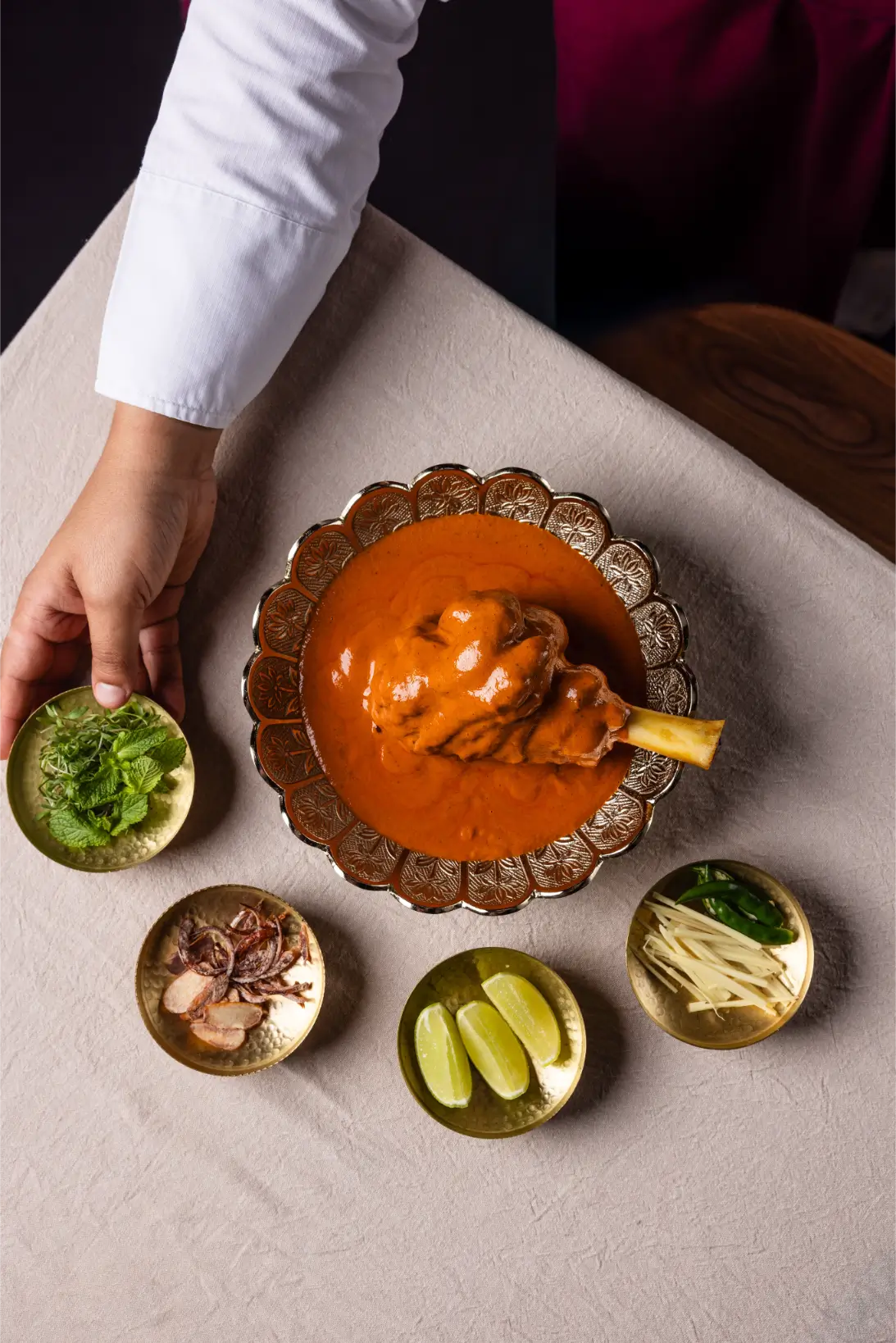
Main courses continue this regional journey. The comforting Butter Chicken reflects northern culinary traditions, while the Alleppey Prawn Curry introduces the coconut-rich flavours of Kerala’s coastline. The Railway Lamb Curry, one of the restaurant’s defining dishes, pays tribute to recipes that travelled alongside India’s railways, embodying movement, patience, and shared culinary memory. Fresh naan, fragrant basmati rice, and delicate Saffron Kheer provide a fitting conclusion to a meal designed to be enjoyed collectively.
Like every memorable festival feast, the experience is shaped as much by the company around the table as by the food itself.
Celebrating Together Beyond the Festival Calendar
One of the most enduring qualities of Indian hospitality is that celebration is not limited to specific dates.
Families gather for birthdays, reunions, graduations, anniversaries, and everyday occasions with the same generosity that characterises larger festivals. The emphasis remains on bringing people together rather than creating elaborate spectacle.
Chef Ankur Chakraborty’s philosophy reflects this naturally. His cooking values trust, warmth, and repeat visits over novelty, encouraging guests to return because they feel welcomed rather than impressed. Meals unfold at an unhurried pace, inviting conversation and connection instead of performance.
For diners in Paris, this creates an experience that feels both festive and comfortably familiar, whether visiting during a major Indian celebration or on an ordinary weekday evening.
A Celebration That Lasts All Year
Indian festivals remind us that food is far more than a collection of recipes. It is a language of memory, generosity, identity, and belonging, capable of connecting people across generations and continents.
That spirit extends beyond individual celebrations. It lives in regional cooking traditions, carefully preserved family recipes, and restaurants that honour cultural heritage while welcoming new audiences to the table.
At The Crossing, these values are woven into every meal. Inspired by India’s railway journeys, guided by Chef Ankur Chakraborty’s commitment to regional authenticity and craftsmanship, and situated in the heart of Paris inside Galeries Lafayette Le Gourmet, the restaurant offers guests an opportunity to experience Indian culture through its most enduring tradition: sharing food.
For anyone wishing to celebrate Indian festivals through food in Paris, The Crossing provides more than an excellent meal. It offers a place where stories travel, traditions continue, and every table carries a little of the warmth that defines India’s greatest celebrations.


