
Table of Contents
- Paris Has Always Rewarded Culinary Curiosity
- Indian Cuisine and French Dining Share More Than People Realise
- The Rise of Contemporary Indian Dining
- Why The Crossing Reflects This New Chapter
- A City Where Culinary Traditions Continue to Meet
Fusion is often misunderstood.
The word can suggest novelty for novelty’s sake—unexpected combinations designed to surprise rather than satisfy. Yet the most successful culinary fusion has never been about invention alone. It emerges when two food cultures share values, techniques, and a mutual respect for craftsmanship.
That is precisely why Paris has become one of the most compelling cities for contemporary Indian cuisine.
Far from India, yet deeply connected to global gastronomy, Paris offers an environment where Indian culinary traditions can evolve naturally. The result is not the dilution of Indian food but a more refined conversation between heritage and modernity.
Paris Has Always Rewarded Culinary Curiosity
Few cities have shaped global dining standards as profoundly as Paris.
The city’s food culture values technique, ingredient quality, seasonality, and attention to detail. Restaurants are judged not simply by flavour but by balance, execution, and consistency. These principles have influenced chefs from every corner of the world.
For Indian cuisine, this environment presents a unique opportunity.
Indian cooking already possesses extraordinary depth, regional diversity, and technical sophistication. Yet outside India, it has often been reduced to a handful of familiar dishes. Paris encourages a different approach—one that invites chefs to showcase nuance rather than excess and craftsmanship rather than stereotype.
In many ways, the city provides the ideal stage for Indian cuisine to be understood more completely.
Indian Cuisine and French Dining Share More Than People Realise
At first glance, Indian and French culinary traditions appear very different.
One is associated with spices and regional complexity. The other is known for sauces, technique, and precision. Yet beneath these surface distinctions lie surprising similarities.
Both cuisines place immense value on ingredients. Both rely on generations of accumulated knowledge. Both understand that patience often produces better food than speed.
Most importantly, both recognise that cooking is an act of culture rather than simply nourishment.
This shared philosophy explains why Indian food feels increasingly at home in Paris. The city’s diners appreciate authenticity, but they also appreciate refinement. They are open to discovering regional traditions, understanding ingredients, and engaging with food stories that extend beyond the plate.
The Rise of Contemporary Indian Dining
The evolution of Indian cuisine in Paris reflects a broader shift happening around the world.
Today’s diners are increasingly curious about regional identities and culinary heritage. They want to know where ingredients come from, how dishes evolved, and what makes a cuisine distinctive beyond its most famous exports.
Indian chefs have responded by looking deeper into their own traditions.
Rather than focusing solely on familiar restaurant staples, many are highlighting regional recipes, forgotten ingredients, and cooking techniques shaped by geography and history. The emphasis has shifted from representing “Indian food” as a singular category to exploring the remarkable diversity that exists within it.
This movement has found a particularly receptive audience in Paris, where diners have long valued culinary education alongside enjoyment.

Why The Crossing Reflects This New Chapter
The Crossing is part of this evolving story.
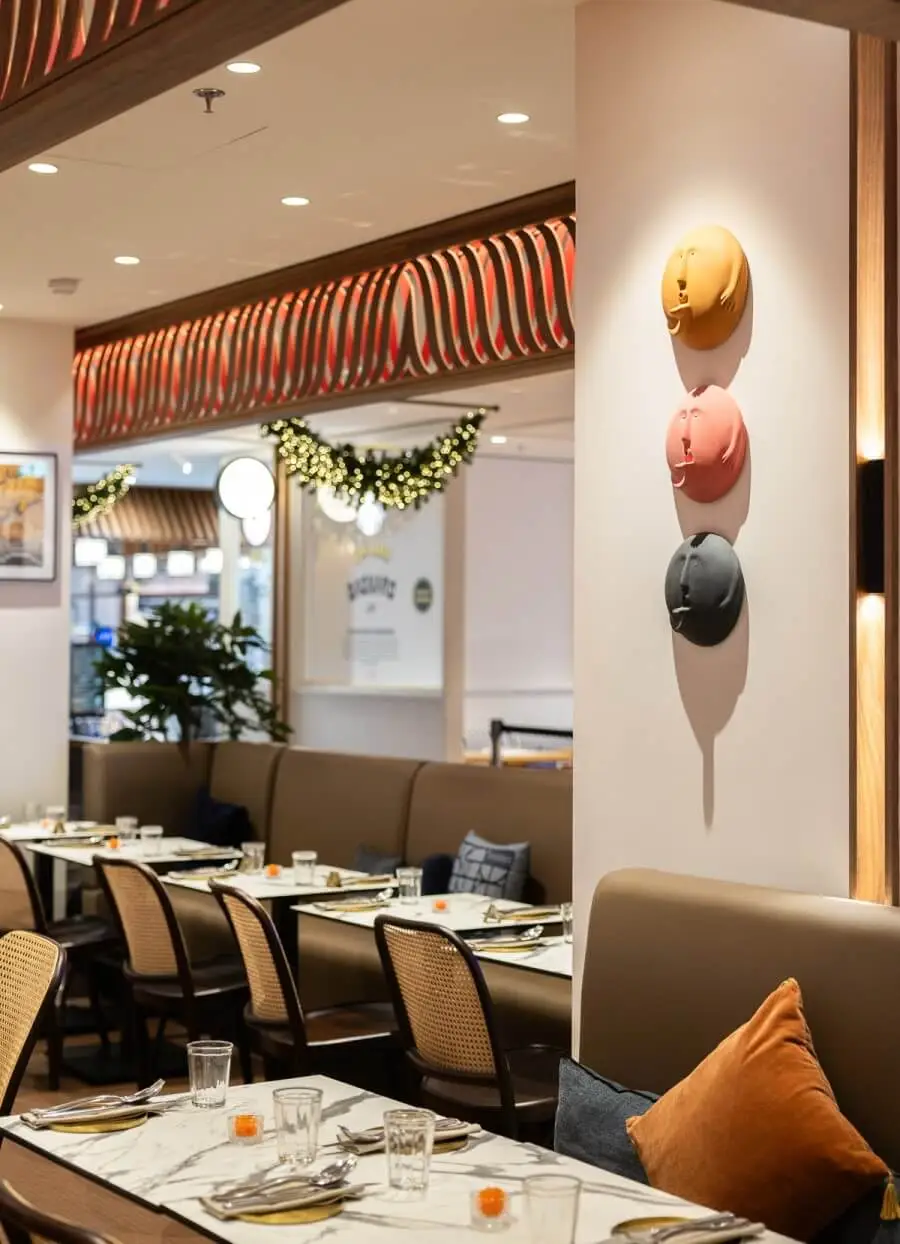
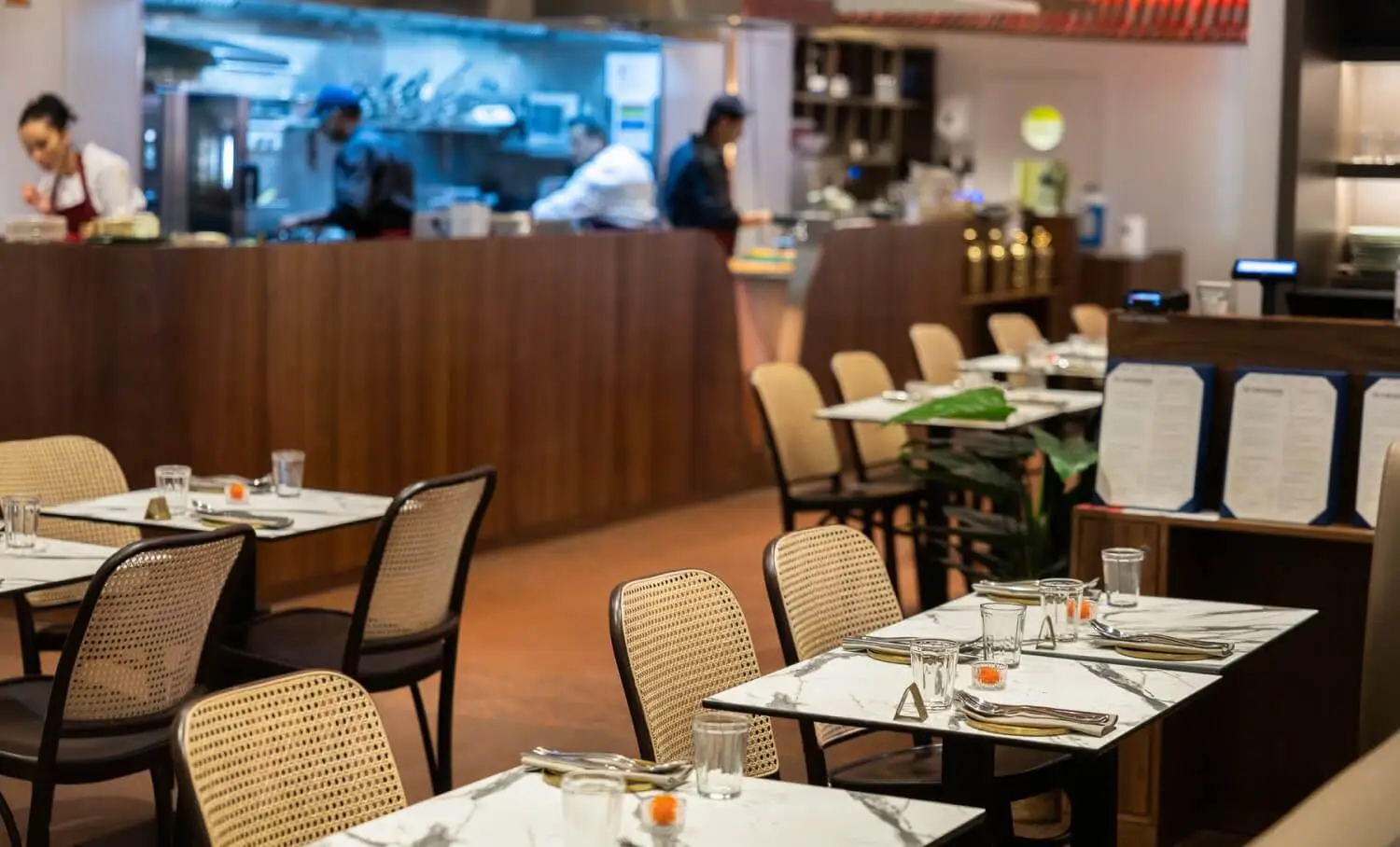
Located inside Galeries Lafayette Le Gourmet, the restaurant approaches Indian cuisine through the lens of movement, regionality, and cultural exchange. Inspired by India’s railway crossings—places where people, recipes, and traditions intersect—it celebrates a vision of Indian food shaped by travel and connection.
Chef Ankur Chakraborty’s philosophy is rooted in a similar idea. Rather than attempting to recreate India abroad, he seeks to translate it. His approach prioritises clarity, balance, and restraint, allowing ingredients and technique to reveal the complexity already present within Indian cuisine.
The result is food that feels authentic to its origins while remaining entirely at home in Paris.
That balance is what modern fusion should achieve.
A City Where Culinary Traditions Continue to Meet
Paris did not become a capital for contemporary Indian cuisine by accident.
The city’s openness to global influences, respect for craftsmanship, and appetite for discovery have created an environment where Indian food can evolve without losing its identity. Rather than forcing traditions to compete, Paris encourages them to converse.
For diners, that means access to a richer and more nuanced understanding of Indian cuisine.
For chefs, it offers freedom to honour heritage while embracing innovation.
And for restaurants like The Crossing, it provides the perfect setting to tell stories that have always been about movement, exchange, and connection.
After all, the most meaningful forms of fusion are not created in kitchens alone.
They are created where cultures meet.
And few cities do that better than Paris.


