
The Role of Service in Defining the Indian Restaurant Experience
In Indian dining culture, service has never been transactional. It is relational.
Long before restaurants existed as formal spaces, food in India was served within homes, temples, trains, and community kitchens. The act of serving carried meaning — it expressed care, hierarchy, generosity, and belonging. Even today, the memory of a meal is often inseparable from how it was offered rather than what was eaten.
In global cities like Paris, where service is treated as an art form in its own right, this philosophy finds renewed relevance. The Indian dining experience, when translated thoughtfully, reveals that service is not an accessory to food. It is one of its most defining ingredients.
Table of Contents
- Service as Hospitality, Not Performance
- The Cultural Roots of Indian Service
- Pace, Patience, and the Rhythm of a Meal
- Guidance Without Instruction
- The Emotional Intelligence of Indian Service
- Service and the Experience of Sharing
- Indian Service in a Modern Dining Context
- How Service Supports Indian Cuisine in Paris
- The Crossing Paris and the Language of Care
- Final Thoughts: When Service Becomes Memory
Service as Hospitality, Not Performance
Indian service begins with intention rather than protocol.
Traditionally, to serve food was to assume responsibility for the guest’s comfort. This responsibility extended beyond efficiency. It involved observing appetite, adjusting portions, and responding to unspoken needs.
Unlike service models built around formality or distance, Indian hospitality is adaptive. It responds to the guest rather than imposing structure upon them. This flexibility is what gives Indian dining its warmth — and its challenge — in modern restaurant settings.

The Cultural Roots of Indian Service
Indian service culture is shaped by community and movement.
From home kitchens to railway dining cars, food was served repeatedly to people in transit. Portions were replenished. Water was refilled without asking. Meals unfolded slowly, often accompanied by conversation rather than explanation.
This environment cultivated a service style rooted in attentiveness rather than instruction. The server observed rather than announced. Care was shown through action, not description.
These values continue to shape how Indian food is best experienced today.
Pace, Patience, and the Rhythm of a Meal
Indian cuisine requires time.
Spices develop gradually. Richness settles. Heat mellows. A rushed service disrupts this natural progression, making food feel heavier or more intense than intended.
The ideal Indian dining experience respects pacing. Courses arrive when the table is ready, not when the kitchen dictates. Pauses are allowed. Conversation is not interrupted unnecessarily.
This rhythm mirrors Indian home dining, where meals unfold organically rather than according to schedule.
Guidance Without Instruction
Indian menus can appear complex to unfamiliar diners.
Effective service bridges this gap without condescension. Rather than listing dishes or explaining excessively, good service offers guidance — suggesting balance, pacing, and combinations.
This approach respects the guest’s curiosity while maintaining their comfort. It frames Indian dining as an exploration rather than a test.
In the best Indian restaurant experiences in Paris, service acts as a translator, not a lecturer.
The Emotional Intelligence of Indian Service
Indian service relies heavily on emotional awareness.
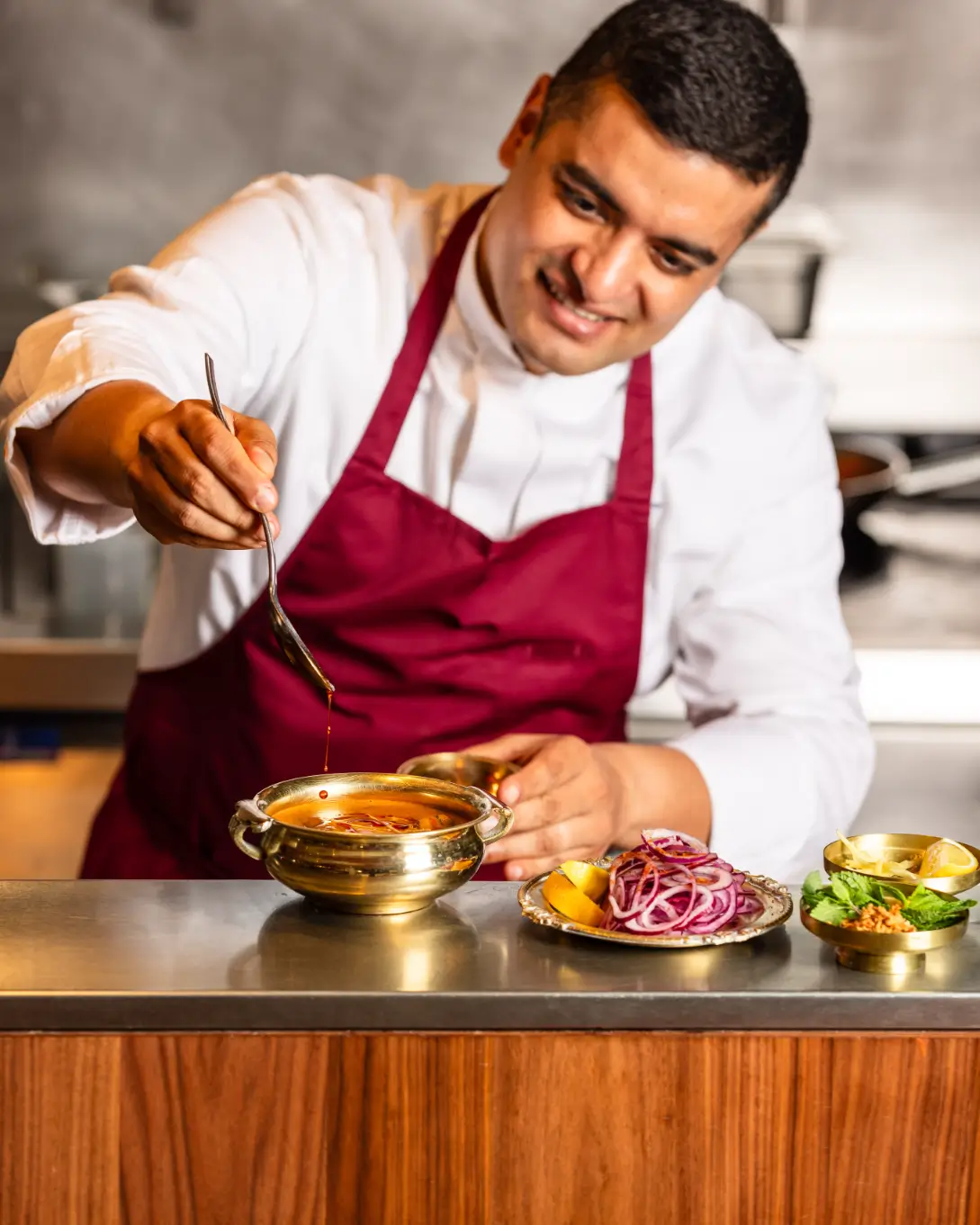
Servers are expected to read tables — to sense when guests want engagement and when they prefer privacy. This intuition is central to Indian hospitality, where overt attentiveness can feel intrusive.
When done well, service feels invisible. Needs are met before they are articulated. This quiet competence builds trust and ease.
Service and the Experience of Sharing
Indian food is designed to be shared.
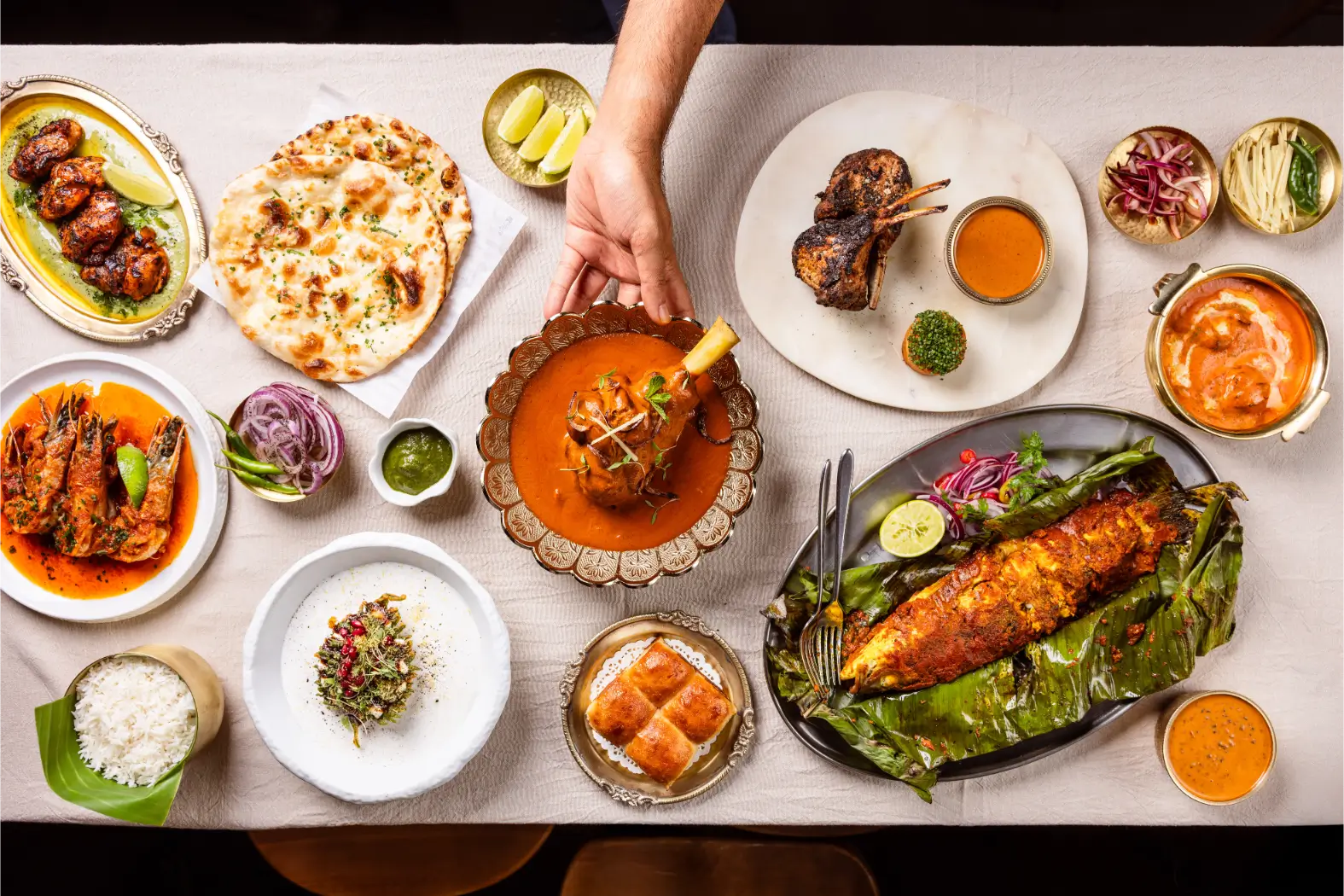
Service must therefore support communal dining. Plates arrive together. Dishes are explained in relation to one another. Portions are adjusted to the table rather than the individual.
This coordination ensures that the table eats as one, reinforcing the social nature of Indian meals. Service, in this context, becomes choreography.
Indian Service in a Modern Dining Context
Translating Indian service into contemporary restaurants requires editing.
The goal is not to replicate home hospitality, but to adapt its principles. Professional distance replaces familiarity. Precision replaces abundance. Yet the underlying values — care, attentiveness, and generosity — remain intact.
In modern Indian bistros, service must balance warmth with restraint, aligning with global dining expectations without losing its cultural core.

How Service Supports Indian Cuisine in Paris
Paris diners value service that is confident but unobtrusive.
Indian cuisine, when paired with overly explanatory or aggressive service, risks feeling overwhelming. Thoughtful service, however, allows flavours to be discovered gradually.
By guiding rather than instructing, service helps Indian food integrate naturally into Paris’s dining culture — refined, calm, and repeatable.
The Crossing Paris and the Language of Care
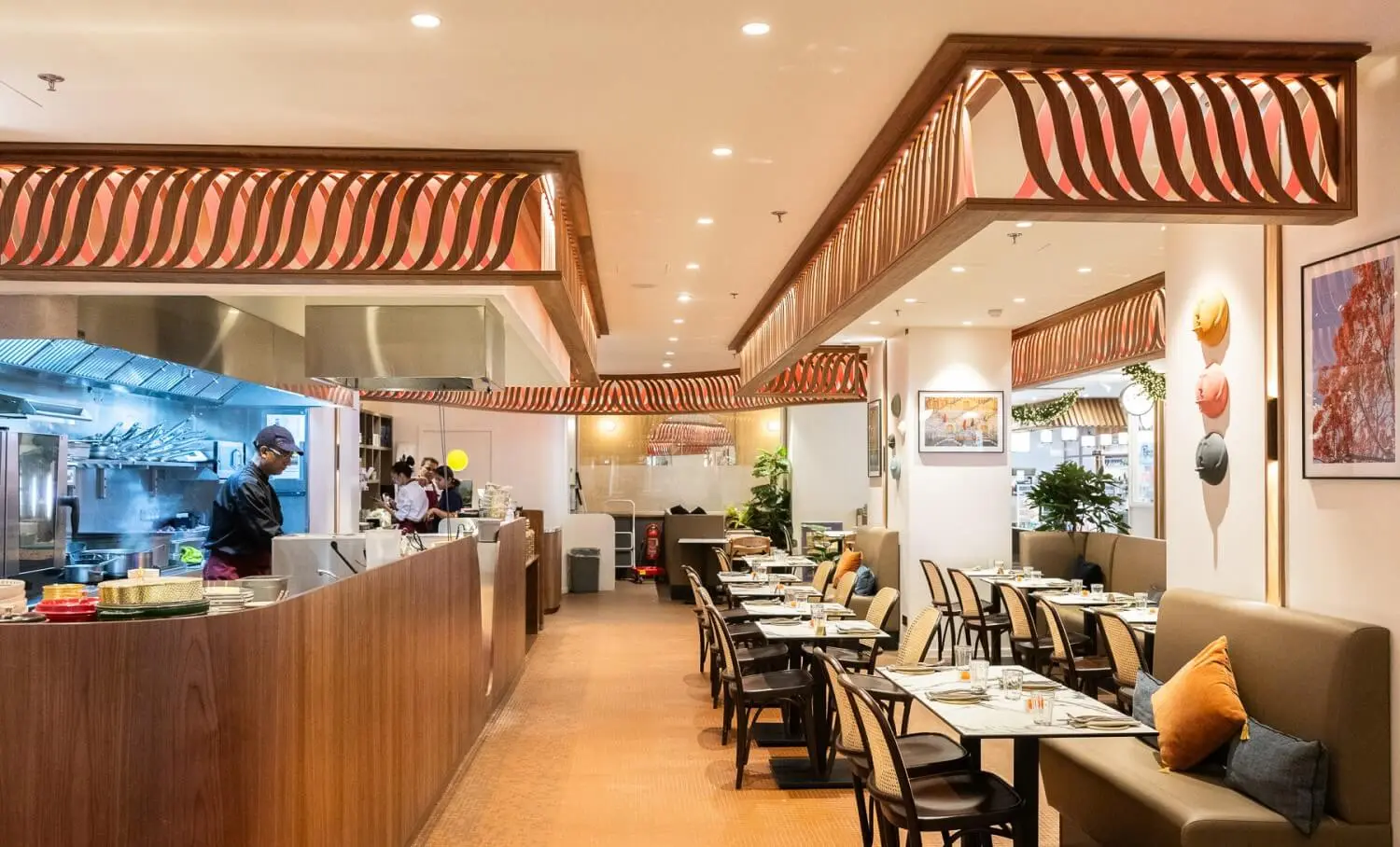
At The Crossing Paris, service reflects the restaurant’s broader philosophy of restraint and intention.
Inspired by India’s railway journeys — where food was served repeatedly and patiently — the service approach prioritises comfort over ceremony. Tables are guided gently. Pacing is respected. Guests are allowed to settle.
Consistently recognised among the best Indian restaurants in Paris, The Crossing demonstrates how service can elevate Indian cuisine without drawing attention to itself.
Here, service does not perform. It supports.
Final Thoughts: When Service Becomes Memory
Food is remembered through feeling.
Long after flavours fade, diners recall whether they felt welcomed, understood, and at ease. In Indian dining culture, service carries this emotional weight.
When executed with care, service becomes invisible — yet indispensable. It allows Indian cuisine to express its depth, warmth, and generosity without obstruction.
In the end, service shapes the Indian dining experience not by commanding attention, but by earning trust.
And that trust is what turns a meal into memory.


