
Table of Contents
- Pairing Indian Food Starts with a Common Misconception
- Understanding Flavour Before Choosing a Drink
- Wine Pairings for Regional Indian Cuisine
- Cocktails That Complement Rather Than Compete
- Why Tea Remains One of India’s Finest Pairings
- Building a Complete Dining Experience
- Drinking with Indian Food Is About Balance
Pairing Indian Food Starts with a Common Misconception
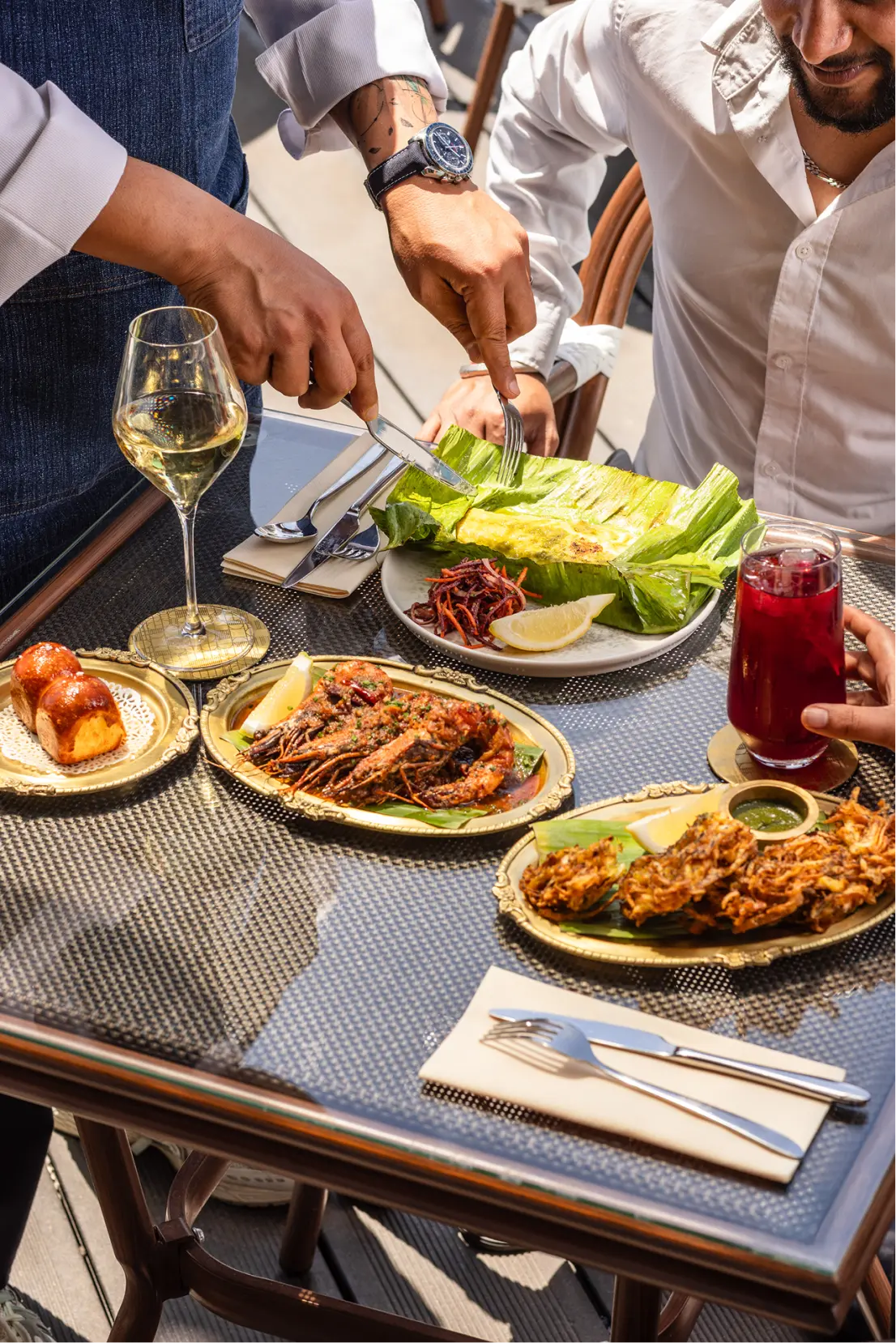
One of the most persistent myths about Indian cuisine is that it is too spicy to pair successfully with drinks. This assumption has shaped restaurant choices for years, leading many diners to believe that beer is the only reliable option.
The reality is far more interesting.
Indian cuisine is defined less by heat than by balance. Acidity, sweetness, bitterness, earthiness, smoke, creaminess, freshness, and aromatic spice all work together to create layered flavours that change from one region to another. Once these layers are understood, pairing drinks becomes remarkably intuitive.
The goal is not to match spice with intensity but to choose beverages that either refresh the palate, highlight subtle ingredients, or create harmony between contrasting flavours.
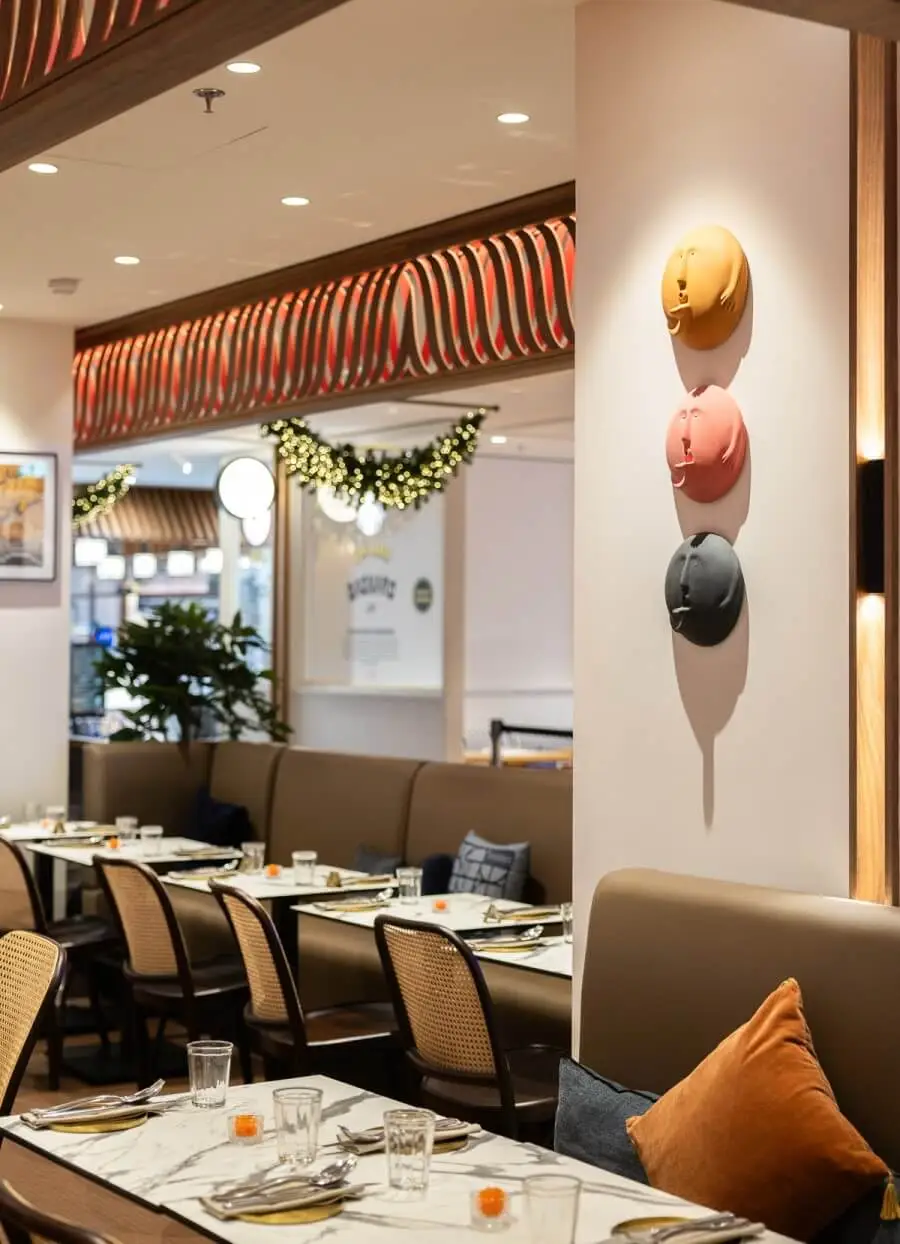
At The Crossing inside Galeries Lafayette Le Gourmet, Chef Ankur Chakraborty’s restrained approach to Indian cooking naturally lends itself to thoughtful pairings. His philosophy allows ingredients to remain distinct, making wine, cocktails, and tea feel like extensions of the meal rather than separate experiences.
Understanding Flavour Before Choosing a Drink
Successful food pairing begins with understanding the structure of a dish rather than simply identifying its cuisine.
A creamy curry behaves differently from a charcoal-grilled appetiser. Coconut-based sauces call for different accompaniments than tomato gravies, while yoghurt marinades soften spice and introduce gentle acidity. Fresh herbs, citrus, tamarind, curry leaves, and roasted spices each influence how a beverage will taste alongside the food.
This is why broad rules such as “red wine with curry” or “beer with spicy food” rarely produce satisfying results.
Chef Ankur’s cooking philosophy emphasises precision over excess. His dishes rely on careful layering rather than overwhelming spice, making it easier for carefully selected drinks to complement rather than overpower the food.
When flavours remain balanced, pairing becomes an exercise in refinement instead of compromise.
Wine Pairings for Regional Indian Cuisine
Wine and Indian food are often considered unlikely companions, yet many regional dishes pair beautifully with thoughtfully chosen wines.
For lighter starters such as Dahi Puri, a crisp white wine with bright acidity complements tamarind, yoghurt, and fresh herbs while refreshing the palate between bites. Similarly, aromatic whites pair comfortably with Chicken Tikka, whose yoghurt marinade and Kashmiri chilli create depth without excessive richness.
Creamier dishes such as Butter Chicken benefit from wines that balance richness with freshness. Medium-bodied whites or elegant, fruit-forward reds allow tomato, fenugreek, and cardamom to remain expressive without introducing excessive tannins.
For the Railway Lamb Curry, a structured red with moderate tannins complements the slow-braised lamb while respecting the gentle warmth of fennel and Kashmiri chilli. Meanwhile, the coconut-based Alleppey Prawn Curry pairs particularly well with vibrant white wines whose natural acidity enhances ginger, turmeric, and curry leaves rather than competing with them.
Rather than searching for a universal pairing, diners benefit from thinking regionally—just as the food itself does.

Cocktails That Complement Rather Than Compete
Cocktails work best with Indian cuisine when they prioritise freshness and restraint.
Bright citrus, herbs, light botanicals, ginger, or subtle spice often create excellent companions because they mirror elements already present within the food without repeating them directly.
A refreshing gin-based cocktail with herbal notes works particularly well alongside grilled dishes, while citrus-forward serves help cleanse the palate between richer courses. Ginger-based cocktails naturally echo many Indian flavour profiles without becoming predictable, and sparkling drinks add welcome lift to more indulgent curries.
The key is avoiding excessive sweetness or overly aggressive spirits. Powerful cocktails quickly dominate delicate spice blends and diminish the balance carefully built into each dish.
Chef Ankur often describes pairings as creating space for the food rather than competing with it. Drinks should support the conversation taking place on the plate, not interrupt it.
Why Tea Remains One of India's Finest Pairings
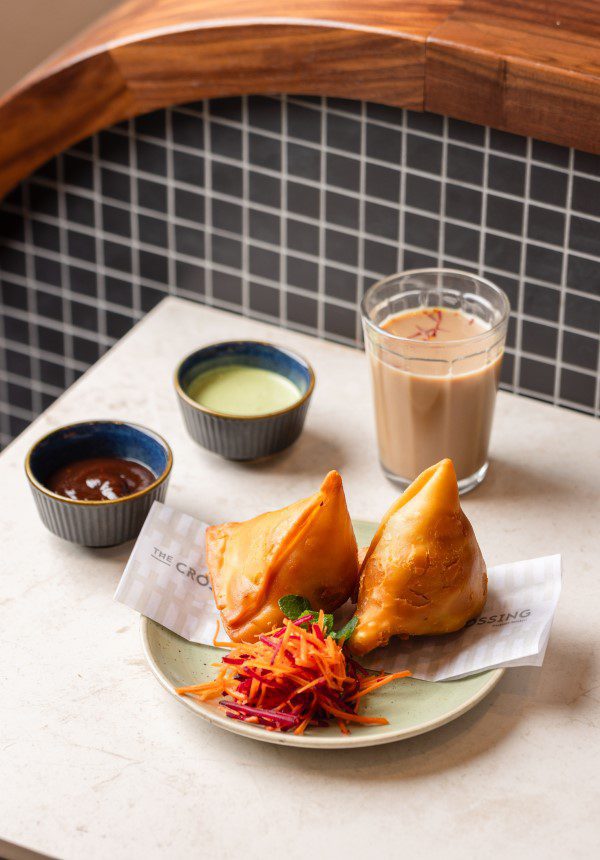
Long before wine pairings became fashionable, India had already developed one of the world’s great tea cultures.
Tea accompanies breakfast, welcomes guests, punctuates railway journeys, and concludes family meals across the country. Its role extends far beyond refreshment—it represents hospitality itself.
At The Crossing, this cultural connection feels especially meaningful. The restaurant’s railway-inspired story recalls the countless stations where travellers paused for chai before continuing their journeys across India.
Different teas naturally suit different moments during a meal. Delicate black teas provide a gentle finish after rich curries, while lighter infusions refresh the palate without overwhelming lingering spices. Unlike many alcoholic beverages, tea often extends rather than interrupts the rhythm of conversation, making it particularly well suited to relaxed lunches or leisurely dinners.
For diners seeking a non-alcoholic pairing, tea offers remarkable versatility and authenticity.
Building a Complete Dining Experience
The finest pairings rarely revolve around one spectacular combination. Instead, they create continuity from the first course to the last.
A meal at The Crossing might begin with Dahi Puri alongside a crisp aperitif before moving towards Chicken Tikka with an aromatic white wine. The main course—perhaps Railway Lamb Curry or Mushroom and Vegetable Kurma—can then be accompanied by a carefully chosen wine that reflects its regional character, before finishing with Saffron Kheer and a comforting cup of tea.
This gradual progression mirrors Chef Ankur’s belief that Indian dining should unfold like a journey rather than a checklist. Each course prepares the palate for the next, allowing flavours to build naturally while maintaining harmony throughout the meal.
The result is a dining experience where food and drink evolve together.
Drinking with Indian Food Is About Balance
Pairing Indian cuisine with wine, cocktails, or tea becomes much simpler once one principle is understood: balance matters more than intensity.
Indian food is not defined by spice alone. It is a cuisine of careful layering, regional variation, and thoughtful technique. The best beverages recognise those qualities, refreshing the palate, highlighting ingredients, and allowing each dish to express its own identity.
At The Crossing, located inside Galeries Lafayette Le Gourmet, this philosophy extends naturally from the kitchen to the table. Chef Ankur Chakraborty’s commitment to restraint, regional authenticity, and craftsmanship creates a menu where pairing feels intuitive rather than intimidating.
Whether you choose a carefully selected wine, a refreshing cocktail, or a simple cup of tea, the right pairing does not merely accompany the meal—it deepens the experience. It allows every ingredient, every regional influence, and every carefully prepared dish to be appreciated exactly as intended, making the journey through Indian cuisine even more rewarding.


