

Table of Contents
- Why Railway Snacks Matter in Indian Cuisine
- The Origins of Railway Food Culture
- What Defines a Railway Snack
- From Platform to Plate: The Shift to Modern Fusion
- How The Crossing Reinterprets Railway Snacks
- What to Order: Translating Snacks into a Meal
- Final Thoughts on Movement and Flavor
Why Railway Snacks Matter in Indian Cuisine
Indian railway snacks are often dismissed as casual, functional food—quick bites designed for travel rather than culinary significance. This overlooks their deeper role. Railway snacks are, in many ways, the most accurate representation of how Indian food evolves.
They are shaped by movement. Recipes adapt to regions, ingredients shift depending on geography, and flavors are designed to be immediate yet memorable. This constant adjustment makes them a natural foundation for modern Indian fusion cuisine.
At The Crossing, this idea is not theoretical. It is central to the restaurant’s identity—rooted in the concept of crossings, where food, people, and stories intersect.
The Origins of Railway Food Culture
India’s railway network has long functioned as a cultural corridor. As trains moved across states, they carried more than passengers—they carried recipes, techniques, and ingredients.
Station vendors became informal custodians of regional food. A traveler moving from north to south would encounter shifts in spice, texture, and preparation, often within a single journey.
This environment created a unique culinary system. Food had to be portable, expressive, and adaptable. Over time, these constraints shaped dishes that were both practical and deeply flavourful.
What Defines a Railway Snack
A railway snack is not defined by a single dish, but by a set of characteristics. It must be quick to serve, layered in flavour, and immediately engaging.
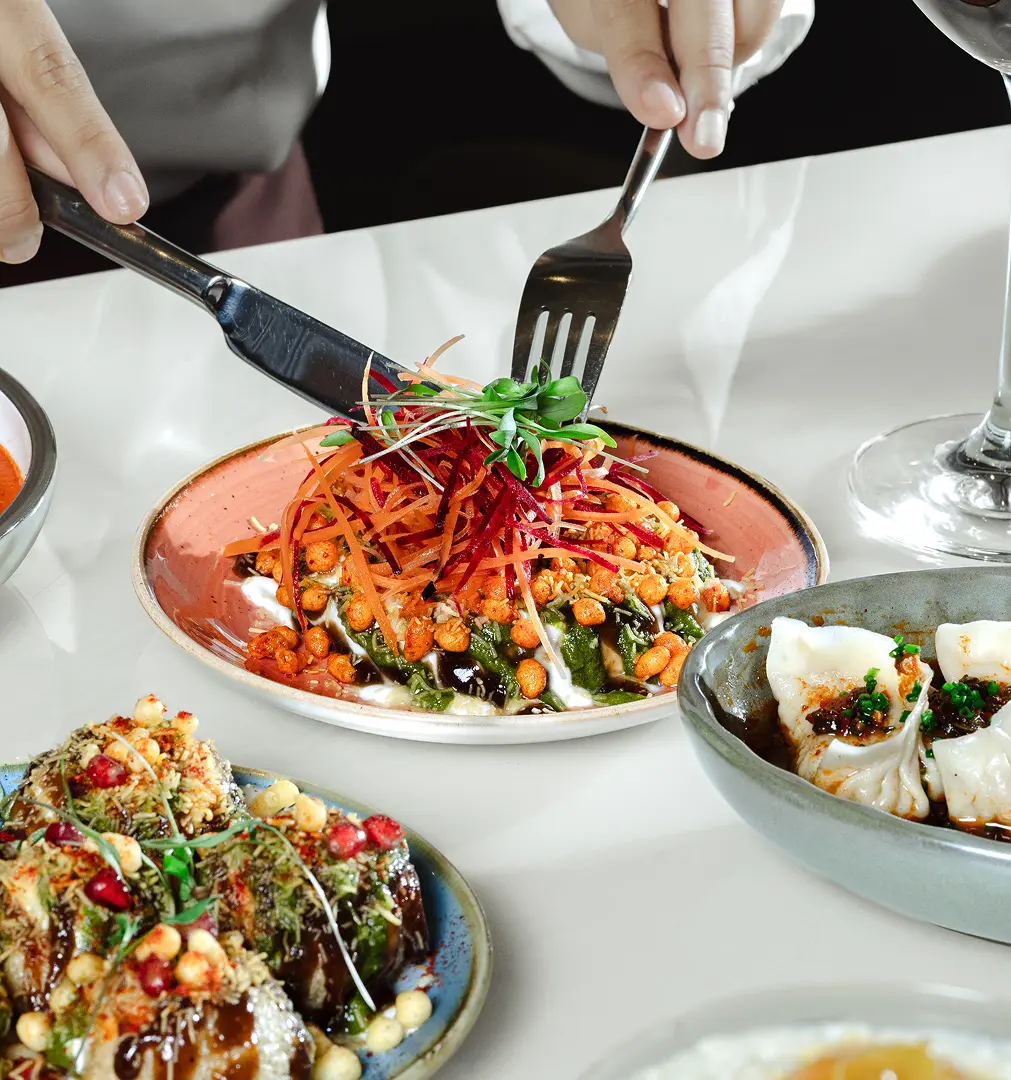
Texture plays a key role—crisp elements paired with soft fillings, as seen in chaat-style preparations. Acidity is equally important, often introduced through tamarind or yoghurt to balance spice. Dahi puri, for example, captures this structure precisely: a crisp shell, tangy filling, and cooling yoghurt working together in a single bite.
These snacks are designed for immediacy, but their composition reveals a deeper understanding of balance.
From Platform to Plate: The Shift to Modern Fusion
Modern Indian fusion does not begin in fine dining kitchens—it begins in places like railway platforms, where adaptation is constant.
The transition from snack to restaurant dish involves refinement, not reinvention. Techniques are controlled more precisely, ingredients are sourced with greater care, and presentation becomes more deliberate.
However, the core remains unchanged. The goal is still balance—ensuring that spice, acidity, and texture work together seamlessly.
This is why railway snacks translate so effectively into contemporary menus. They already contain the structural logic that modern dining demands.
How The Crossing Reinterprets Railway Snacks
At The Crossing, railway-inspired dishes are not recreated literally. They are translated.
The menu draws from the same principles—contrast, immediacy, and balance—but applies them with restraint. Small plates such as dahi puri or aloo tikki retain their essential character while being refined in execution.
This approach reflects Chef Ankur’s broader philosophy: Indian food is not static. It evolves through movement, adapting to new contexts without losing its identity.
The result is food that feels familiar yet precise—grounded in memory but aligned with contemporary dining.
What to Order: Translating Snacks into a Meal
Understanding railway snacks also helps in structuring a meal. These dishes are not meant to stand alone—they are designed to begin a sequence.
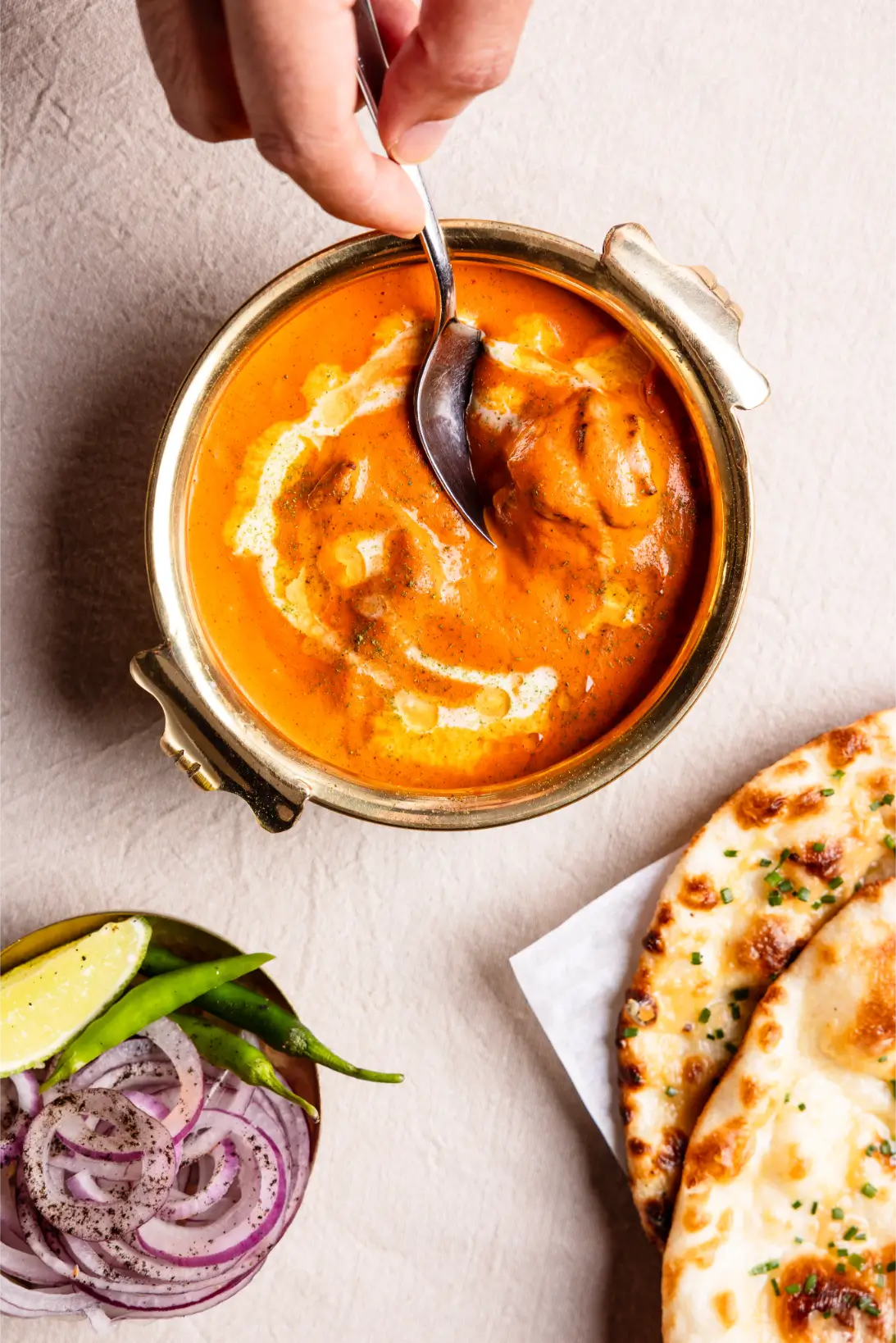
Start with a chaat-style dish to introduce contrast and acidity. Follow with a grill item to add warmth and depth. Then move to a curry to anchor the meal.
This progression mirrors the rhythm of travel itself—quick moments of intensity followed by longer, more sustained experiences.
At The Crossing, this structure is embedded into the menu, allowing diners to experience Indian cuisine as a continuous flow rather than isolated plates.
Final Thoughts on Movement and Flavor
Indian railway snacks are not just a nostalgic reference point. They are a blueprint for how Indian cuisine continues to evolve.
Their emphasis on balance, adaptability, and immediacy makes them uniquely suited to modern dining contexts, including cities like Paris.
At The Crossing, these influences are distilled into a refined format—where the energy of the platform meets the discipline of the kitchen.
In this way, railway snacks do not remain in transit. They arrive, transform, and continue their journey on the plate.


