
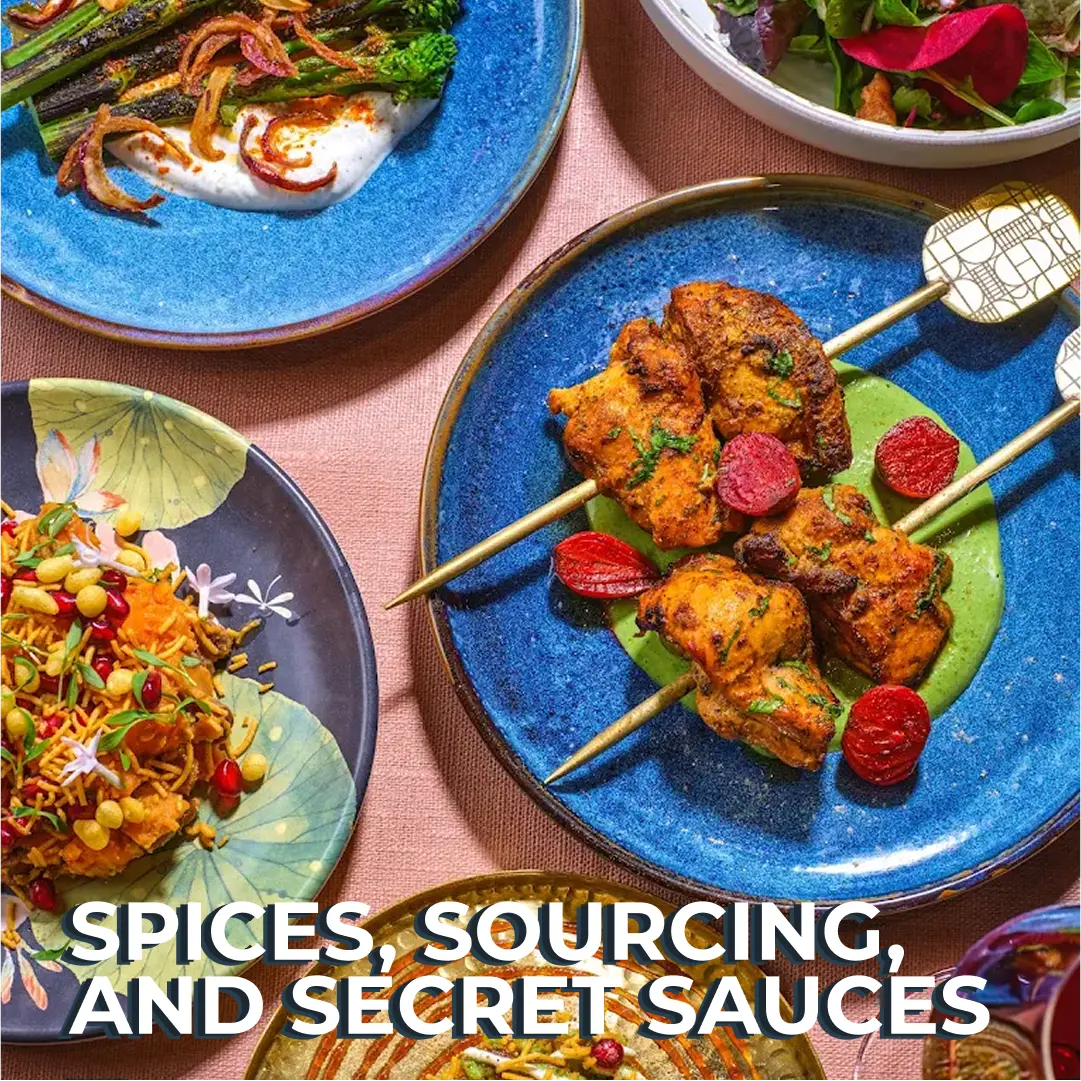
The magic of Indian cuisine isn’t just in the recipes—it’s in the raw materials. At The Crossing in Galeries Lafayette, the secret to delivering the best Indian food in Paris lies in its reverence for ingredients. This is not just about what lands on your plate, but about where it begins: in the sun-soaked spice fields of India, the thoughtful sourcing of seasonal produce, and the intricate layering of house-blended sauces.
Indian food may be rich in tradition, but it is the attention to quality and detail that transforms it into an elevated experience. The Crossing does not cut corners. Every aroma, every texture, and every flavor tells a deeper story.
Table of Contents
- Spices: The Soul of Indian Cooking
- Sourcing with Purpose: Freshness in Every Plate
- In-House Sauces: The Hidden Art
- Seasonal Innovation Meets Tradition
- Why Quality Ingredients Matter in Indian Cuisine
- A Kitchen That Balances Craft and Chemistry
- What Sets The Crossing Apart
Spices: The Soul of Indian Cooking
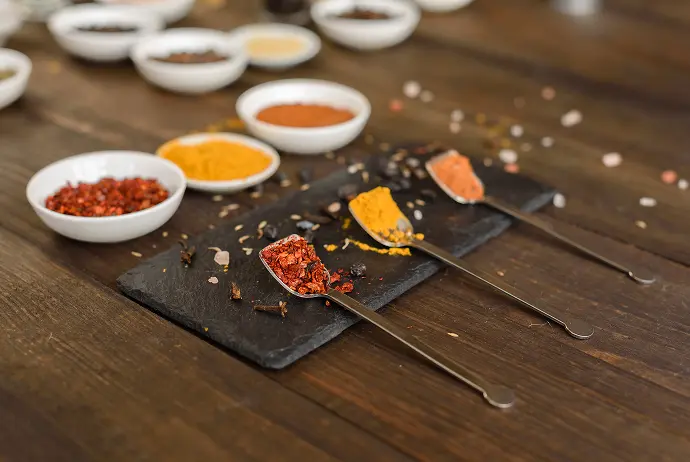
No cuisine relies on spice quite like India’s. But at The Crossing, spices are not just sprinkled in; they are curated. Cardamom pods are hand-picked. Turmeric is sourced for both color and aroma. Cloves, cumin, cinnamon, and fenugreek are toasted and ground in-house to maintain freshness. These are not shortcuts. They are signatures.
A standout example is the podi masala used in the Gunpowder Prawns. This Southern Indian spice blend is roasted to exact specifications, creating a crunch and umami that is unmatched. Each dish’s spice mix is tailored, not generic, making the experience uniquely vivid and wholly authentic.
Sourcing with Purpose: Freshness in Every Plate
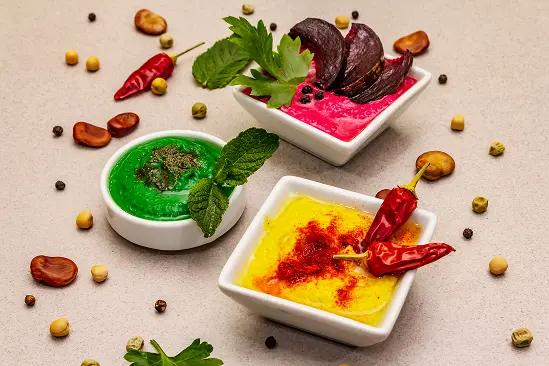
While spices connect the restaurant to India, local produce ensures freshness. The Crossing sources seasonal vegetables and herbs from French suppliers known for quality. This local-global collaboration means that the spinach in Saag Aloo is always fresh and vibrant, and the mint in your lemonade tastes alive.
Even meats are carefully selected, with halal-certified options that meet both cultural standards and culinary expectations. The lamb in the korma, for instance, is slow-cooked to tenderness without losing its natural richness.
In-House Sauces: The Hidden Art
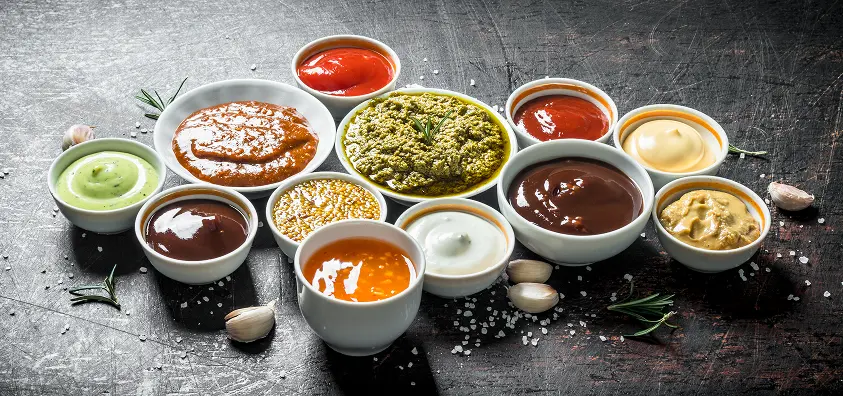
What ties Indian dishes together is often the sauce—a textured, layered reduction of spices, nuts, cream, and aromatics. At The Crossing, sauces are not poured. They are built. Each base is a slow simmer of ingredients allowed to release, evolve, and merge.
The tomato-cashew gravy for the butter chicken is a masterclass in balance: sweet, tangy, buttery, and bold. The yoghurt curry in the lamb korma is tempered, never too sharp. And even the tamarind chutney is more than a side; it’s a vivid expression of depth and contrast.
Seasonal Innovation Meets Tradition
Paris has taught The Crossing the art of seasonality. While many dishes remain staples, others evolve. The result? A menu that honors tradition while remaining alive. In spring, lighter dishes shine; in winter, the richness of dal and korma becomes more pronounced.
This approach also impacts sourcing. Ingredients like mango are reserved for times when they can be at their best. The Mango Serradura, for example, is only featured when the fruit reaches peak ripeness, ensuring every spoonful is as sun-drenched as Goa itself.
Why Quality Ingredients Matter in Indian Cuisine
Indian cuisine is complex. With its long cooking processes, diverse spices, and fine balance of sweet, sour, spicy, and savory, poor ingredients can quickly lead to poor outcomes. The Crossing understands that each element must shine.
Using second-rate ghee? Your dal will be flat. Weak turmeric? Your curry will lack body. That’s why The Crossing invests in its pantry the way a luxury house might invest in fabric. The result is food that feels alive—from the inside out.
A Kitchen That Balances Craft and Chemistry
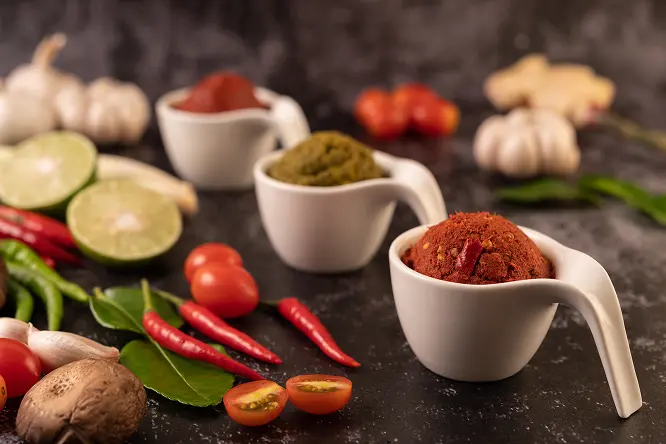
Behind the scenes, The Crossing’s kitchen is equal parts spice lab and artist’s studio. Every sauce is tested, every combination tasted, and nothing is left to chance. There is an alchemy in Indian food that goes beyond following a recipe. It’s about harmony. The Crossing’s kitchen doesn’t aim to recreate India’s past—it seeks to reinterpret it with every ingredient.
We don’t hide behind the sauce. We build it to reveal the soul of every dish. – A member of the kitchen team once said
What Sets The Crossing Apart
Lots of places serve Indian food. But very few approach it as a craft. The Crossing is that rare place where sourcing, blending, and building each dish becomes an act of reverence. It’s why diners trust that every plate will surprise and satisfy. It’s also why the restaurant is consistently named among the best Indian restaurants in Paris.
Great Indian food begins with great ingredients. At The Crossing, spices are sacred, sauces are sculpted, and sourcing is done with care. It’s this behind-the-scenes magic that turns every meal into a celebration of India’s depth and diversity.
For those in search of the best Indian cuisine in Paris, the answer doesn’t just lie in the menu. It lies in the ingredients that built it.


