

The Cultural Mission Behind The Crossing
Every serious restaurant begins with a question. Not about profit, scale, or trend—but about purpose. Why does this place need to exist? What gap does it fill that food alone cannot? At The Crossing, the answer has never been about representing India in its entirety, nor about impressing Paris with spectacle. Its mission is quieter, and far more demanding.
For diners seeking the best Indian food in Paris, The Crossing offers something rare: a restaurant guided by cultural responsibility rather than performance. Frequently recognised as a best Indian restaurant Paris reference, it does not aim to display India, but to translate it—carefully, honestly, and with restraint. The cultural mission behind The Crossing is not declared loudly. It is practiced daily.
This article explores that mission, and why it matters now.
Table of Contents
- Why The Crossing Exists at All
- Translation Over Representation
- Movement, Migration, and Cultural Exchange
- Restraint as Cultural Integrity
- Building Trust Through Repetition
- The Crossing’s Place in Paris
- Why This Cultural Mission Matters Today
Why The Crossing Exists at All
The Crossing was not conceived as an answer to demand. It was conceived as a response to misunderstanding.
Indian food outside India has often been flattened—reduced to a narrow set of expectations around richness, spice, and nostalgia. This version rarely reflects how Indians actually eat, nor how Indian cuisine evolved historically.
The Crossing exists to correct that imbalance. Its mission is not expansion, but precision. To show that Indian food can be calm, composed, and repeatable—qualities diners increasingly associate with the best Indian food Paris has to offer.
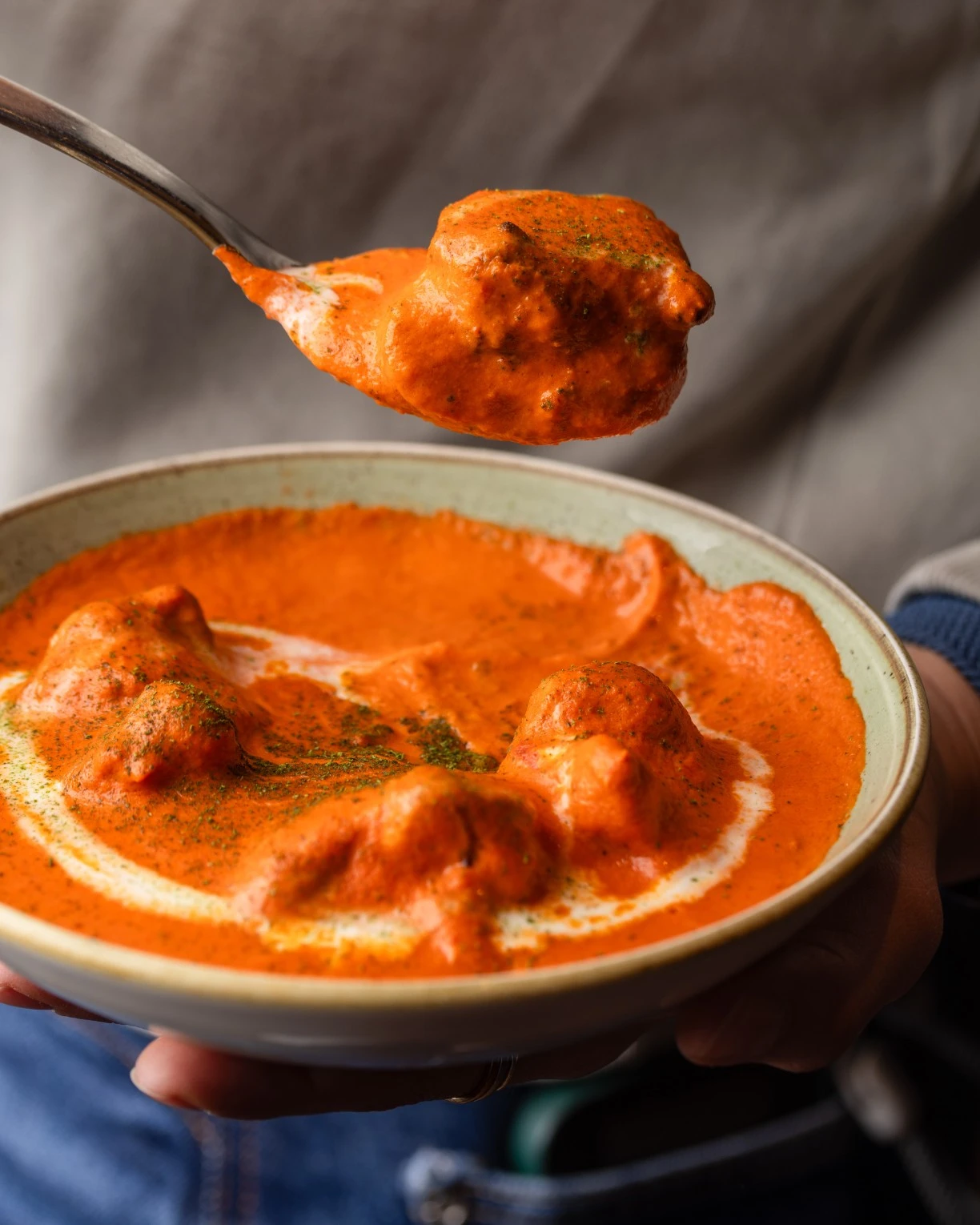
Translation Over Representation
Representation suggests completeness. Translation suggests judgment.
The Crossing chooses translation. It does not attempt to show all of India on one menu. Instead, it presents a way of thinking about Indian food—rooted in everyday cooking, regional logic, and lived experience.
This approach avoids caricature. It allows dishes to feel at home in Paris rather than staged for it. Translation respects both cultures involved, which is why the restaurant resonates so strongly with diners who value authenticity defined by coherence, not quantity.
Movement, Migration, and Cultural Exchange
Indian cuisine has always moved.
Recipes travelled with people—across states, climates, and borders. They adapted quietly, absorbing new ingredients and habits without losing their core logic. The Crossing is built on this understanding of food as migratory.
Named after India’s railway crossings—places of pause and exchange—the restaurant reflects this philosophy structurally. Dishes reference journeys rather than destinations. This framing aligns naturally with Paris, a city shaped by layers of movement and return.
Restraint as Cultural Integrity
Restraint is often mistaken for limitation. At The Crossing, it is protection.
By editing rather than amplifying, the kitchen preserves the integrity of Indian flavours. Spices are measured. Techniques are respected. Excess is resisted.
This restraint is cultural as much as culinary. It prevents Indian food from being misread as aggressive or indulgent by default. Instead, it reveals balance—an essential quality of the best Indian restaurants in Paris that earn trust rather than demand attention.
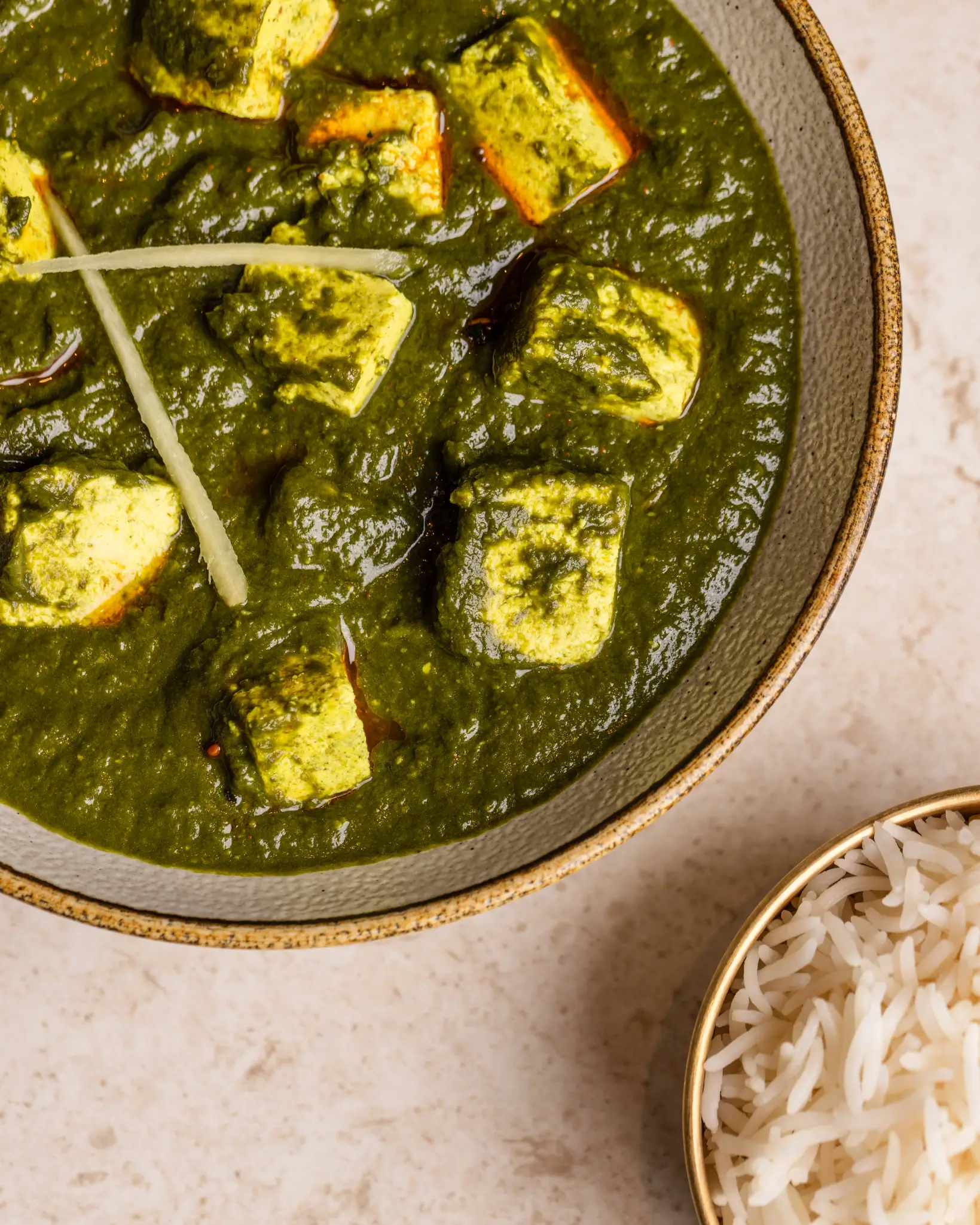
Building Trust Through Repetition
Cultural mission is meaningless without consistency.
The Crossing is designed for return visits. Meals are structured to be eaten regularly, not once. This reflects how Indian food functions in everyday life—supportive, familiar, and dependable.
Trust is built when dishes taste right on a Tuesday afternoon and a Saturday evening. This reliability transforms cultural intention into lived experience, distinguishing the restaurant from places driven by novelty alone.
The Crossing’s Place in Paris
Paris does not reward loudness. It rewards clarity.
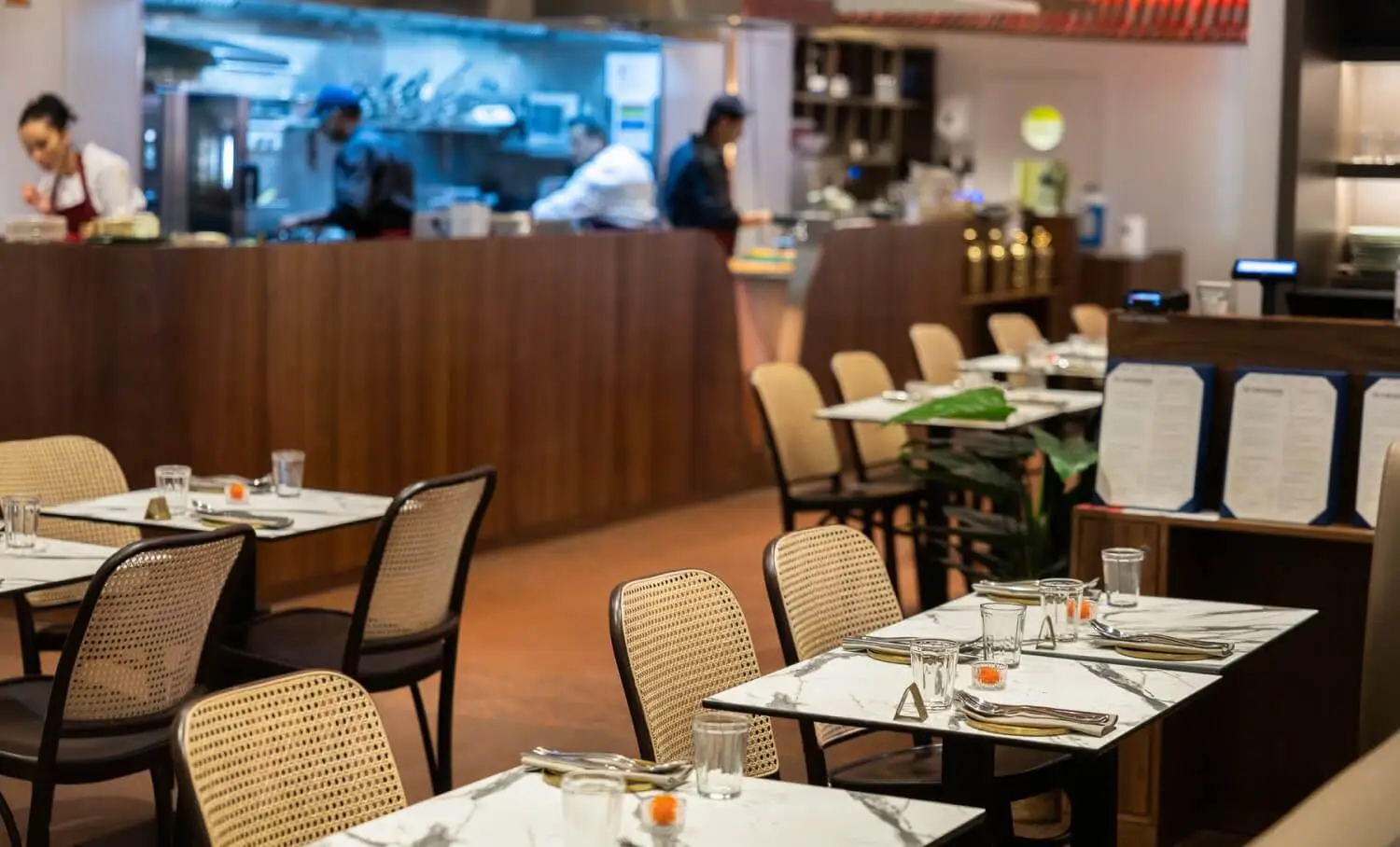
Within this context, The Crossing occupies a specific role. It offers Indian cuisine that belongs naturally to the city’s dining rhythm—balanced, composed, and confident. Its location inside Galeries Lafayette Le Gourmet reinforces this integration, positioning Indian food alongside global cuisines without apology or explanation.
This sense of belonging is central to the restaurant’s cultural mission. Indian food here is not an exception. It is part of the city’s everyday language.
Why This Cultural Mission Matters Today
In an era of constant branding, cultural mission risks becoming rhetoric.
At The Crossing, it remains operational. It shapes menu decisions, pacing, plating, and tone. It ensures that Indian cuisine is presented not as memory frozen in time, but as a living practice capable of adapting without erasure.
For diners exploring the best Indian food in Paris, this matters deeply. It explains why the experience feels grounded rather than performative. Why the food satisfies without spectacle. Why the restaurant earns loyalty rather than curiosity alone.
The Crossing’s cultural mission is simple, but exacting: to let Indian food speak in its own measured voice, within a Parisian context that understands restraint. In doing so, it offers not just a meal, but a way of seeing Indian cuisine clearly—perhaps for the first time.


