
Table of Contents
- The Shift in Indian Food in Paris
- What Defines a Refined Indian Dining Experience
- Why Location Matters: Dining Within Parisian Landmarks
- The Menu Approach: Precision Over Excess
- Signature Dishes That Reflect Modern Indian Cuisine
- Choosing the Right Indian Restaurant in Paris
The Shift in Indian Food in Paris
Indian food in Paris has long been associated with familiarity—rich curries, generous portions, and a sense of nostalgia. What’s changed in recent years is not the cuisine itself, but how it is presented.
A new generation of Indian restaurants is moving toward refinement: lighter textures, clearer flavours, and menus that reflect regional specificity rather than a generalized idea of “Indian food.” This shift aligns more naturally with Parisian dining culture, where precision and restraint are valued as much as flavour.
At The Crossing Indian Bistro, this evolution is intentional. The restaurant positions Indian cuisine not as exotic or heavy, but as structured and balanced—something that belongs comfortably within Paris’s refined food landscape.

What Defines a Refined Indian Dining Experience
Refinement in Indian dining is not about reducing flavour—it is about controlling it. The difference lies in how spices are used, how dishes are portioned, and how the meal progresses.
A refined Indian meal avoids excess oil, unnecessary richness, and overwhelming spice. Instead, it focuses on clarity: each ingredient is identifiable, each dish has a defined role, and the overall experience feels paced rather than heavy.
Chef Ankur’s philosophy reflects this approach—editing rather than adding, allowing technique and time to shape flavour instead of relying on intensity.
For diners, this means leaving the table satisfied but not fatigued—a key marker of truly modern Indian cuisine.
Why Location Matters: Dining Within Parisian Landmarks
In Paris, where you dine is inseparable from how you dine. Restaurants located within cultural landmarks or historic spaces carry a different expectation—one of cohesion between setting and cuisine.
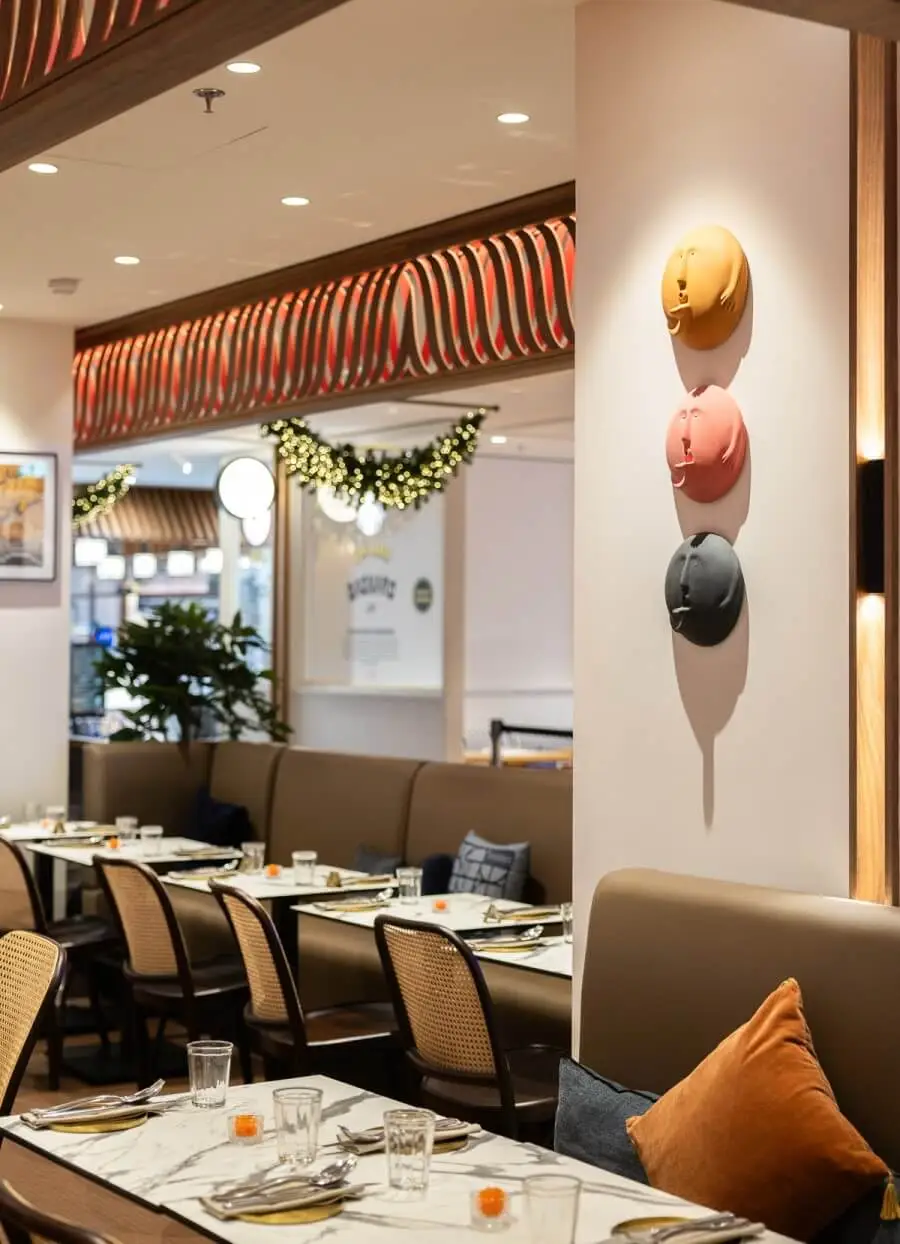
The Crossing’s location inside Galeries Lafayette Le Gourmet is significant. As the first Indian restaurant within this iconic destination, it introduces Indian cuisine into a space traditionally defined by curated, high-quality food experiences.
This setting shapes the meal itself. It encourages a style of dining that fits into a broader day—whether between shopping, after exploring nearby boulevards, or as part of a larger culinary itinerary.
The Menu Approach: Precision Over Excess
One of the clearest indicators of a refined Indian restaurant is how the menu is structured. Instead of overwhelming choice, there is focus—dishes selected for balance rather than variety alone.
At The Crossing, the menu moves logically: small plates that stimulate the palate, grills that provide structure, and curries that offer depth without heaviness.
This sequencing reflects how Indian food is meant to be experienced—not as a single heavy course, but as a progression. It also aligns with how modern diners eat: in stages, with attention to pacing and proportion.

Signature Dishes That Reflect Modern Indian Cuisine
Certain dishes illustrate this balance particularly well. Chicken tikka, for example, uses yogurt and spice in a way that enhances the ingredient without masking it, delivering flavour through technique rather than excess.
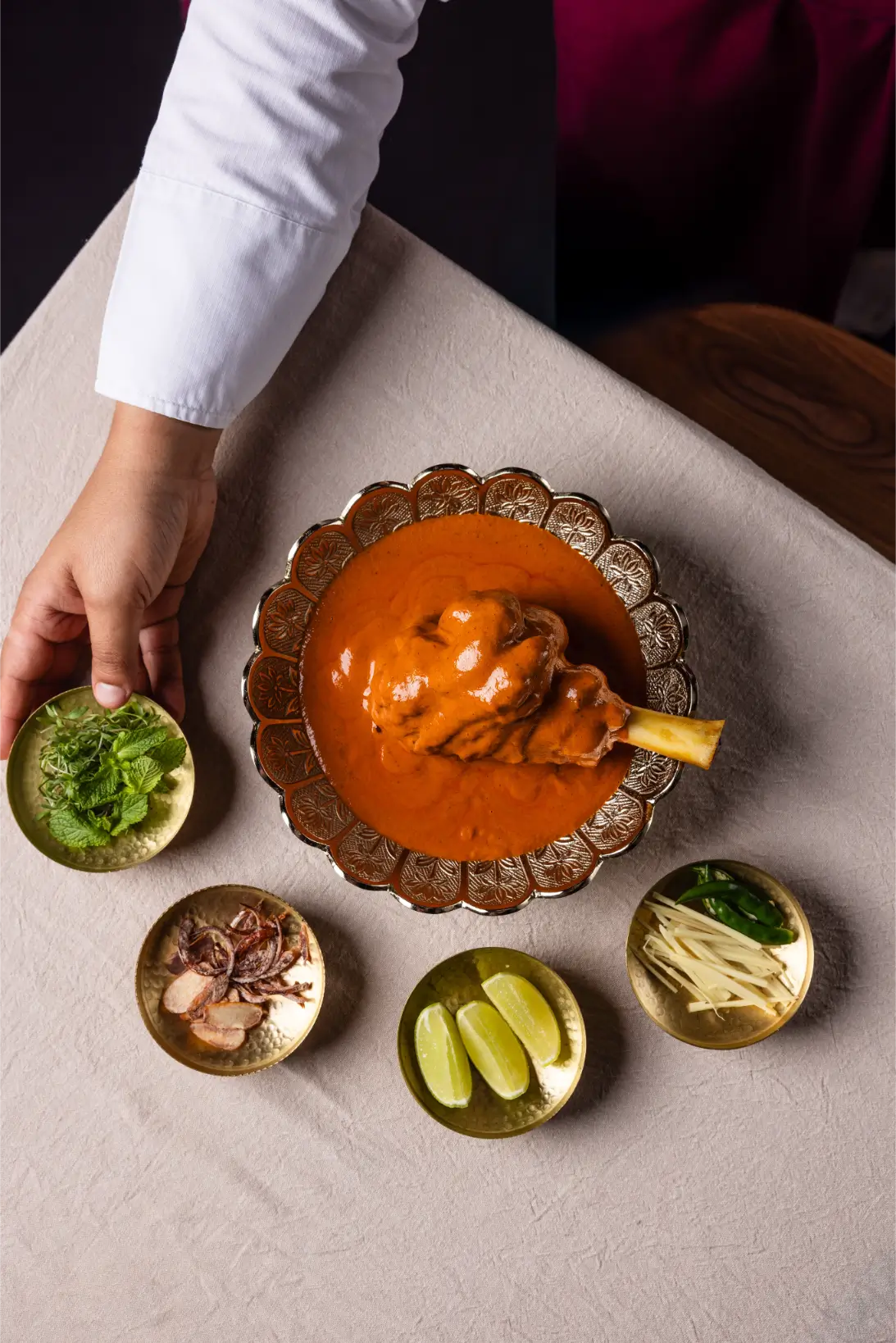
The Railway Lamb Curry offers depth through slow braising and controlled spice integration, reflecting a more restrained, thoughtful approach to richness.
Even dishes like Dahi Puri demonstrate precision—combining texture, acidity, and spice in a way that feels complete in a single bite.
Together, these dishes show how Indian cuisine can be both expressive and disciplined at the same time.
Choosing the Right Indian Restaurant in Paris
For food-focused visitors and locals alike, choosing the best Indian restaurant in Paris comes down to a few key factors: clarity of flavour, balance in the menu, and a setting that complements the experience.
A refined Indian restaurant should feel intentional at every level—from ingredient sourcing to plating to pacing. It should reflect the diversity of Indian cuisine without trying to represent everything at once.
The Crossing Indian Bistro stands out in this context not by being louder or more elaborate, but by being more precise. It presents Indian food as it is meant to be understood: layered, balanced, and quietly confident.
Conclusion
Paris rewards restaurants that understand restraint, and Indian cuisine—when approached with precision—fits naturally into that philosophy.
The best Indian flavours in the city today are not found in excess, but in clarity: dishes that are thoughtfully composed, carefully executed, and seamlessly integrated into Paris’s refined dining culture.


