
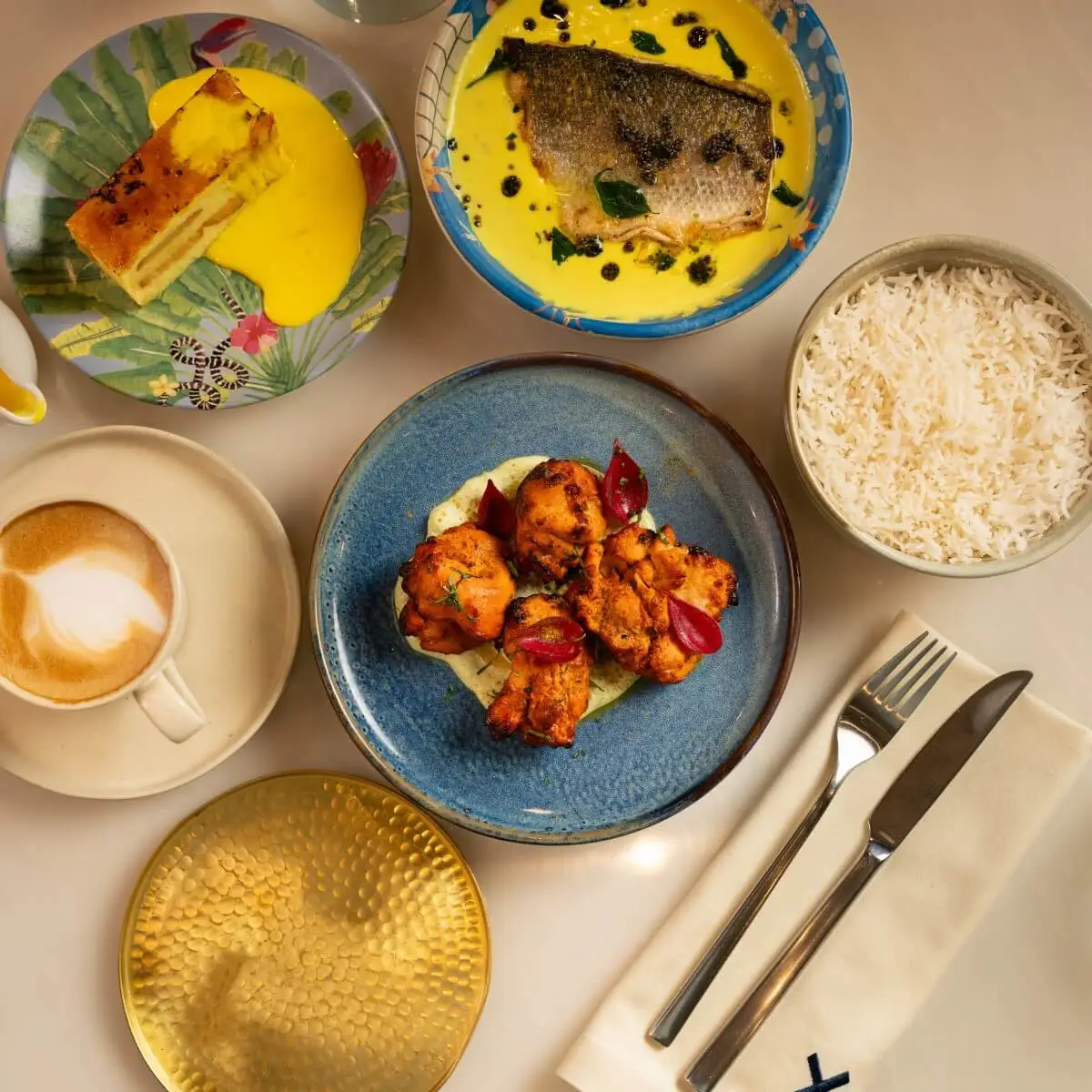
The Art of Modern Indian Plating
For decades, Indian food presentation has been burdened by expectation. Overflowing bowls, crowded plates, and visual excess became shorthand for generosity, even authenticity. Yet this image rarely reflected how Indian food was actually cooked or eaten in everyday life. Modern Indian plating is not a rejection of tradition—it is a return to clarity.
For diners seeking the best Indian food in Paris, plating has become an unexpected but powerful signal of quality. Not because food must look minimalist or dramatic, but because how a dish is presented reveals how deeply it has been understood. At restaurants like The Crossing, often regarded as a best Indian restaurant Paris reference, plating is treated as a continuation of cooking, not an afterthought.
Modern Indian plating is not about decoration. It is about intention.
Table of Contents
- Why Indian Food Was Historically Misplated
- Plating as an Extension of Technique
- Space, Portion, and Visual Balance
- Modern Plating Without Losing Identity
- How Paris Influenced Indian Presentation
- The Crossing’s Philosophy of the Plate
- Why Plating Still Matters at the Table
Why Indian Food Was Historically Misplated
Indian food did not arrive in global restaurants with its everyday context intact.
In homes, food was served communally. Bowls were shared. Plates were functional rather than expressive. When this cuisine moved into restaurants abroad, generosity became visualised through abundance—larger portions, layered garnishes, crowded surfaces.
Over time, this approach distorted perception. Indian food appeared heavy even when it wasn’t. Subtle dishes lost definition. The best Indian food Paris diners respond to today moves away from this confusion, favouring plates that allow food to be seen—and understood.

Plating as an Extension of Technique
Good plating begins long before the plate.
It starts with how a sauce is reduced, how a protein is rested, how vegetables are cut. When technique is precise, plating becomes simple. There is nothing to hide.
Modern Indian kitchens increasingly recognise this. Rather than compensating for imbalance with garnish, they allow the structure of the dish to lead. This approach mirrors French culinary logic, making it particularly resonant in Paris, where diners equate visual clarity with confidence.
Space, Portion, and Visual Balance
One of the most significant shifts in modern Indian plating is the use of space.
Negative space allows colour, texture, and form to breathe. Portions are deliberate rather than defensive. Each element on the plate has a reason to be there.
This does not signal restraint for its own sake. It signals respect for the eater. Meals feel lighter not because less food is served, but because the eye and palate are not overwhelmed. This is a defining quality of the best Indian restaurants in Paris today.
Modern Plating Without Losing Identity
Modern Indian plating does not mean Westernisation.
The danger lies in stripping dishes of their character in pursuit of minimalism. Thoughtful plating retains identity through colour, texture, and composition. A curry still flows. A naan is still torn, not sculpted. Rice remains a foundation, not an accent.
The goal is coherence, not conformity. Indian food holds its voice while adapting its presentation to contemporary dining environments. This balance separates genuine evolution from trend-driven imitation.

How Paris Influenced Indian Presentation
Paris has always shaped how food is read visually.
Here, plates are expected to communicate intent. Excess is questioned. Editing is admired. Indian restaurants that succeed in Paris respond to this cultural literacy without erasing themselves.
Modern Indian plating in Paris reflects dialogue rather than dominance. It aligns Indian food with the city’s expectations of balance and proportion while preserving its warmth. This dialogue is central to why certain restaurants emerge as best Indian restaurant Paris references rather than curiosities.
The Crossing’s Philosophy of the Plate
At The Crossing, plating is guided by logic, not trend.
Dishes are composed to reflect how they are meant to be eaten. Sauces support rather than flood. Garnishes are functional, never ornamental. Portions encourage completion, not endurance.
This approach mirrors the restaurant’s broader philosophy: innovative Indian food inspired by India, shaped through editing rather than embellishment. The plate becomes a quiet communicator of restraint, reinforcing why The Crossing continues to be recognised among the best Indian restaurants in Paris.
Why Plating Still Matters at the Table
Plating shapes expectation before the first bite.
A composed plate invites attention. It suggests care, judgment, and intention. For Indian cuisine, long burdened by visual excess, modern plating offers recalibration.
For diners exploring the best Indian food in Paris, this matters more than aesthetics. It explains why a meal feels complete rather than tiring, generous rather than heavy.
The art of modern Indian plating is not about changing what Indian food is. It is about allowing it to be seen clearly—often for the first time.


