

Lunch or Dinner? The Best Time to Experience One of the Best Indian Restaurants in Paris
In Paris, when you eat is often as important as where. Meals are not simply scheduled—they are shaped by rhythm, energy, and intent. Lunch has its own logic. Dinner another entirely. Understanding this distinction transforms not only how you eat, but how you experience a restaurant.
For those seeking the best Indian food in Paris, The Crossing offers a rare clarity of purpose across the day. Rather than forcing a single identity from noon to night, it allows time to shape the experience. This is one of the reasons it is frequently regarded as a best Indian restaurant Paris reference—not because it insists on a “perfect moment,” but because it respects many.
So when is the best time of day to dine at The Crossing? The answer depends less on the clock, and more on how you want the meal to live within your day.
Table of Contents
- Why Timing Matters in Paris Dining
- Lunch as Restoration, Not Interruption
- The Midday Menu and Its Quiet Precision
- Who Lunch at The Crossing—and Why
- Dinner as Unfolding, Not Occasion
- Evening Atmosphere and Menu Rhythm
- How the Same Dish Feels Different by Night
- Choosing the Right Time for Your Intent
- Why The Crossing Works Across the Day
- Final Thoughts on Dining by Rhythm
Why Timing Matters in Paris Dining
Paris does not eat continuously. It pauses, then resumes.
Meals are embedded into the structure of the day. Lunch supports work, walking, and errands. Dinner supports reflection, conversation, and return. Restaurants that ignore this distinction feel out of step.
The best Indian restaurants in Paris succeed because they adapt to these shifts. The Crossing is designed with this awareness—allowing the same kitchen to express itself differently depending on the hour.

Lunch as Restoration, Not Interruption
Lunch in Paris is rarely theatrical.
It exists to restore energy without exhausting it. This makes balance essential. Heavy, indulgent food shortens the day; light, thoughtful food extends it.
Indian cuisine, when cooked with restraint, excels here. Lentils, vegetables, gently spiced proteins, and rice form meals that nourish rather than overwhelm. This is why many consider The Crossing among the best Indian food Paris offers for midday dining.
The Midday Menu and Its Quiet Precision
At lunch, clarity is the priority.
Smaller plates establish contrast without commitment. Curries are composed rather than stacked. Portions are intentional. The menu encourages focus—one or two dishes that satisfy without distraction.
This precision reflects a deep understanding of how people actually eat at noon. It is not about showing range, but about supporting the hours that follow.
Who Lunch at The Crossing—and Why
The lunch crowd at The Crossing is revealing.
Office workers from nearby streets. Shoppers taking a measured pause. Locals who know they will return to work or walking afterward. These diners value reliability and pacing over novelty.
Their presence explains much about the restaurant’s reputation. The best Indian restaurant Paris regulars trust is one that fits seamlessly into real life.
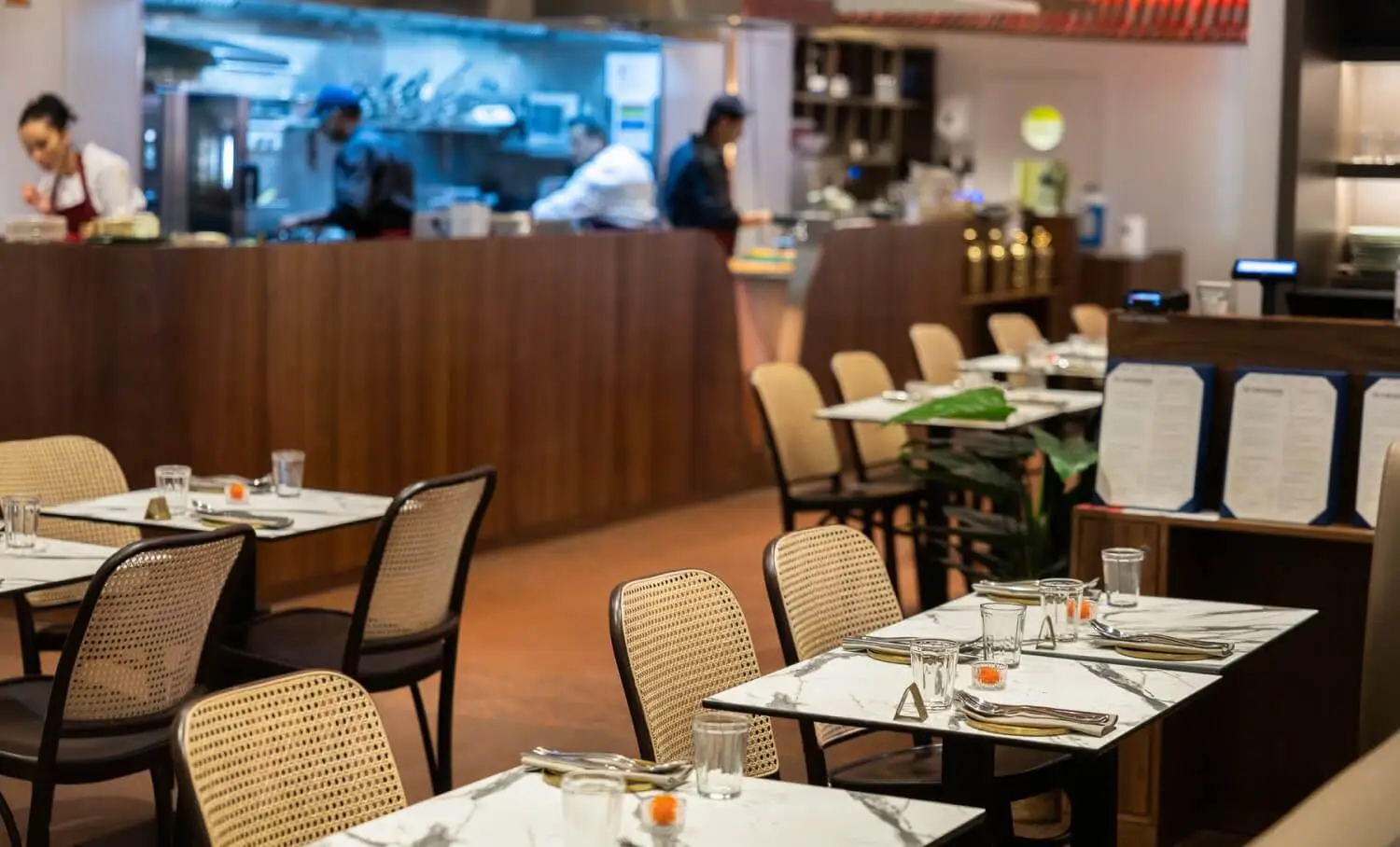
Dinner as Unfolding, Not Occasion
Dinner allows more time, but not excess.
At The Crossing, evening meals unfold gradually. Dishes arrive in sequence. Conversation expands. The day’s urgency recedes.
Unlike restaurants that reserve complexity for dinner only, The Crossing uses the evening to deepen—not complicate—the experience. This distinction is subtle, but essential.
Evening Atmosphere and Menu Rhythm
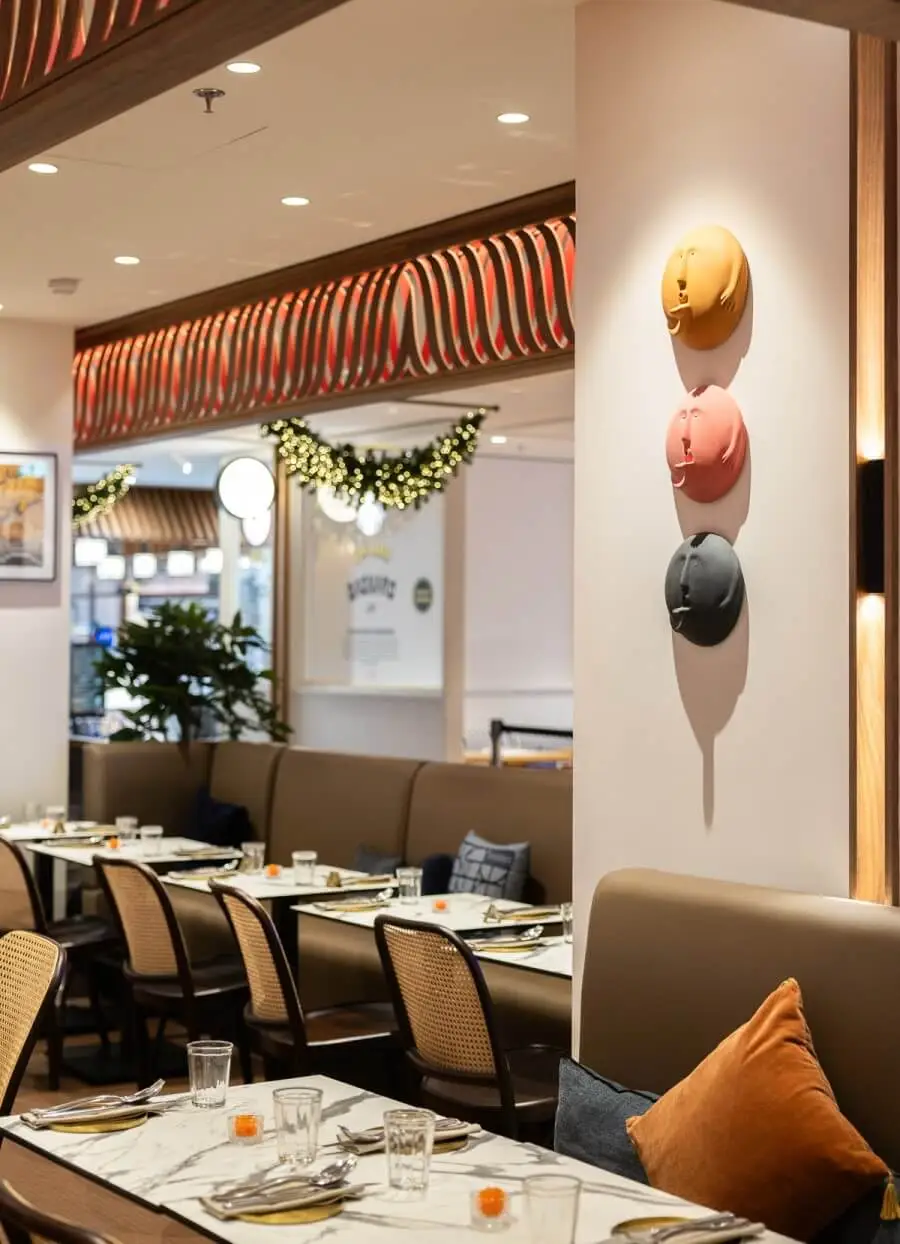
As evening settles, the restaurant’s energy shifts.
The menu invites sharing. Grilled dishes take on greater prominence. Curries feel more meditative, their depth unfolding over time rather than demanding attention.
This rhythm mirrors how Indian food is meant to be eaten: slowly, collectively, and with space between bites. It is a key reason the restaurant continues to be recognised among the best Indian restaurants in Paris.
How the Same Dish Feels Different by Night
A dish does not exist in isolation from time.
Butter chicken at lunch comforts. At dinner, it anchors. Railway lamb curry restores at midday; by night, it invites reflection. The flavours are unchanged, yet the experience shifts.
This phenomenon speaks to the kitchen’s discipline. Dishes are built to adapt to context—an often overlooked marker of the best Indian food Paris diners appreciate subconsciously.
Choosing the Right Time for Your Intent
The best time to dine depends on what you need from the meal.
Choose lunch if you want clarity, efficiency, and renewal. Choose dinner if you want depth, conversation, and unhurried pacing. Neither is superior; each serves a different purpose.
The Crossing’s strength lies in honouring both without compromise.
Why The Crossing Works Across the Day
Consistency without rigidity is rare.
The Crossing achieves it by editing rather than expanding. The same principles—restraint, balance, intention—govern every service. What changes is emphasis.
This adaptability explains why the restaurant resonates with such a wide range of diners and why it remains a best Indian restaurant Paris reference across occasions.
Final Thoughts on Dining by Rhythm
In Paris, dining well means listening to the day.
The best meals support what comes before and what follows. The best restaurants understand timing as an ingredient, not an afterthought.
At The Crossing, there is no single “perfect” time to dine—only the moment that fits your rhythm. And that sensitivity to time is what ultimately defines its place among the best Indian food in Paris.


