

The Forgotten Recipes Revived by The Crossing
Not all recipes are written down. Some survive only because someone remembered to cook them again. In Indian cuisine, the most meaningful dishes were often never formalised—passed instead through repetition, intuition, and necessity. Over time, many of these recipes slipped quietly out of daily life, displaced by convenience, spectacle, or standardisation.
For diners searching for the best Indian food in Paris, the idea of “forgotten recipes” may sound romantic. In practice, it is far more practical. These dishes were designed to be eaten often, cooked patiently, and trusted implicitly. Restaurants like The Crossing, frequently recognised as a best Indian restaurant Paris reference, do not revive these recipes for nostalgia’s sake. They revive them because they still work.
This is a look at the forgotten recipes that shape The Crossing’s kitchen—and why their return feels so relevant in Paris today.
Table of Contents
- What Makes a Recipe “Forgotten”
- Why Everyday Indian Cooking Disappeared
- Memory, Movement, and the Railway Kitchen
- Recipes Built on Time, Not Luxury
- The Value of Editing, Not Reinvention
- Forgotten Curries and Quiet Techniques
- Why These Recipes Suit Paris
- How The Crossing Revives Without Freezing
- Trust, Repetition, and Return Visits
- Why Forgotten Recipes Matter Now
What Makes a Recipe “Forgotten”
A forgotten recipe is not necessarily old. It is simply one that no longer fits modern shortcuts.
Many Indian dishes disappeared because they required time, attention, or patience—qualities that don’t scale easily. They were not festive enough for celebration menus, nor dramatic enough for restaurant trends. As a result, they faded quietly.
Ironically, these are often the dishes that define comfort. The best Indian food Paris diners return to shares this quality: it does not demand attention, yet it earns loyalty.
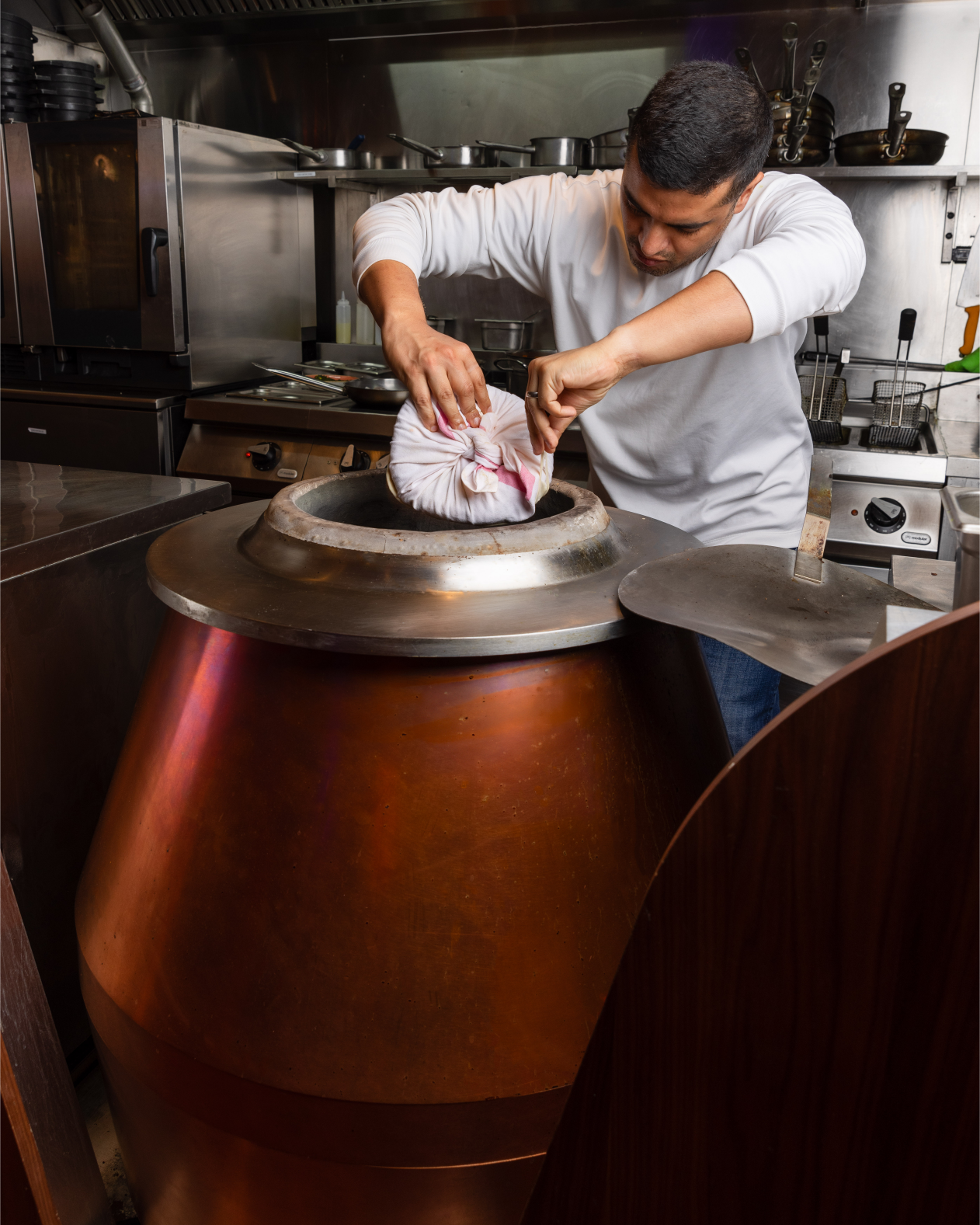
Why Everyday Indian Cooking Disappeared
As Indian cuisine globalised, it simplified.
Menus condensed around recognisable names. Sauces grew richer. Portions expanded. Everyday dishes—lentils cooked slowly, vegetables stewed gently, proteins braised without embellishment—were sidelined.
This shift created a gap between how Indians ate daily and how Indian food was presented abroad. Restaurants that seek to close this gap, like The Crossing, reintroduce recipes that prioritise rhythm over indulgence—an approach increasingly valued among the best Indian restaurants in Paris.
Memory, Movement, and the Railway Kitchen
Many forgotten recipes were born in motion.
Railway kitchens, roadside stalls, and home tiffins produced food designed to travel, wait, and still taste right. Techniques favoured stability over immediacy. Gravies were restrained. Spices were calibrated.
The Crossing’s philosophy—rooted in journeys and pauses—draws directly from this lineage. These recipes are not staged recreations. They are practical foods shaped by movement and memory.
Recipes Built on Time, Not Luxury
Forgotten recipes rarely rely on expensive ingredients.
Their depth comes from process: slow braising, patient simmering, careful tempering. Time does the work that excess spice or fat often replaces.
This is why dishes like slow-cooked lamb curries or long-simmered lentils feel grounding rather than heavy. They reflect a logic that resonates strongly in Paris, where diners recognise craft through restraint. It is a defining trait of the best Indian food Paris has to offer today.
The Value of Editing, Not Reinvention
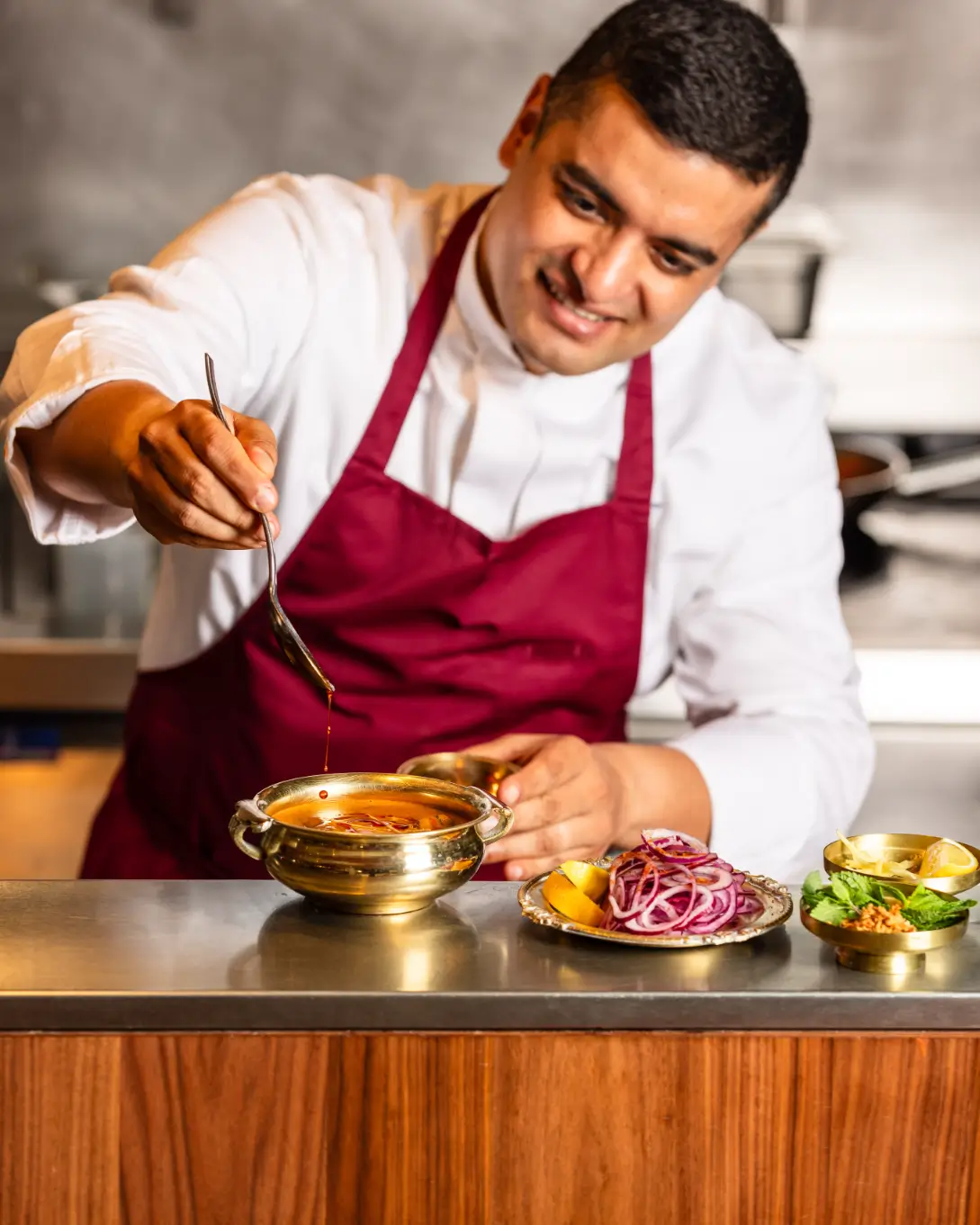
Reviving a recipe does not mean modernising it beyond recognition.
At The Crossing, revival happens through editing. Unnecessary elements are removed. Techniques are respected. Portions are aligned with contemporary dining without altering the dish’s integrity.
This approach ensures that forgotten recipes feel relevant without becoming performative—a balance that places the restaurant among the best Indian restaurant Paris regulars trust.
Forgotten Curries and Quiet Techniques
Some of the most overlooked Indian recipes are curries built on subtlety.
Yoghurt-based gravies, gentle coconut stews, or fennel-scented braises once formed the backbone of regional cooking. These dishes rely on temperature control and sequencing rather than intensity.
Reintroducing them requires confidence. They do not announce themselves loudly. Yet, when executed correctly, they reveal depth over time—exactly the kind of experience Parisian diners appreciate.

Why These Recipes Suit Paris
Paris rewards food that integrates into life.
Forgotten Indian recipes were never designed to overwhelm. They were meant to nourish, repeat, and comfort. This makes them particularly suited to Parisian dining habits, where meals often support long days rather than punctuate them.
The Crossing’s innovative approach to Indian food and drinks, inspired by lived Indian experience rather than trend, allows these recipes to sit naturally alongside the city’s rhythm.
How The Crossing Revives Without Freezing
There is a risk in revival: freezing a recipe in time.
The Crossing avoids this by allowing context to evolve. Ingredients are sourced responsibly. Portions reflect modern expectations. Presentation remains understated.
What stays constant is the logic of the dish. This balance ensures that revival feels alive rather than archival—one reason the restaurant continues to be counted among the best Indian restaurants in Paris.

Trust, Repetition, and Return Visits
Forgotten recipes reveal their value through repetition.
They are not designed to impress once. They are designed to be returned to. This aligns perfectly with how locals choose restaurants—through trust rather than novelty.
At The Crossing, these dishes anchor the menu, encouraging regulars to eat with familiarity rather than anticipation alone.
Why Forgotten Recipes Matter Now
In an age of constant reinvention, forgotten recipes offer clarity.
They remind us that progress does not always mean addition. Sometimes it means recovery. For those exploring the best Indian food in Paris, these dishes provide insight into what Indian cuisine has always done best: feed people well, often, and with intention.
By reviving forgotten recipes without romanticising them, The Crossing ensures they continue to live—not as memories, but as meals.


