
Table of Contents
- Building a Foundation Through Hospitality
- Chef Ankur Chakraborty and a Different Vision of Indian Cuisine
- The Birth of The Crossing
- Bringing Contemporary Indian Dining to Paris
- Evolution Through Purpose
- A Journey That Continues
Every restaurant tells a story.
Some begin with a location. Others begin with a recipe. The story of Lemon Butter began with a question: how can hospitality create experiences that feel both memorable and meaningful?
Long before The Crossing opened its doors in Paris, Lemon Butter was building a reputation for creating dining concepts rooted in strong culinary identities, thoughtful hospitality, and a deep understanding of how people connect through food. What followed was not a straight path, but a gradual evolution shaped by experience, experimentation, and a commitment to quality.
Today, that journey finds one of its clearest expressions in The Crossing.
Building a Foundation Through Hospitality
Great hospitality groups are rarely defined by a single restaurant.
Instead, they are built through years of learning what guests value most. Consistency. Trust. Warmth. Quality. The ability to create experiences people want to revisit.
Lemon Butter’s growth emerged from this understanding. Through successful hospitality ventures and restaurant concepts, the group developed an approach that balanced creativity with operational discipline. Rather than chasing trends, the focus remained on building restaurants with clear identities and lasting appeal.
Each concept added another layer of knowledge, helping refine a philosophy that would later shape The Crossing.
The goal was never simply to serve food.
It was to create places people genuinely wanted to return to.
Chef Ankur Chakraborty and a Different Vision of Indian Cuisine
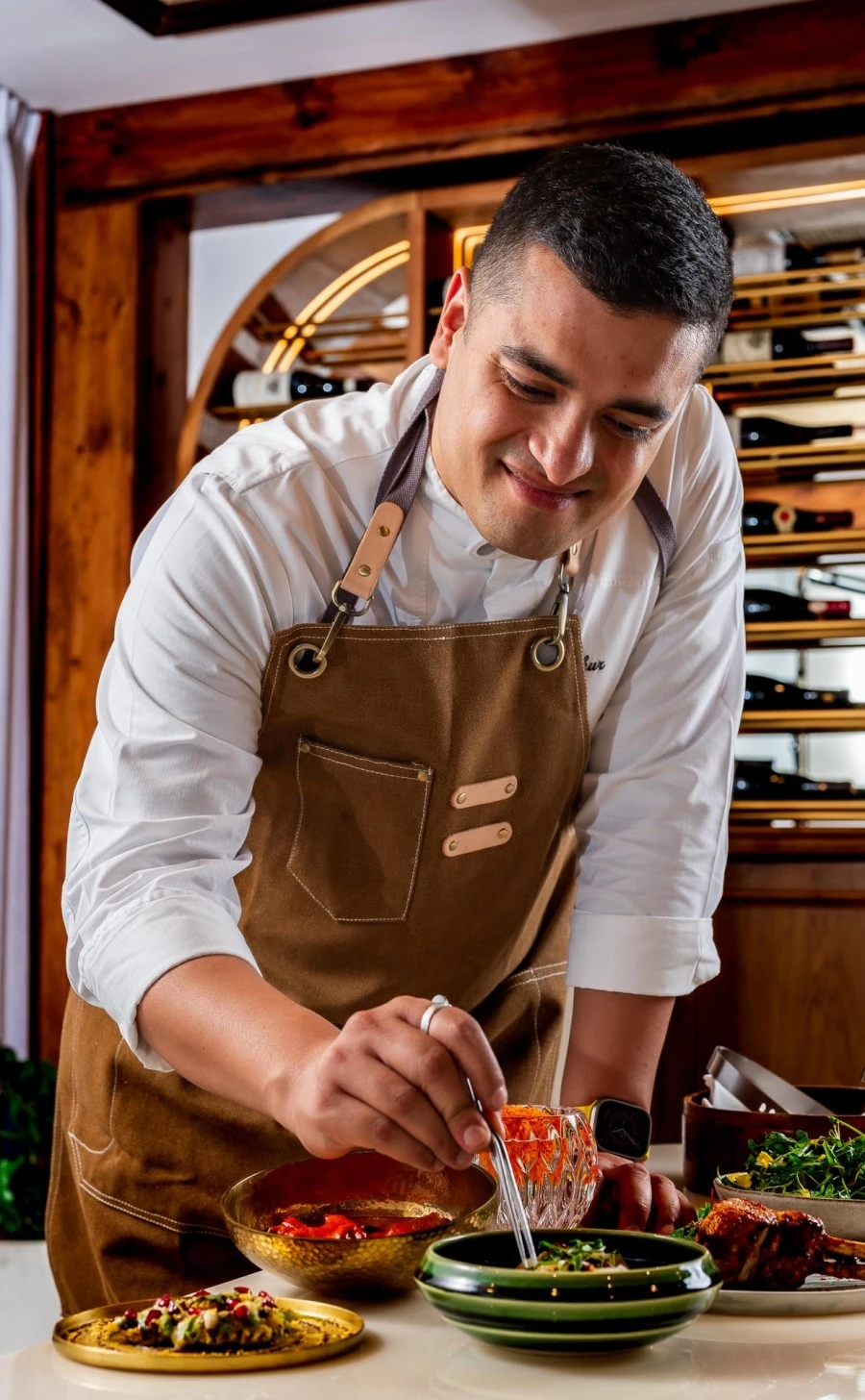
At the centre of this evolution stands Chef Ankur Chakraborty.
Throughout his career, Chef Ankur has championed regional Indian cuisine while emphasising quality ingredients, sustainability, consistency, and thoughtful execution. His approach reflects a belief that Indian food is often most powerful when it is presented with clarity rather than excess.
Having worked alongside Michelin-starred chefs and developed award-winning hospitality concepts, he gained an international perspective while remaining deeply connected to India’s culinary traditions.
That balance between heritage and modernity would eventually become central to The Crossing.
The Birth of The Crossing
Some restaurant concepts emerge from market opportunities.
The Crossing emerged from a personal story.
Inspired by Chef Ankur’s childhood journeys across India’s railway network alongside his father, who worked for the Indian Railways, the restaurant takes its name from the crossings where routes, cultures, and people intersect. These journeys exposed him to the extraordinary diversity of Indian food and the countless regional traditions that existed beyond familiar restaurant menus.
The idea resonated deeply.
Railway crossings became a metaphor for the movement of recipes, ingredients, and culinary traditions across India. They represented connection, discovery, and cultural exchange.
Those same values would become the foundation of the restaurant itself.
Bringing Contemporary Indian Dining to Paris
For Lemon Butter, opening The Crossing in Paris represented more than international expansion.
It was an opportunity to present Indian cuisine in a way that felt natural within one of the world’s most influential dining cities.
Rather than attempting to recreate India, the restaurant seeks to translate it. The menu celebrates regional diversity while embracing a contemporary sensibility rooted in restraint, craftsmanship, and precision. This reflects Chef Ankur’s belief that Indian food is not defined by uniformity but by coexistence—a collection of traditions connected through shared history rather than sameness.
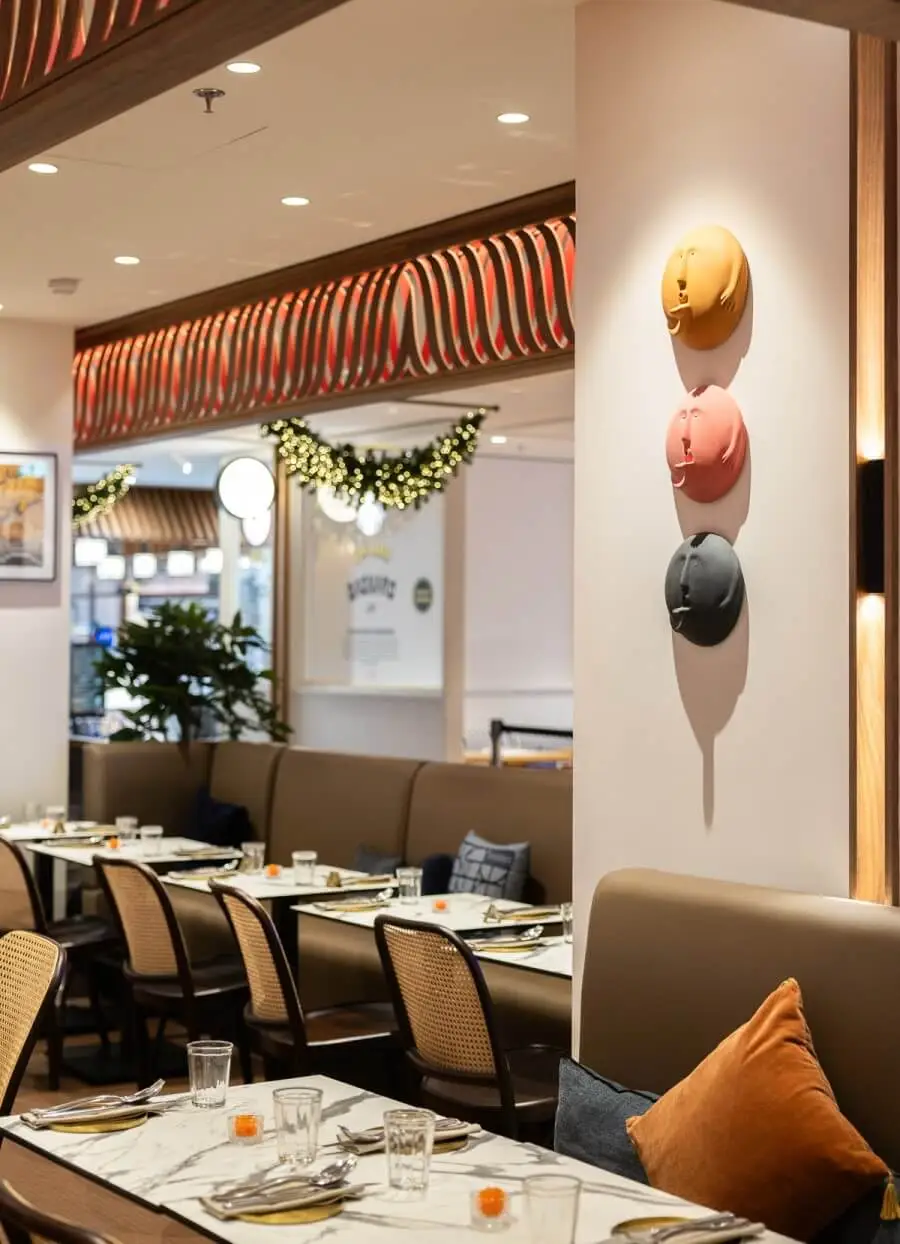
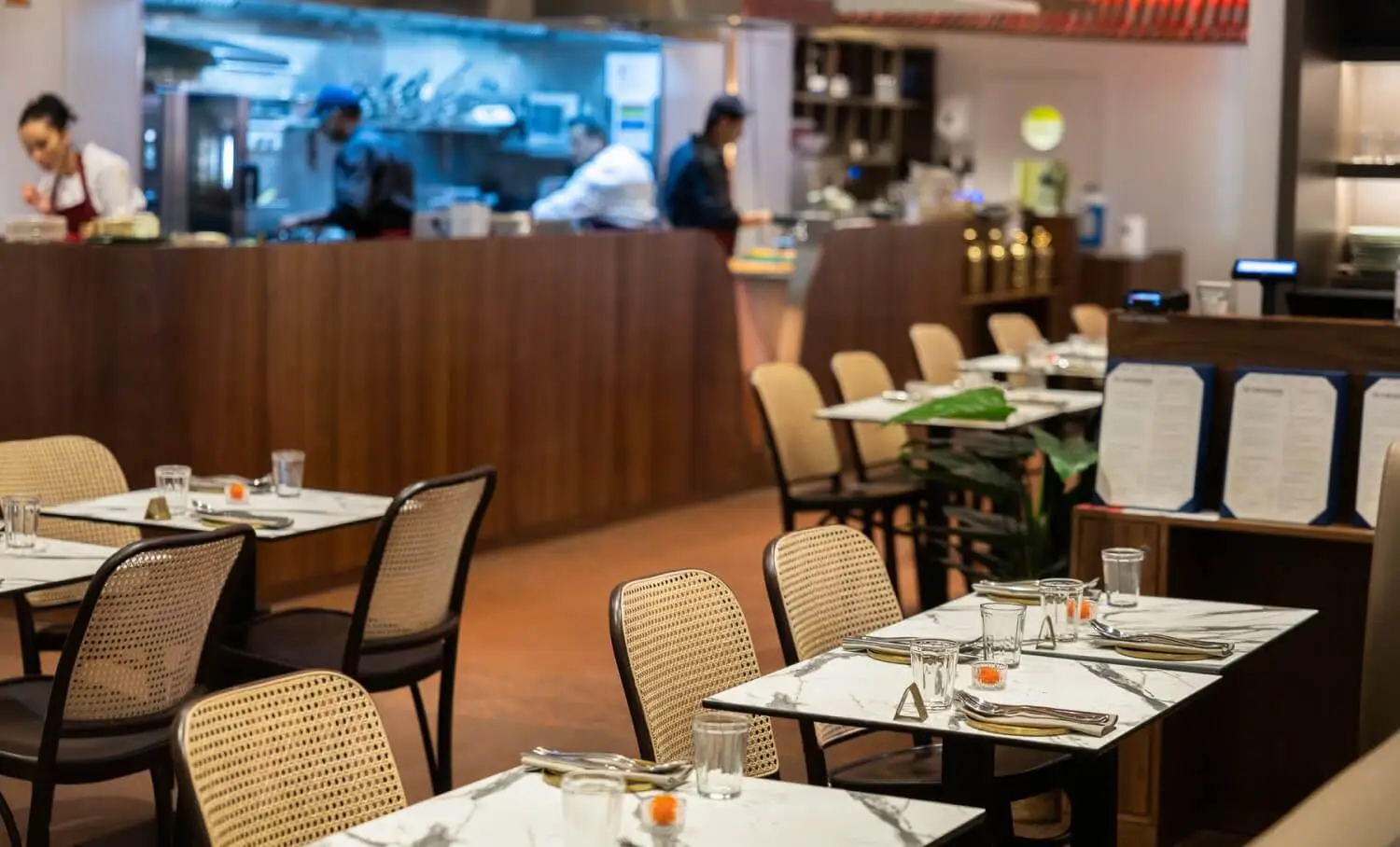
Located inside Galeries Lafayette Le Gourmet, The Crossing became the first Indian restaurant within the iconic destination, introducing a new perspective on Indian dining to Parisian and international audiences alike.
Evolution Through Purpose
What distinguishes successful hospitality groups is not their ability to remain unchanged.
It is their ability to evolve without losing sight of their identity.
The journey from Lemon Butter’s earlier ventures to The Crossing reflects exactly that principle. Each experience contributed to a clearer understanding of what modern diners seek: authenticity without nostalgia, refinement without pretension, and food that tells a story while remaining deeply enjoyable.
That philosophy appears throughout The Crossing—from its ingredient sourcing and regional menu to its railway-inspired narrative and welcoming atmosphere. Every element reflects years of accumulated learning and deliberate choices.
A Journey That Continues
The story of Lemon Butter is still being written.
Hospitality, like cuisine itself, is constantly evolving. New ideas emerge. New guests arrive. New chapters unfold. Yet the values that shaped the journey remain unchanged: respect for ingredients, commitment to craftsmanship, and belief in the power of food to connect people.
The Crossing represents one milestone in that journey, not its destination.
Much like the railway crossings that inspired its name, it is a place where stories meet, cultures intersect, and new journeys begin.
And for Lemon Butter, that spirit of movement continues to guide the road ahead.


