
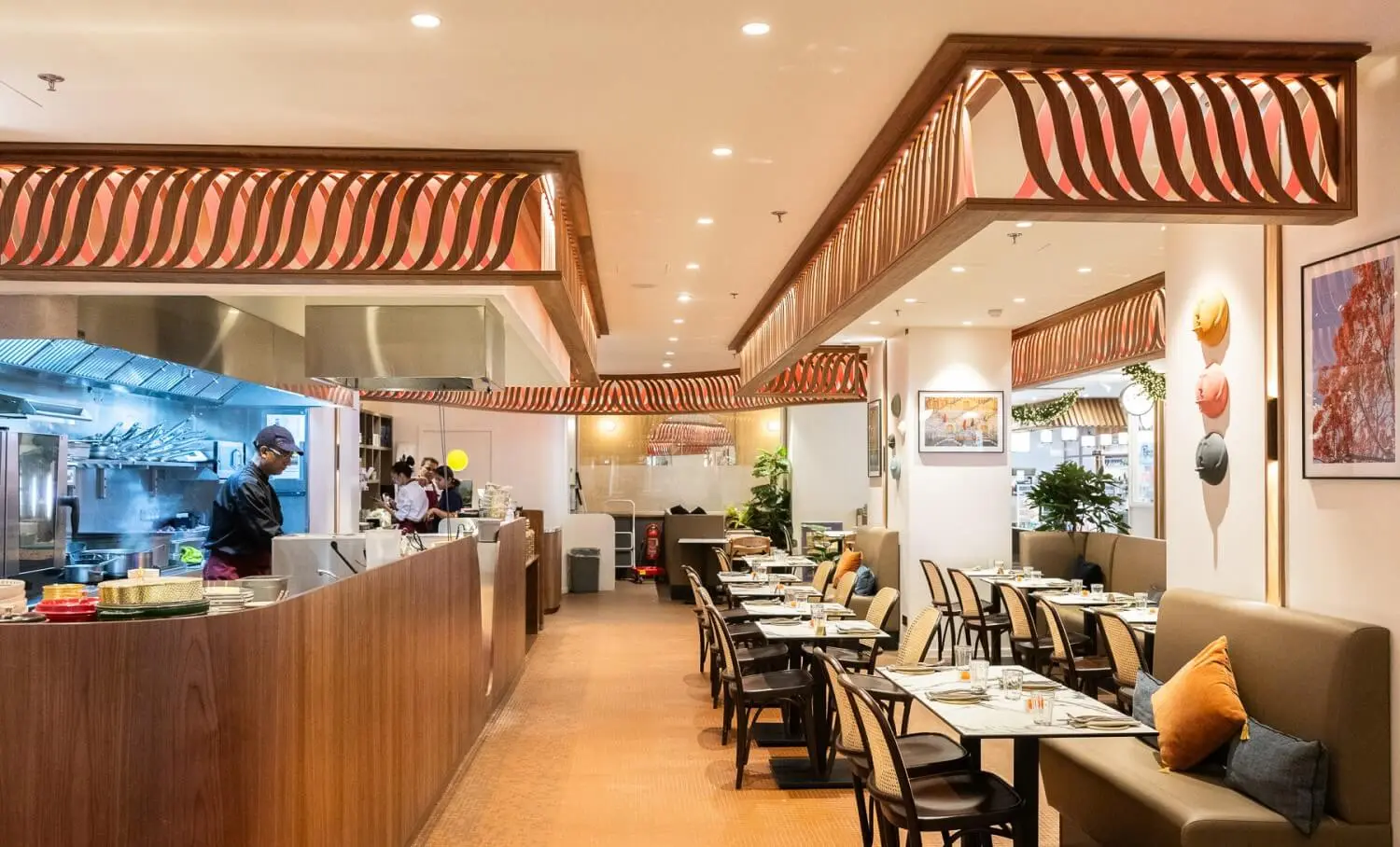
The Role of Memory in Our Culinary Identity—and Why It Shapes the Best Indian Food in Paris
Food is one of the few things we carry intact across time. Long after places change and people move on, taste remains capable of collapsing distance—returning us to kitchens, journeys, and moments we did not realise we were storing. In Indian cuisine, memory is not an abstract idea. It is a working ingredient.
For those seeking the best Indian food in Paris, understanding memory offers a deeper lens through which to judge authenticity. Not as accuracy, not as nostalgia, but as continuity. Restaurants like The Crossing, widely regarded as a best Indian restaurant Paris reference, do not cook from memory to recreate the past. They cook with memory to make food that feels grounded, repeatable, and honest in the present.
Culinary identity, after all, is not built through invention alone. It is built through what we remember to keep.
Table of Contents
- Memory as a Culinary Foundation
- How Repetition Builds Identity
- Movement, Migration, and Remembered Food
- Why Memory Prefers Restraint
- Translating Memory into a Parisian Context
- The Crossing and Cooking with Memory
- Why Memory Still Matters at the Table
Memory as a Culinary Foundation
In Indian households, recipes are rarely memorised word for word. They are absorbed.
A pinch added by instinct. A simmer judged by smell. A dish adjusted because the weather changed. These decisions are informed not by instruction, but by experience layered over time. Memory becomes the framework within which cooking happens.
This is why Indian food resists standardisation. The same dish tastes slightly different from one home to another—not because it is incorrect, but because it reflects lived context. The best Indian food Paris diners encounter often carries this quality: food that feels confident without needing explanation.
How Repetition Builds Identity
Culinary identity is shaped less by celebration than by routine.
The dishes that define us are rarely the ones cooked once a year. They are the ones eaten weekly, sometimes daily. Lentils prepared without drama. Vegetables cooked patiently. Curries adjusted incrementally until they feel right.
Repetition refines judgment. Over time, memory records what works and discards what doesn’t. This process explains why some dishes feel immediately familiar even when encountered far from home. It also explains why the best Indian restaurants in Paris focus on dishes designed for return visits rather than novelty.
Movement, Migration, and Remembered Food
Indian cuisine has always travelled.
As people moved for work, education, or necessity, food travelled with them—not as fixed recipes, but as remembered logic. Ingredients changed. Equipment adapted. What remained constant was intention.
This migratory nature of Indian food makes it uniquely suited to cities like Paris. Here, memory does not compete with context; it converses with it. Restaurants that succeed understand that memory must adapt without being erased—a balance central to the best Indian restaurant Paris experiences.
Why Memory Prefers Restraint
Memory rarely remembers excess.
It remembers balance. It remembers dishes that could be eaten again the next day without fatigue. Indian cooking evolved around this truth. Oil, spice, and richness were calibrated not for impact, but for endurance.
This restraint is often mistaken for simplicity. In reality, it reflects deep confidence. Restaurants that cook with memory resist the urge to amplify flavours unnecessarily. This discipline is one of the quiet markers separating thoughtful cooking from performance—and why restraint defines the best Indian food Paris offers today.
Translating Memory into a Parisian Context
Cooking with memory does not mean ignoring place.
Paris has its own rhythms, expectations, and eating habits. Meals are paced. Balance is prized. Excess is scrutinised. Indian cuisine grounded in memory adapts naturally to these conditions because it was never built on exaggeration.
Translation, not replication, becomes the goal. Dishes retain their logic while adjusting their volume. This approach allows Indian food to feel native rather than imported—an essential quality for restaurants seeking long-term relevance in Paris.
The Crossing and Cooking with Memory
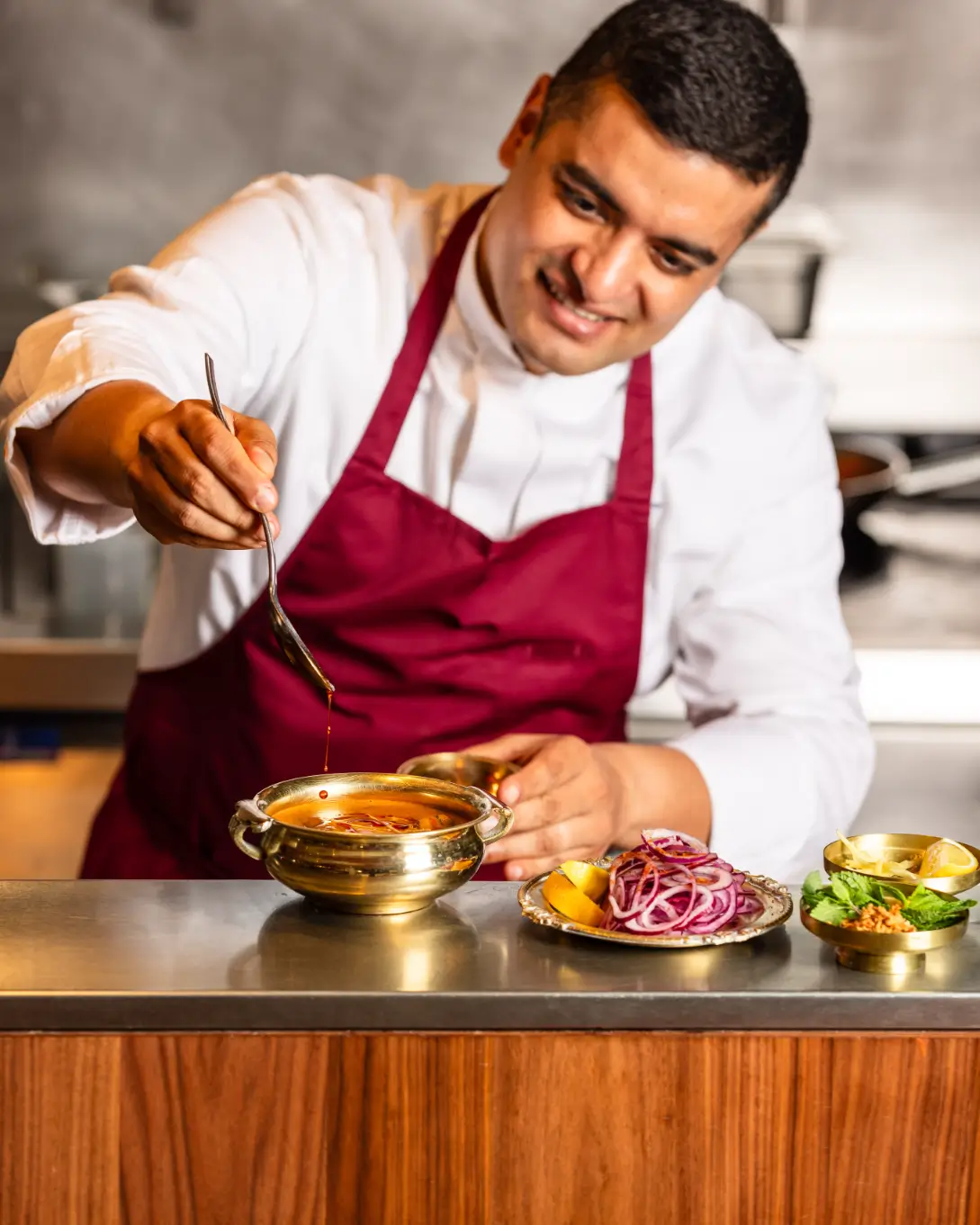
At The Crossing, memory shapes structure rather than sentiment.
Menus reflect everyday Indian logic: composed meals, restrained sauces, dishes that reveal themselves over time. Railway-inspired cooking, tiffin-style balance, and regional techniques appear not as references, but as foundations.
The restaurant’s approach to Indian food and drinks—innovative yet rooted in lived experience—demonstrates how memory can guide modern cooking without becoming static. This is why The Crossing continues to be recognised among the best Indian restaurants in Paris by diners who value trust over novelty.
Why Memory Still Matters at the Table
In an age driven by constant reinvention, memory offers grounding.
It reminds us that food does not need to surprise to satisfy. It needs to make sense. For diners exploring the best Indian food in Paris, recognising memory at work explains why certain meals feel complete rather than overwhelming.
Culinary identity is not preserved by clinging to the past. It is preserved by remembering what mattered enough to endure. When cooking honours memory without freezing it, food becomes more than sustenance—it becomes continuity.
That continuity is what diners return to. And it is what ultimately defines a cuisine, wherever it is cooked.


