
Table of Contents
- The Role of Texture in Indian Street Snacks
- Why Great Street Food Is Built on Contrast
- Chaat: India’s Masterclass in Texture
- Why Crunch Matters So Much
- Texture Creates Balance, Not Just Excitement
- How The Crossing Brings This Tradition to Paris
- The Unsung Ingredient of Indian Street Food
The Role of Texture in Indian Street Snacks
When people describe Indian street food, they usually begin with flavour.
They talk about tangy tamarind, fragrant spices, fresh herbs, fiery chutneys, or aromatic masalas. While all of these elements matter, they overlook one of the most important reasons Indian street snacks are so satisfying: texture.
The most memorable street food dishes in India are rarely built around a single sensation. Instead, they create a carefully orchestrated contrast between crisp and soft, cool and warm, creamy and crunchy. This interplay is what keeps every bite interesting and explains why dishes like chaat have remained beloved across generations.
To understand Indian street food properly, you must understand texture.

Why Great Street Food Is Built on Contrast
Human beings naturally seek variety in what they eat.
A dish that is entirely soft can feel monotonous. A dish that is entirely crunchy quickly becomes tiring. The most successful foods balance opposing textures, creating a dynamic eating experience that keeps the palate engaged.
Indian street vendors mastered this principle long before food science began explaining it.
Across the country, snack vendors combine fried elements, fresh vegetables, chutneys, dairy, legumes, and herbs to create layers of contrast. Every component serves a purpose. Remove one, and the entire dish feels incomplete.
Texture is not decoration—it is structure.
Chaat: India's Masterclass in Texture
No category demonstrates this better than chaat.
Often described as India’s most iconic street food, chaat is less a single dish than a philosophy of eating. Whether enjoyed in Delhi, Mumbai, Kolkata, or Lucknow, the goal remains remarkably consistent: balance.
Consider what happens in a single bite.
A crisp shell shatters instantly. Soft potatoes provide substance. Chilled yoghurt cools the palate. Tamarind chutney contributes silkiness and acidity. Fresh herbs add brightness. Spices arrive gradually rather than all at once.
The result is not merely flavourful. It is interactive.
Each mouthful changes slightly depending on how the ingredients combine, ensuring no two bites are identical.
This complexity is what makes great chaat so difficult to forget.
Why Crunch Matters So Much
Among all textures, crunch occupies a special place in Indian street snacks.
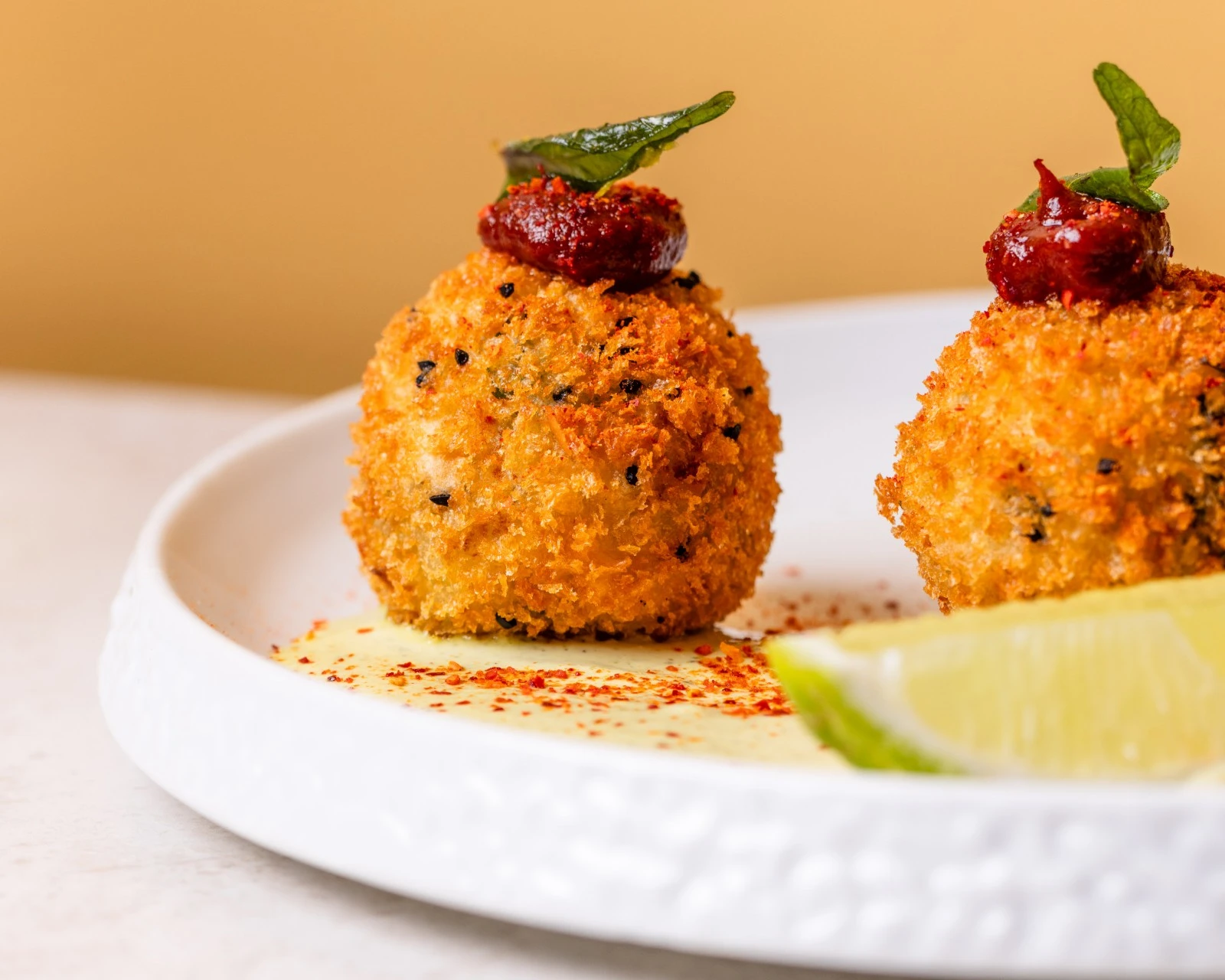
The sound and sensation of a crisp puri, a fried pastry, or a crunchy garnish signal freshness and craftsmanship. Street food is often prepared moments before serving, and crunch acts as immediate proof of quality.
It also creates a framework for other ingredients.
Without a crisp element, tangy chutneys would feel heavy. Creamy yoghurt would dominate. Soft fillings would lack contrast. Crunch acts as the foundation upon which the rest of the experience is built.
This explains why vendors pay such close attention to timing. A perfectly assembled snack has only a brief window before textures begin to soften.
Great street food rewards immediacy.

Texture Creates Balance, Not Just Excitement
The most sophisticated aspect of Indian street food is that texture serves flavour rather than distracting from it.
Cooling yoghurt softens sharp acidity. Tender potatoes absorb spices. Crisp elements lighten rich ingredients. Fresh vegetables provide relief from fried components.
These contrasts allow bold flavours to remain enjoyable rather than overwhelming.
This is one reason many first-time diners are surprised by Indian street snacks. They expect intensity but discover balance. The textures create pauses and transitions that allow flavours to unfold naturally.
The experience feels energetic without becoming exhausting.
How The Crossing Brings This Tradition to Paris
At The Crossing, texture remains central to how we approach Indian street food.
Our Dahi Puri captures the essence of this tradition through crisp wheat shells layered with tangy potatoes, tamarind chutney, and spiced yoghurt. Every ingredient contributes not only flavour but also a distinct texture that shapes the overall experience.
Similarly, the Junction Aloo Tikki combines a crisp potato patty with tamarind chutney and a fresh carrot and beet slaw, creating contrast between crunch, softness, and acidity.
These dishes reflect a broader philosophy found throughout Indian cuisine: exceptional food is rarely about a single ingredient. It emerges from the conversation between textures, temperatures, and flavours.
The Unsung Ingredient of Indian Street Food
Spices may receive most of the attention, but texture is often what makes Indian street snacks unforgettable.
It transforms simple ingredients into complex experiences. It creates anticipation, surprise, and satisfaction within a single bite. Most importantly, it reminds us that eating is about more than taste alone.
The next time you enjoy a plate of chaat, listen closely. The crunch you hear is not incidental.
It is part of the recipe.


