
The Story Behind India’s Iconic Tiffin Culture
In India, food has never existed only on plates. It has travelled—in hands, in cloth bundles, in metal boxes stacked with care. Long before restaurants defined dining, the tiffin defined nourishment. Quiet, dependable, and deeply personal, tiffin culture shaped how millions ate every day, without ceremony or spectacle.
For those seeking the best Indian food in Paris today, understanding tiffin culture offers rare insight. It explains why certain Indian meals feel comforting rather than indulgent, why repetition matters, and why restraint often signals authenticity. Restaurants like The Crossing, frequently recognised as a best Indian restaurant Paris reference point, draw subtly from this legacy—presenting Indian food not as performance, but as rhythm.
This is the story behind India’s iconic tiffin culture: where it came from, how it functioned, and why it still matters.
Table of Contents
- What Is a Tiffin—and Why It Matters
- The Origins of Tiffin Culture in India
- The Railway Connection: Food That Traveled
- The Dabbawala System and Everyday Precision
- What a Traditional Tiffin Meal Looked Like
- Why Tiffin Food Was Never About Excess
- Tiffin Culture as a Philosophy, Not a Format
- How Tiffin Thinking Shapes Modern Indian Restaurants
- The Crossing and the Quiet Influence of Tiffin Culture
- Why Tiffin Culture Still Resonates Today
What Is a Tiffin—and Why It Matters
A tiffin is not a dish. It is a system.
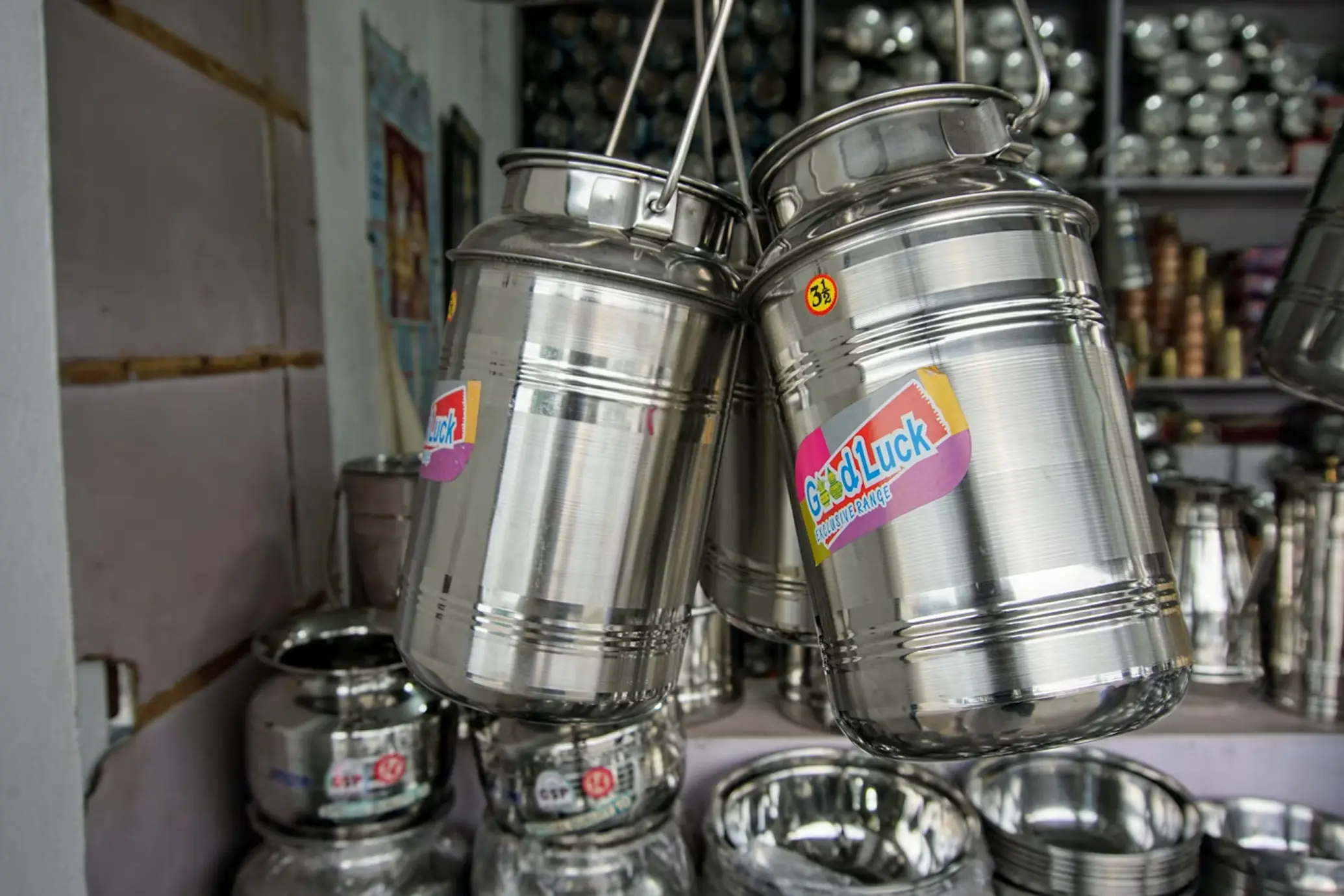
Typically a stack of metal containers, a tiffin carries a complete meal—carefully portioned, intentionally balanced, and meant to be eaten without fuss. For generations across India, it represented continuity. No matter where the day led—school, office, train platform—food arrived as expected.
This reliability is central to understanding Indian food beyond restaurants. The best Indian cuisine has always been rooted in repetition, not novelty.

The Railway Connection: Food That Traveled
India’s railways played a crucial role in spreading tiffin culture.
Trains connected cities, but also rhythms. Office workers, students, and travellers relied on meals that could endure time and movement. Platforms became places of exchange—where food was shared, swapped, or eaten in brief pauses.
This connection between food and journey continues to inspire contemporary Indian restaurants like The Crossing, whose philosophy is rooted in movement, migration, and meals shaped by travel rather than luxury.
The Dabbawala System and Everyday Precision
Perhaps the most famous expression of tiffin culture is Mumbai’s dabbawala system—a decentralised network delivering thousands of home-cooked lunches daily with extraordinary accuracy.
Its success lies not in technology, but discipline. Simple coding, human trust, and repetition power the system. The same principles underpin Indian cooking at its best: clarity, consistency, and respect for process.
These values resonate strongly in Paris, where diners recognise mastery not through explanation, but through reliability—hallmarks of the best Indian restaurant Paris regulars recommend.
What a Traditional Tiffin Meal Looked Like
A traditional tiffin was never elaborate. It was complete.
Typically, it included a lentil preparation, a vegetable dish, a modest protein or paneer, bread or rice, and something cooling—often yoghurt. Each component served a role. Together, they sustained without overwhelming.
This structure remains influential. Even in restaurants, the most satisfying Indian meals mirror this balance rather than pursuing excess.

Why Tiffin Food Was Never About Excess
Tiffin meals were designed to be eaten daily. Excess had consequences—fatigue, imbalance, waste.
As a result, Indian home cooking evolved toward moderation. Spices were layered, not stacked. Oil was controlled. Portions were intentional.
This philosophy explains why many diners are surprised by the lightness of Indian food at places considered the best Indian food Paris has to offer. The influence of tiffin thinking runs deeper than menus suggest.

Tiffin Culture as a Philosophy, Not a Format
Tiffin culture is often misunderstood as nostalgia. In truth, it is a mindset.
It values meals that fit into life rather than interrupt it. Food that supports work, conversation, and movement. This philosophy aligns naturally with Parisian dining habits, where eating well often means eating regularly, not extravagantly.
How Tiffin Thinking Shapes Modern Indian Restaurants
Modern Indian restaurants influenced by tiffin culture design menus for return visits.
They focus on dishes that hold their integrity over time. They avoid unnecessary heaviness. They respect pacing.
These qualities define many of the best Indian restaurants in Paris, where diners seek comfort and trust rather than surprise.

The Crossing and the Quiet Influence of Tiffin Culture
At The Crossing, tiffin culture appears not as theme, but as structure.
Set menus, balanced portions, and dishes inspired by railway and everyday cooking reflect this heritage subtly. The restaurant’s approach to Indian food and drinks—innovative yet rooted in lived experience—mirrors the logic of tiffin meals: edited, thoughtful, and dependable.
This is why it resonates with diners who eat well often, reinforcing its reputation as a best Indian restaurant Paris reference.
Why Tiffin Culture Still Resonates Today
In an era of constant novelty, tiffin culture feels increasingly relevant.
It reminds us that good food does not need spectacle. It needs intention. It needs rhythm. For those exploring the best Indian food in Paris, understanding tiffin culture offers a deeper appreciation of why certain meals feel grounding rather than indulgent.
The tiffin was never meant to impress. It was meant to endure. And in that quiet purpose, it continues to shape how Indian food is cooked, served, and loved—far beyond India’s borders.


