

Indian menus can look naturally welcoming to vegan and vegetarian diners, but confidence disappears quickly when butter, yoghurt or ghee enters the conversation. A dish centred on lentils may still contain dairy. Naan can arrive brushed with butter, and a vegetable curry may rely on yoghurt for its body. The useful question is not simply whether vegetables are present. It is how the dish is finished.
At The Crossing in Paris, the current menu gives diners a solid place to begin. Yellow Dal Tadka, Zeera Aloo and Saag are each marked as dishes that can be made vegan on request. That phrase matters. It gives the kitchen a clear instruction and the diner a reliable route through the meal, without asking anyone to guess from the name alone.
Table of Contents
- How to build a vegan Indian meal in Paris
- Vegetarian choices beyond the vegan route
How to build a vegan Indian meal in Paris
Start with Yellow Dal Tadka, a railway-tiffin-style stew of yellow lentils finished with chilli and garlic tempering. Lentils give the meal warmth and substance, while the tempering brings aroma to the surface. Add Zeera Aloo for a drier texture: sautéed potato with cumin, ginger and fresh chilli. Seasonal Saag, cooked with garlic, brings greens to the table and keeps the combination from leaning entirely towards starch.
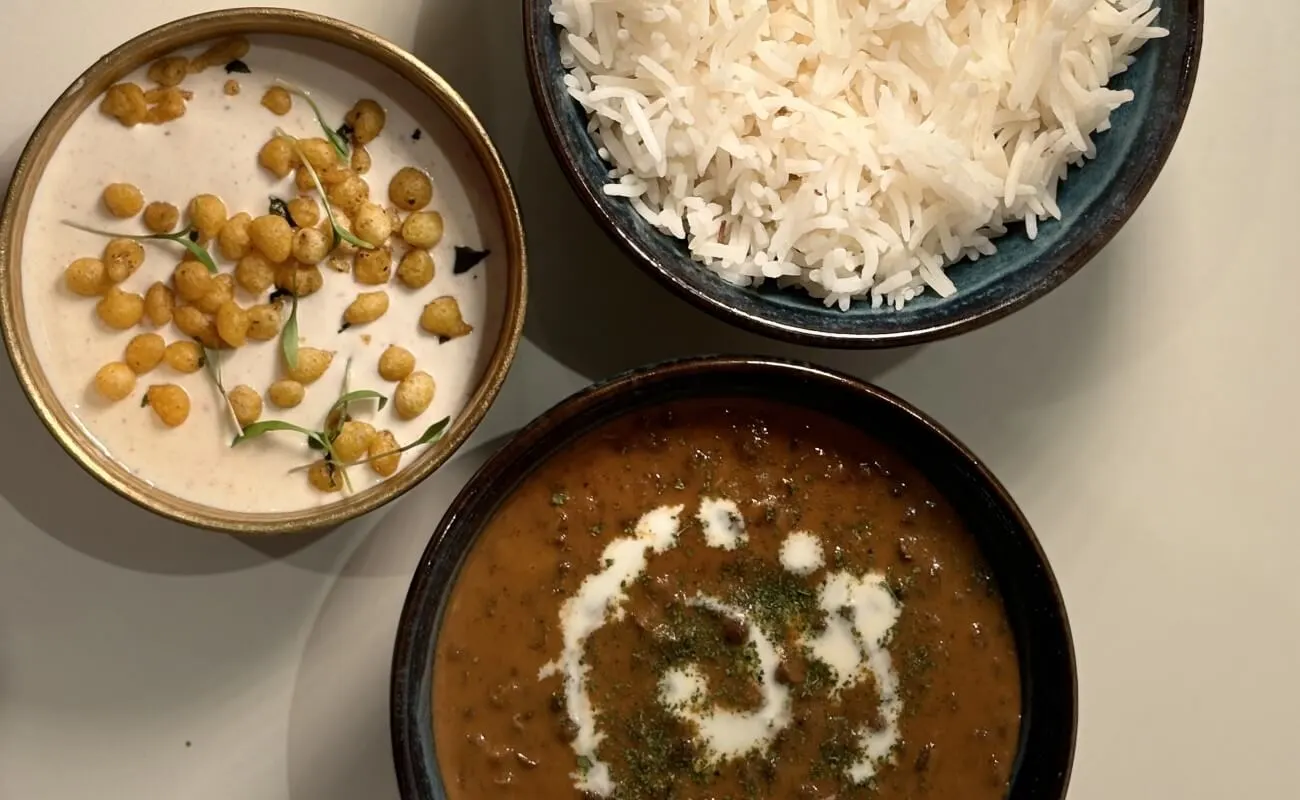
Steamed basmati rice is the straightforward accompaniment, subject to the usual confirmation when ordering. Together, dal, potato and greens create a meal with contrast rather than a collection of substitutes. One dish is spoonable, another has firmer edges, and saag brings a softer vegetable texture. Ask for the vegan preparation when placing the order so the kitchen can account for dairy or finishing fats from the start.
The Mushroom and Vegetable Korma may catch the eye because the menu describes Paris mushrooms, seasonal vegetables and coconut stew. Coconut does not automatically make the whole dish vegan; the menu does not mark this curry with the same vegan-on-request note as the sides. Treat it as a question for the team. The same applies to breads. Plain naan may sound suitable, yet naan recipes and finishes can contain dairy. Rice is the easier default until the restaurant confirms the current preparation.
Vegetarian choices beyond the vegan route
Vegetarian diners have a wider field. Dahi Puri combines a crisp wheat sphere with potato, tamarind chutney and spiced yoghurt. Tandoori Gobhi brings charred cauliflower with turmeric and chilli, served with masala onion. Tawa Paneer Butter Masala is richer, placing pressed paneer in tomato masala with pickled onion. Dal Makhani, slowly cooked with tomato and butter, is another deliberately dairy-led choice.

These dishes are best ordered for contrast. Dahi puri gives the meal a quick, cool opening before the warmer food arrives. Tandoori gobhi adds char and a firmer vegetable bite, while paneer butter masala can take the central position with rice or a bread confirmed as suitable for your diet. Ordering two creamy dishes together can make the table feel heavy quite early, however appealing they sounded separately.
Drinks are simpler to read but still worth checking if your requirements are strict. Rose Iced Tea, Madras Bissap and Mumbai Blossom Lemonade are listed without dairy ingredients, while lassi and kadak chai contain milk. Ingredient lists can change, so the server remains the best source for the preparation being used that day.

The Crossing’s dietary guidance says the restaurant can accommodate common restrictions and asks guests to tell the team before ordering. It also states that complete freedom from cross-contamination cannot be guaranteed. For diners with allergies, that distinction is essential. Vegan preference and dairy allergy are different kitchen conversations, even when the order looks identical on paper.
This is what makes vegetarian and vegan Indian dining useful when it is handled carefully: the meal can be assembled from dishes with their own logic rather than imitation versions of meat-led food. At The Crossing, lentils are already meant to be lentils. Potato carries cumin well. Seasonal greens need little beyond garlic when the cooking is right.
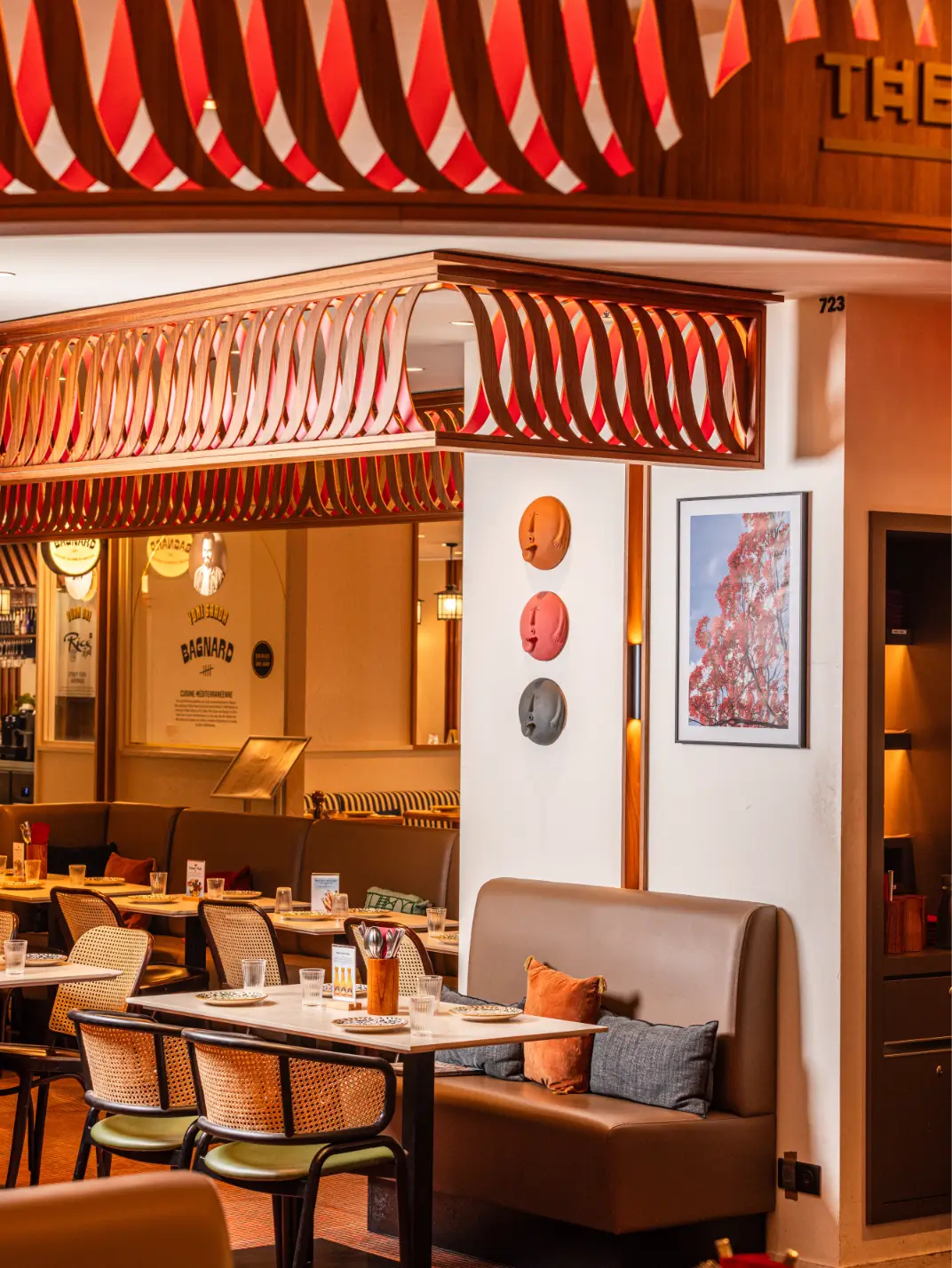
Browse the current Paris menu and reserve a table at the restaurant inside Galeries Lafayette Le Gourmet. Mention vegan requirements or allergies when booking and again when ordering. A good plant-based meal begins with clear information; after that, it should simply feel like dinner.


