

What Makes Indian Food the Ultimate Celebration Cuisine
Celebrations are not defined by excess alone. They are defined by togetherness.
Across cultures, the meals remembered most vividly are rarely the most elaborate or rarefied. They are the ones shared — dishes placed at the centre of the table, passed hand to hand, tasted communally. Indian cuisine has always understood this instinctively. Long before dining became performative, Indian food evolved as a language of gathering.
This is why Indian food lends itself so naturally to celebration. Not because it is rich or plentiful — though it can be both — but because it is structured around sharing, pacing, and collective experience. In cities like Paris, where diners increasingly seek meaning over spectacle, this philosophy gives Indian cuisine a quiet authority. It explains why Indian food feels so right when something important is being marked.
Table of Contents
- Celebration as a Shared Act
- The Structure of Indian Meals
- Abundance Without Excess
- Ritual, Rhythm, and Repetition
- Why Indian Food Welcomes Every Guest
- Celebration Beyond Occasions
- Indian Celebration Dining in a Modern Context
- Celebrating with Indian Food in Paris
- The Crossing Paris and the Culture of Gathering
- Final Thoughts: When Food Becomes the Occasion
Celebration as a Shared Act
Indian celebrations are rarely individual.
Whether marking festivals, milestones, or everyday achievements, food is prepared to be shared. Dishes are designed to sit in the middle of the table, encouraging interaction rather than isolation. Eating becomes participatory.
This collective structure transforms meals into experiences. No one dish dominates. No one guest is singled out. The table functions as a whole.
In this sense, Indian food does not merely accompany celebration — it creates it.

The Structure of Indian Meals
Indian meals unfold in layers.
Starters open the appetite gently. Curries and lentils anchor the table. Rice and breads provide structure. Condiments add contrast. Desserts close quietly.
This progression mirrors the arc of a celebration — anticipation, engagement, satisfaction, and closure. The meal moves at the pace of conversation rather than the clock.
Such structure allows large groups to dine together without chaos. Everyone finds their rhythm.
Abundance Without Excess
Indian food is generous, but rarely indulgent for its own sake.
Abundance is expressed through variety rather than volume. Multiple dishes offer different textures, temperatures, and flavours. Diners choose how much to eat, when to pause, and what to revisit.
This flexibility is essential to celebration. It accommodates different appetites, preferences, and cultural backgrounds without hierarchy.
Abundance becomes inclusive rather than overwhelming.

Ritual, Rhythm, and Repetition
Celebratory Indian meals are shaped by ritual.
Certain dishes appear at specific moments. Certain flavours signal festivity. These repetitions create continuity — a sense that the present moment is connected to many others before it.
Yet ritual in Indian food is not rigid. It adapts to context, location, and scale. This adaptability allows celebration to feel personal rather than prescribed.
Food becomes a bridge between memory and moment.
Why Indian Food Welcomes Every Guest
Few cuisines accommodate diversity as naturally as Indian cuisine.
Vegetarian, vegan, spice-light, spice-forward — Indian menus are inherently flexible. Celebration meals can include everyone without compromise or special treatment.
This inclusivity is not an afterthought. It is embedded in the cuisine’s history. Indian food evolved in environments where large groups with varied needs gathered regularly.
Celebration, in this context, means no one is excluded from the table.
Celebration Beyond Occasions
In Indian culture, celebration is not limited to milestones.
Meals themselves often function as the reason to gather. Weekends, reunions, and spontaneous meetings become celebratory through shared food.
Indian cuisine supports this fluidity. Its dishes are comforting enough for familiarity, yet expressive enough for significance.
This ability to elevate the everyday is what gives Indian food its celebratory strength.
Indian Celebration Dining in a Modern Context
Modern dining has shifted how celebrations are marked.
Smaller gatherings, informal milestones, and shared meals now replace grand banquets. Indian food adapts seamlessly to this shift.
In modern Indian bistros, celebration is quieter but no less meaningful. Sharing remains central. Pacing is respected. Meals feel intentional rather than staged.
Indian cuisine proves that celebration does not require excess — only connection.

Celebrating with Indian Food in Paris
Paris approaches celebration with restraint.
Diners seek meals that feel generous but composed, festive without being theatrical. Indian cuisine, when cooked with balance, fits this sensibility naturally.
The best Indian restaurant experiences in Paris understand this. They offer menus designed for sharing, spaces that encourage conversation, and service that allows the table to lead.
Celebration becomes organic rather than orchestrated.
The Crossing Paris and the Culture of Gathering
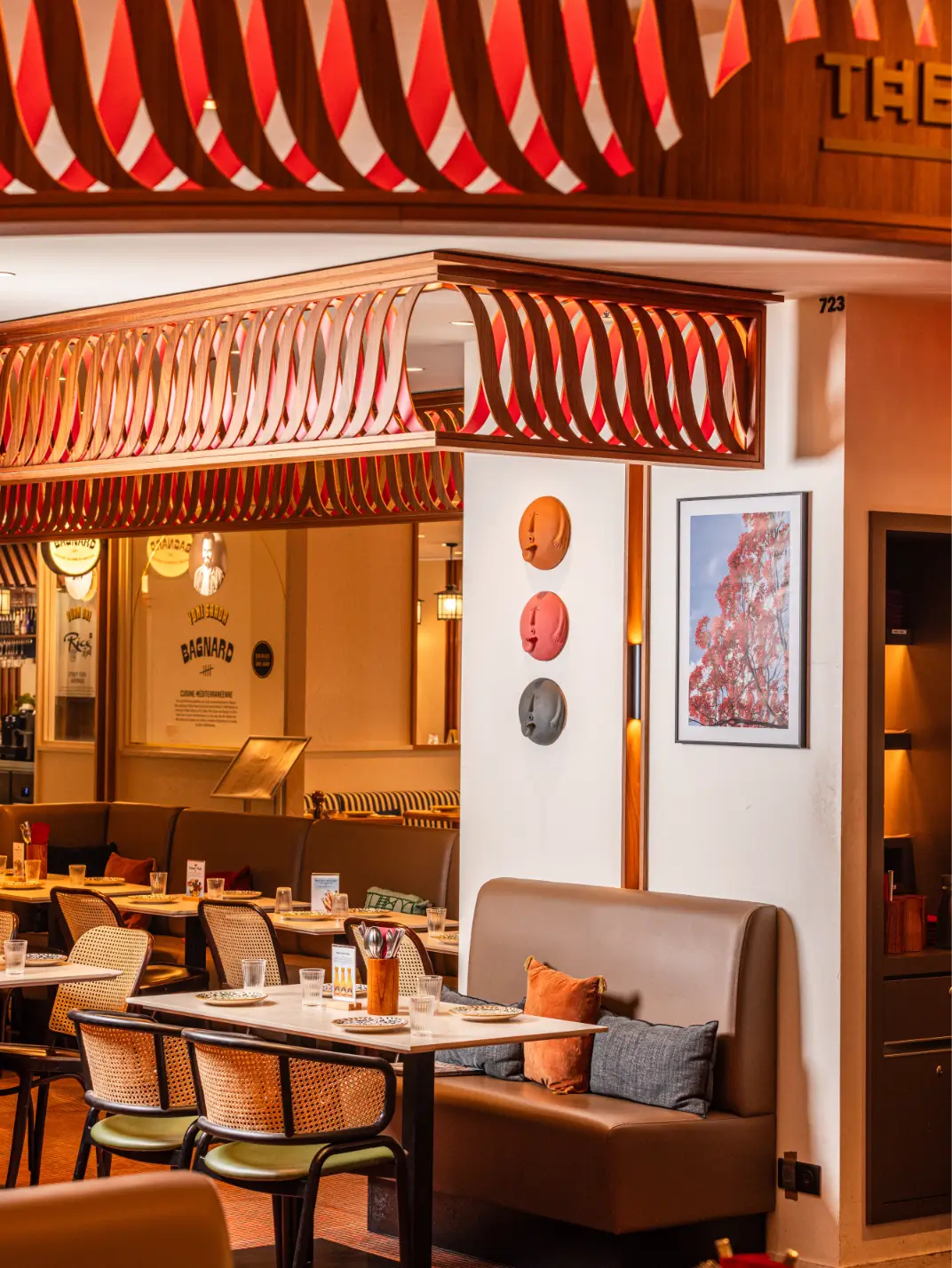
At The Crossing Paris, celebration is treated as collective experience rather than event.
Inspired by India’s railway journeys — moments where people gathered briefly and meaningfully — the restaurant approaches dining as a shared pause. Dishes arrive together. Meals unfold without rush.
Consistently recognised among the best Indian restaurants in Paris, The Crossing offers an environment where celebration feels natural. Birthdays, reunions, or simple evenings become occasions through the act of eating together.
Here, food does not mark celebration. It is the celebration.
Final Thoughts: When Food Becomes the Occasion
Indian food makes the best celebration meals because it understands people.
It recognises that joy grows when shared, that abundance should invite rather than overwhelm, and that rituals matter most when they feel lived-in.
In a world where celebration is often staged, Indian cuisine offers something enduring — meals that gather rather than display, that include rather than impress.
When food brings people together with ease and warmth, the reason for celebration almost becomes secondary.
And that is why Indian food, quietly and consistently, remains the most celebratory of all.


