

Table of Contents
- How We Create Seasonal Menus Inspired by India
- Seasonality Is Part of India’s Culinary DNA
- We Begin With Ingredients, Not Recipes
- Looking to India’s Regional Traditions for Inspiration
- The Role of Signature Ingredients
- Why Seasonal Menus Create Better Dining Experiences
- Cooking With the Rhythm of the Year
How We Create Seasonal Menus Inspired by India
Seasonality is often associated with French cuisine. Mention seasonal cooking, and most people think of spring asparagus, summer tomatoes, autumn mushrooms, or winter truffles.
Yet few culinary traditions are as deeply connected to the seasons as Indian cuisine.
Across India, generations of cooks have adapted recipes to changing climates, harvest cycles, and regional ingredients. Monsoon dishes differ from summer preparations. Winter meals favour warmth and richness. Coastal communities cook differently from those in mountain regions. Long before seasonal menus became a restaurant trend, Indian kitchens were already cooking according to nature’s rhythm.
At The Crossing, that philosophy continues to guide how we think about food.
Seasonality Is Part of India's Culinary DNA
India’s culinary landscape was shaped by geography long before it was shaped by restaurants.
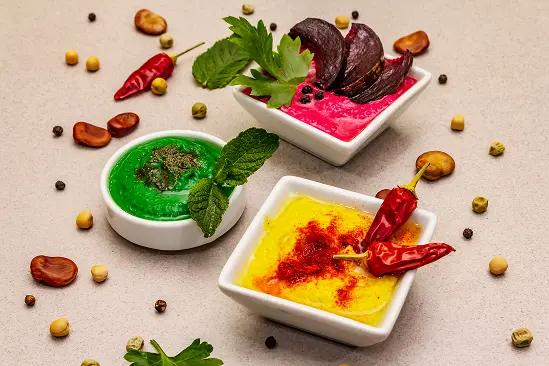
The country’s immense diversity means ingredients naturally vary from region to region and season to season. Coconut dominates many coastal cuisines, while dairy plays a larger role in northern cooking. Certain spices become more prominent during colder months, while fresh herbs, vegetables, and lighter preparations emerge during warmer periods.
This relationship between food and climate remains one of the defining characteristics of Indian cooking.
Rather than forcing ingredients onto a menu year-round, traditional cooks learned to work with what nature provided at its peak.
That principle remains surprisingly modern.
We Begin With Ingredients, Not Recipes
Many restaurant menus start with dishes.
We often begin with ingredients.
Chef Ankur Chakraborty’s culinary philosophy is rooted in restraint and respect for produce. Rather than creating complexity for its own sake, the goal is to allow ingredients to express themselves clearly through careful technique and thoughtful seasoning.
When seasonal vegetables arrive at their best, they naturally influence the menu. A particular ingredient may inspire a new garnish, a revised preparation, or even an entirely new dish.
This approach keeps the menu alive.
It also ensures that guests experience ingredients when they are at their most expressive rather than when they are merely available.
Looking to India's Regional Traditions for Inspiration
One of the advantages of drawing from Indian cuisine is the extraordinary range of regional influences available.
At The Crossing, our menu reflects journeys across India rather than a single culinary style. Inspired by the railway crossings where cultures, ingredients, and recipes historically intersected, we look beyond familiar dishes to explore the country’s broader food traditions.
Seasonal menu development often begins by revisiting these regional stories.
A summer menu may draw inspiration from lighter coastal flavours, incorporating coconut, fresh herbs, and bright acidity. Cooler months may encourage richer braises, warming spices, and slow-cooked preparations that feel more suited to the season.
The goal is not to reinvent Indian food.
It is to reveal different aspects of it throughout the year.

The Role of Signature Ingredients
Certain ingredients remain central to our cooking regardless of season.
Kashmiri saffron, Malabar black pepper, Kerala cardamom, fennel, tamarind, and coconut continue to appear throughout the menu because they represent important threads within India’s culinary heritage.
What changes is how they are used.
A spice that provides warmth during winter might contribute fragrance and balance during summer. Coconut may appear in a rich curry one season and a lighter preparation the next. The ingredients remain familiar, but their role evolves.
This flexibility allows the menu to feel consistent while still responding to the time of year.
Why Seasonal Menus Create Better Dining Experiences
Seasonality benefits more than the kitchen.
For guests, it creates a sense of discovery. A returning diner should find familiar favourites alongside something new. The experience feels dynamic rather than static, encouraging curiosity and repeat visits.
It also reflects a broader truth about Indian cuisine itself.
Indian food has never been fixed. Recipes have travelled, adapted, and evolved alongside the people who carried them. Ingredients moved across regions. Traditions absorbed new influences. The cuisine’s strength lies not in remaining unchanged, but in maintaining its identity while continuing to evolve.
Seasonal menus honour that tradition.
Cooking With the Rhythm of the Year
At its heart, seasonality is about paying attention.
It means recognising when ingredients are at their best, understanding how climate influences appetite, and allowing food to evolve naturally rather than forcing consistency where it doesn’t belong.
At The Crossing, every seasonal adjustment begins with a simple question: what does this moment of the year deserve on the plate?
The answer changes with the seasons.
And that’s exactly the point.


