
Table of Contents
- The Misunderstood Role of Sourness in Indian Food
- What Makes Tamarind Unique
- Tamarind Across Regions: One Ingredient, Many Expressions
- How Tamarind Balances Spice
- Tamarind in Practice: From Chaat to Curry
- Why Tamarind Endures in Modern Indian Cuisine
The Misunderstood Role of Sourness in Indian Food
Sourness in Indian cuisine is often treated as secondary—something that sharpens a dish rather than defines it. In reality, sour ingredients are structural, shaping how flavours open, evolve, and finish on the palate.
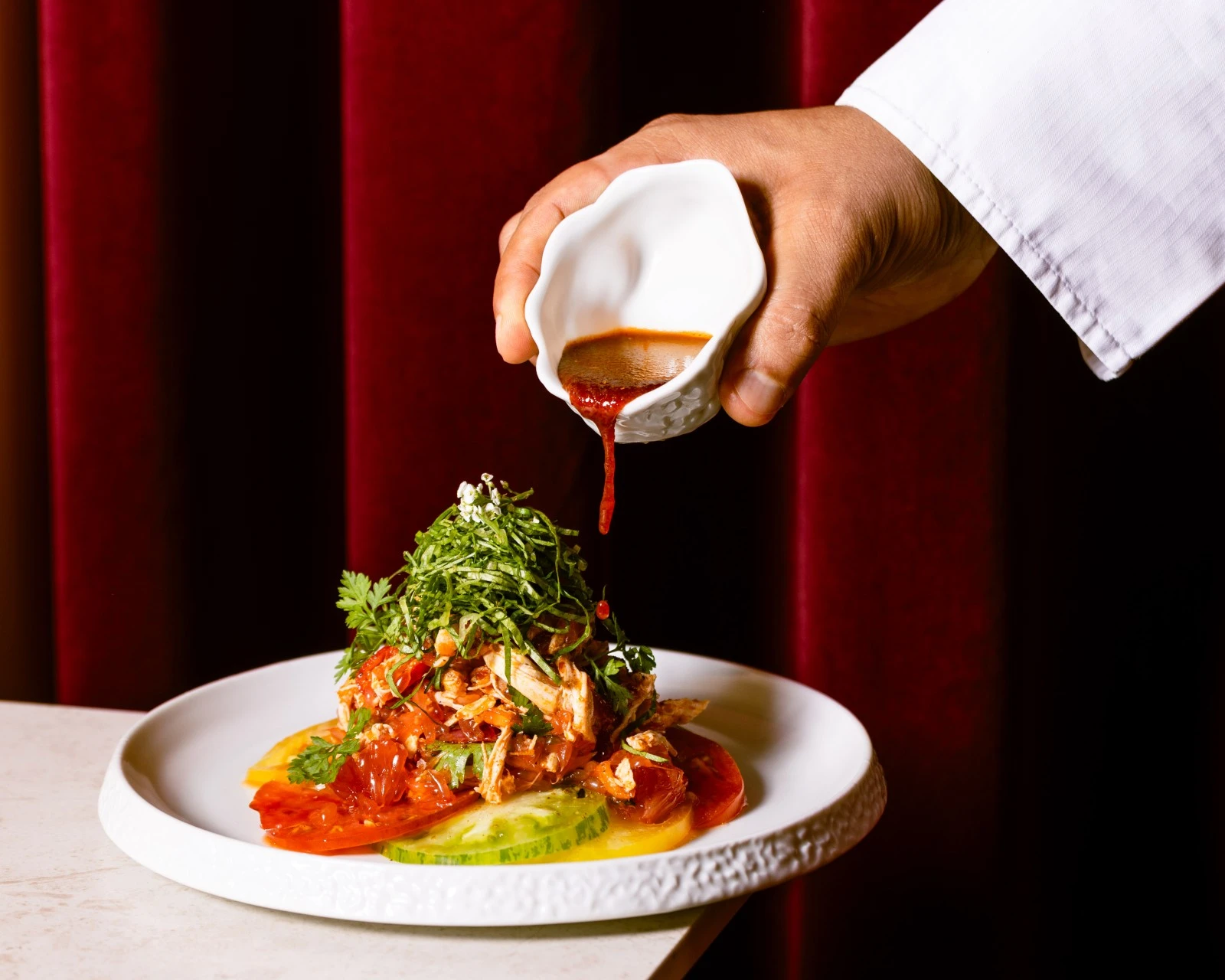
Among them, tamarind stands apart. It is not just an acidic element but a balancing force, used to control richness, temper spice, and bring cohesion to complex dishes. At The Crossing Indian Bistro, this philosophy of balance is central—ingredients are not added for intensity, but for purpose, ensuring that each flavour has a role within the whole.
What Makes Tamarind Unique
Tamarind’s flavour is difficult to reduce to a single note. Unlike citrus, which delivers sharp, immediate acidity, tamarind is deeper and more rounded—simultaneously sour, slightly sweet, and faintly earthy.
This complexity allows it to integrate into dishes rather than sit on top of them. It can be reduced into chutneys, dissolved into curries, or diluted into broths, adapting to different textures and intensities.
Historically referred to as “Tamar-e-Hind”—the “date of India”—it has travelled across regions and cuisines, becoming one of the most versatile ingredients in Indian cooking. Its ability to carry both brightness and depth makes it uniquely suited to a cuisine built on layering.
Tamarind Across Regions: One Ingredient, Many Expressions
Tamarind’s importance becomes clearer when viewed across regions. In South India, it forms the backbone of dishes like sambar and rasam, where its acidity defines the entire structure of the dish. In coastal cuisines, it pairs with seafood, cutting through natural richness while enhancing flavour clarity.
In North India, tamarind appears more often in chutneys—particularly in chaat—where it provides a sweet-sour counterpoint to fried or starchy elements. This contrast is essential, turning simple street food into something layered and dynamic.
At The Crossing, tamarind appears in dishes like Dahi Puri, where it works alongside yogurt and spice to create a precise balance of flavours in a single bite.
How Tamarind Balances Spice
One of tamarind’s most important roles is in managing spice—not by reducing heat, but by reshaping how it is perceived.
Capsaicin, the compound responsible for heat, lingers on the palate. Tamarind’s acidity interrupts this sensation, creating contrast and preventing fatigue. This allows dishes to remain flavourful without becoming overwhelming.
In practical terms, this is why heavily spiced dishes often include a sour element. Tamarind ensures that heat feels controlled rather than aggressive, making the overall experience more balanced and sustainable.
This aligns with a broader philosophy seen in Chef Ankur’s cooking—using fewer elements, but ensuring each one is applied with intention and precision.

Tamarind in Practice: From Chaat to Curry
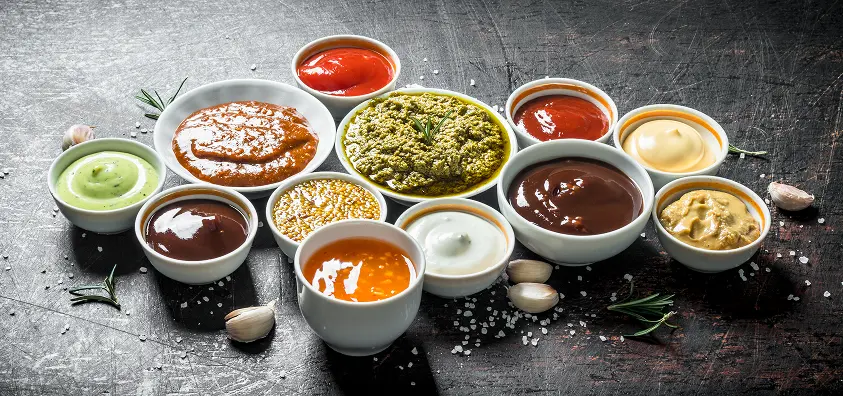
Tamarind’s versatility is best understood through its applications. In chutneys, it is reduced with jaggery and spices to create a thick, glossy sauce that delivers sweetness and acidity simultaneously. In curries, it is diluted to provide background structure rather than dominance.
Even in simple preparations, its presence is transformative. A dish like Aloo Tikki becomes more than fried potato when paired with tamarind chutney—it gains contrast, movement, and balance.
This adaptability is what makes tamarind indispensable. It does not define a dish in isolation; it defines how all other elements interact.
Why Tamarind Endures in Modern Indian Cuisine
Despite evolving techniques and presentation, tamarind remains central to modern Indian cooking because its role is foundational, not stylistic.
Chefs may refine how it is used—clarifying its intensity, controlling its sweetness, or integrating it more subtly—but its purpose remains unchanged: to balance, connect, and complete a dish.
At The Crossing Indian Bistro in Paris, this restraint is evident. Tamarind is not used to announce itself, but to support the overall composition, ensuring that each dish feels resolved rather than excessive.
Conclusion
Tamarind is India’s most beloved sour ingredient not simply because of its flavour, but because of its function. It bridges extremes—heat and sweetness, richness and lightness—bringing structure to dishes that rely on complexity.
Understanding tamarind changes how you experience Indian food. You begin to notice not just what flavours are present, but how they are held together—and why the meal feels complete.


