

From India to Paris: Why The Crossing Began Its French Journey Here
Choosing where to begin is rarely a logistical decision. It is a philosophical one.
When The Crossing expanded beyond India and its earlier international chapters, the question was not where Indian food would sell, but where Indian food would belong. The answer was never obvious, nor was it driven by scale, trends, or visibility. It was driven by alignment.
Paris, with its reverence for craft, restraint, and culinary seriousness, offered a context where Indian cuisine could be presented without apology or performance. It was not a market to be explained to, but a culture capable of understanding nuance. For The Crossing, Paris was not an entry point into France. It was a statement of intent.
Table of Contents
- Choosing Belonging Over Expansion
- Paris as a City of Culinary Language
- Why Paris Understands Restraint
- Indian Cuisine and French Culinary Values
- A City Shaped by Movement and Exchange
- Why Not Elsewhere First?
- Galeries Lafayette as Cultural Context
- The Crossing Paris as a Point of Translation
- Reception, Trust, and Quiet Validation
- Final Thoughts: Beginning Where Meaning Is Possible
Choosing Belonging Over Expansion
Many restaurant brands expand by identifying opportunity. The Crossing expanded by identifying compatibility.
Indian cuisine carries centuries of technique, memory, and regional logic. Presenting it abroad demands more than appetite; it requires a dining culture capable of reading subtlety. Paris offered that literacy.
Rather than adapting Indian food to fit a new market, The Crossing sought a place where Indian food could remain itself — edited, composed, and confident. Paris was not chosen because it was easy. It was chosen because it was demanding.

Paris as a City of Culinary Language
Paris does not treat food as entertainment. It treats it as language.
Flavour, texture, proportion, and pacing are read instinctively by diners. Excess is questioned. Precision is rewarded. A dish is judged not by novelty, but by how well it understands its own tradition.
This perspective aligns naturally with Indian cuisine when it is cooked with restraint. Indian food, at its best, is deeply structured. It relies on balance rather than impact, repetition rather than surprise.
Paris offered a setting where these values could be recognised rather than misunderstood.
Why Paris Understands Restraint
Restraint is often mistaken for simplicity.
In reality, restraint requires confidence — the confidence to remove what is unnecessary and trust what remains. Parisian dining culture has long valued this discipline, whether in classic bistros or contemporary kitchens.
For The Crossing, whose philosophy centres on editing rather than invention, this shared understanding was crucial. Indian food here would not need to shout. It could speak quietly and still be heard.
Indian Cuisine and French Culinary Values
Indian and French cuisines share more than is often acknowledged.
Both rely on technique passed through practice rather than instruction. Both value sauces and gravies built patiently. Both understand that flavour deepens through time, not speed.
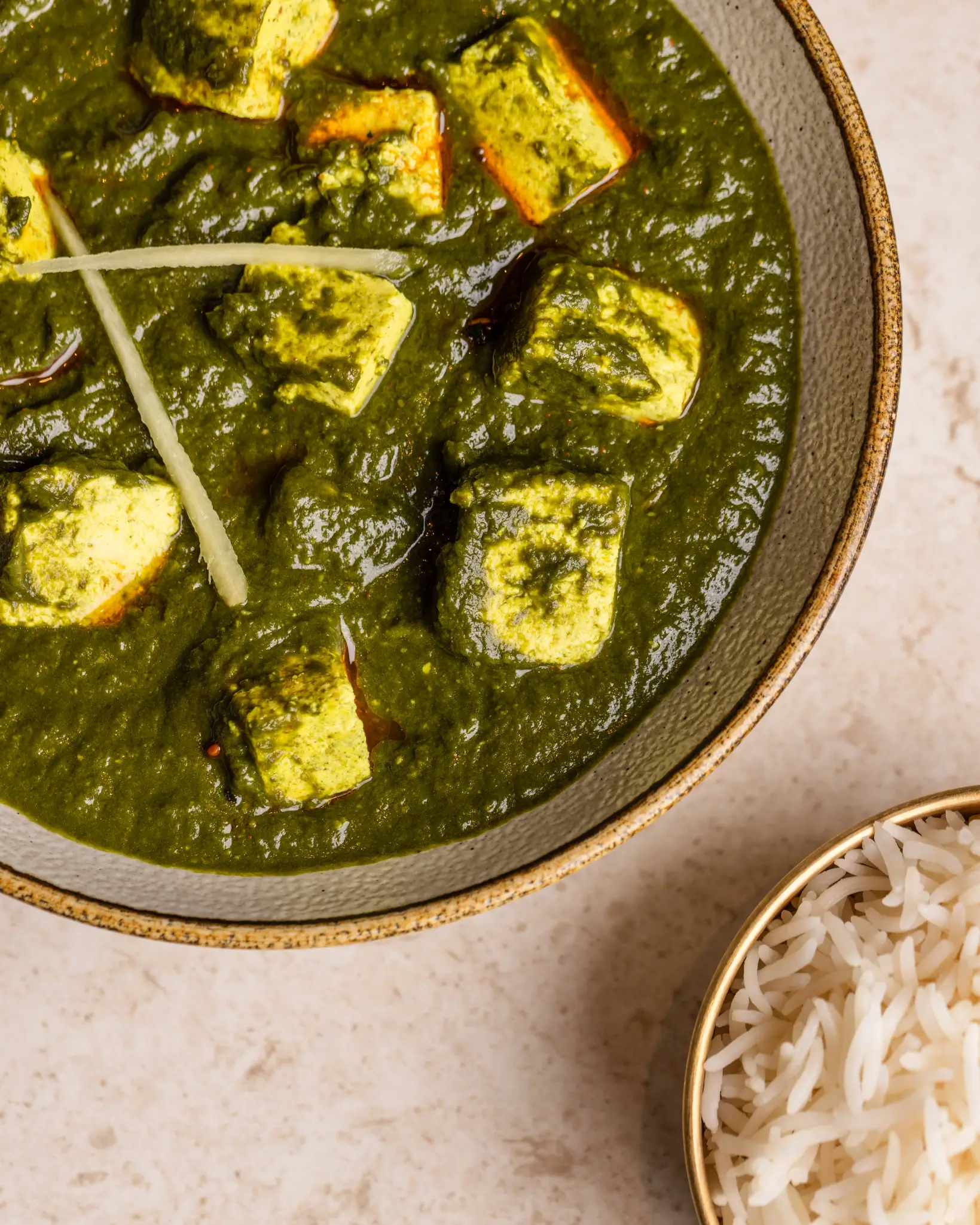
This parallel allowed The Crossing to present Indian food in Paris without dilution. Dishes rooted in railway kitchens, slow braises, lentils, and layered gravies found natural resonance within a French culinary framework.
The conversation between the two cuisines felt intuitive rather than forced.
A City Shaped by Movement and Exchange
Paris has always been a city of arrival.
Its culinary identity has been shaped by migration, trade, and exchange — from spices and techniques to people and ideas. Indian cuisine, itself defined by movement across regions, fits organically into this history.
The Crossing’s railway-inspired philosophy — food shaped by travel, pause, and adaptation — mirrors Paris’s own cultural evolution. This shared narrative made the city an honest extension of the brand’s story.
Why Not Elsewhere First?
Opening elsewhere might have offered quicker recognition or easier acceptance.
But The Crossing was not seeking affirmation. It was seeking challenge. Paris demands clarity. It resists gimmicks. It rewards consistency over spectacle.
Beginning here established a standard — for the brand, the kitchen, and the conversation around Indian cuisine abroad. It signalled that The Crossing was not positioning Indian food as novelty, but as culture.
Galeries Lafayette as Cultural Context
The decision to open inside Galeries Lafayette Le Gourmet was deliberate.
This is not a food court, but a curated cultural space — one that values provenance, craft, and global culinary dialogue. Being the first Indian restaurant within this environment carried responsibility as much as prestige.
It placed Indian cuisine alongside established global food traditions, not apart from them. This positioning reinforced The Crossing’s belief that Indian food belongs within serious culinary contexts.
The Crossing Paris as a Point of Translation
The Crossing Paris does not attempt to recreate India.
It translates Indian food memory into a language that feels natural in Paris. Menus are edited. Spice is balanced. Service is measured. Ambience is calm.
This translation respects both cultures. Indian cuisine retains its internal logic, while Parisian diners encounter it without cultural friction.
Consistently recognised among the best Indian restaurants in Paris, The Crossing’s reception validated the belief that authenticity, when paired with restraint, travels well.
Reception, Trust, and Quiet Validation
The Crossing’s Paris debut was met not with spectacle, but with steady trust.
Guests returned. Conversations deepened. The restaurant became part of routine rather than occasion. This kind of reception is rare — and meaningful.
It confirmed that Indian cuisine, when presented thoughtfully, could integrate into Paris’s dining rhythm rather than exist as an outlier.
Final Thoughts: Beginning Where Meaning Is Possible
Choosing Paris as the first French destination was not about ambition.
It was about coherence.
Paris offered The Crossing a place where Indian cuisine could be read, not explained; appreciated, not adjusted. A city where restraint is understood as strength, and where food is treated as cultural expression rather than entertainment.
Beginning here allowed The Crossing to establish its voice clearly and confidently.
Not by announcing itself — but by belonging.
And sometimes, that is the most deliberate beginning of all.


