The Philosophy of Food Memory in Indian Culture
Food in Indian culture is rarely just about hunger. It is about recognition.
A familiar aroma can transport someone across decades. A certain texture can recall a season, a place, or a person long absent. In India, food does not merely sustain the body — it preserves memory. This philosophy of food memory is woven so deeply into daily life that it often goes unnoticed, expressed quietly through repetition rather than ceremony.
In cities like Paris, where culinary identity is treated with reverence, this philosophy resonates naturally. When Indian cuisine is presented with restraint and understanding, it becomes clear that its true depth lies not in complexity, but in remembrance. The best Indian restaurant experiences are not those that surprise, but those that feel strangely known.
Table of Contents
- Food Memory as Cultural Inheritance
- Repetition Over Reinvention
- The Role of Time in Food Memory
- Food as Emotional Geography
- Why Indian Food Memory Resonates in Paris
- The Crossing Paris and the Language of Memory
- Comfort as a Measure of Authenticity
- Memory Without Nostalgia
- Final Thoughts: When Memory Becomes Craft
Food Memory as Cultural Inheritance
Indian culinary traditions have historically been transmitted not through written recipes, but through observation, repetition, and intuition. Measurements were learned by feel, timing by instinct, and seasoning by memory.
This method of transmission means that Indian food carries personal histories. A lentil dish cooked in one household may differ subtly from another, not because of error, but because of memory — the way a grandmother preferred it, the way it tasted during monsoon season, or the way it was prepared during years of scarcity.
Food memory in Indian culture is therefore not fixed. It is adaptive, shaped by circumstance and lived experience. What remains constant is not the recipe, but the emotional recognition it produces.
Repetition Over Reinvention
One of the defining characteristics of Indian comfort food is repetition.
Many dishes are cooked daily, sometimes for decades, with minimal variation. This repetition is not monotony; it is refinement. Over time, unnecessary steps are eliminated, balances are corrected, and techniques are simplified until only what matters remains.
In this way, Indian cuisine develops depth not through novelty, but through familiarity. The food becomes a steady presence in life — dependable, grounding, and emotionally stabilising.
This philosophy contrasts sharply with trend-driven culinary cultures, where constant reinvention is prized. Indian food memory values continuity instead. The best dishes are those that taste the same every time, because sameness builds trust.
The Role of Time in Food Memory
Time plays a central role in shaping Indian food memory.
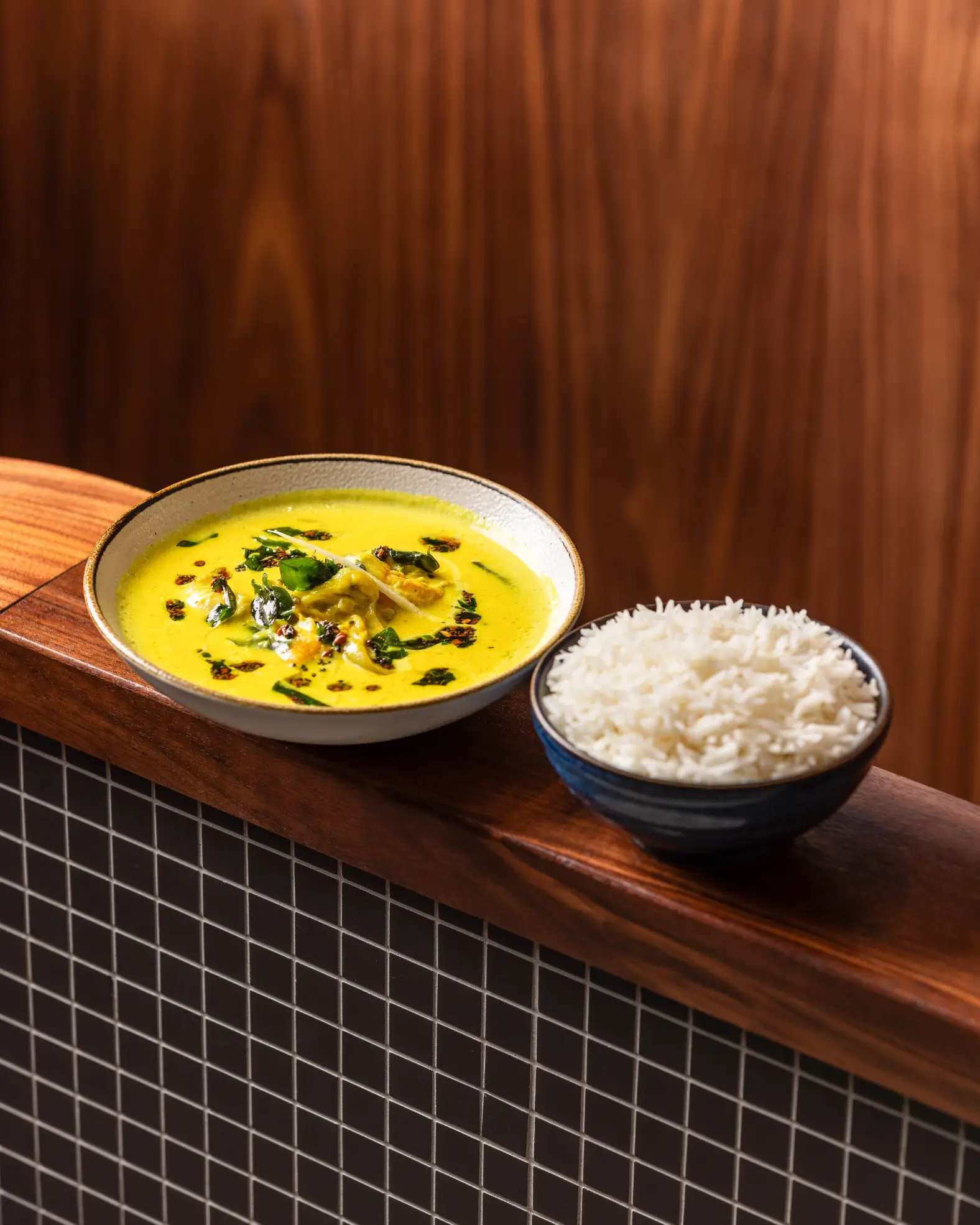
Slow cooking is not simply a technique; it is a necessity born of patience and circumstance. Lentils simmer for hours. Gravies develop depth gradually. Rice is rested, not rushed. These processes allow flavours to settle and harmonise, creating dishes that feel complete rather than assembled.
This respect for time mirrors the way memories form — slowly, through accumulation rather than impact. A dish remembered fondly is rarely one eaten once. It is one eaten often, at different moments of life, accumulating meaning with each repetition.
In Indian culture, food memory is therefore inseparable from duration. The longer a dish exists in one’s life, the deeper its significance becomes.
Food as Emotional Geography
Indian food often functions as a map.
Each region carries its own flavours, techniques, and textures shaped by climate, agriculture, and history. Yet these regional distinctions are not rigid. Migration — whether through work, marriage, or travel — carries recipes across boundaries, where they adapt quietly to new environments.
This movement creates layered food memories. A dish cooked in Delhi may carry echoes of Punjab, Bengal, or Rajasthan. The result is not confusion, but complexity.
In this way, Indian food memory reflects India itself — plural, mobile, and interconnected. It is not bound to a single place, but to a network of experiences.
Why Indian Food Memory Resonates in Paris
Paris is a city that understands culinary memory instinctively.
Its food culture values consistency, technique, and restraint. Classic dishes are respected not because they are old, but because they have endured. Indian cuisine, when presented thoughtfully, aligns with this philosophy.
For diners in Paris — whether residents or travellers — Indian food that honours memory rather than spectacle feels natural. It offers warmth without excess, depth without heaviness.
This is why the best Indian restaurant experiences in Paris are those that resist over-explanation. They allow the food to speak quietly, trusting the diner to recognise what feels right.
The Crossing Paris and the Language of Memory
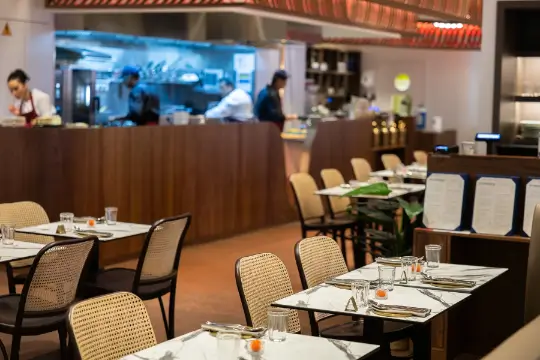
At The Crossing Paris, food memory is not referenced as a concept; it is embedded in the cooking.
Inspired by India’s railway journeys — where recipes travelled with people, adapting gently across regions — the restaurant approaches Indian cuisine as something lived rather than curated. Dishes are shaped by repetition, patience, and restraint.
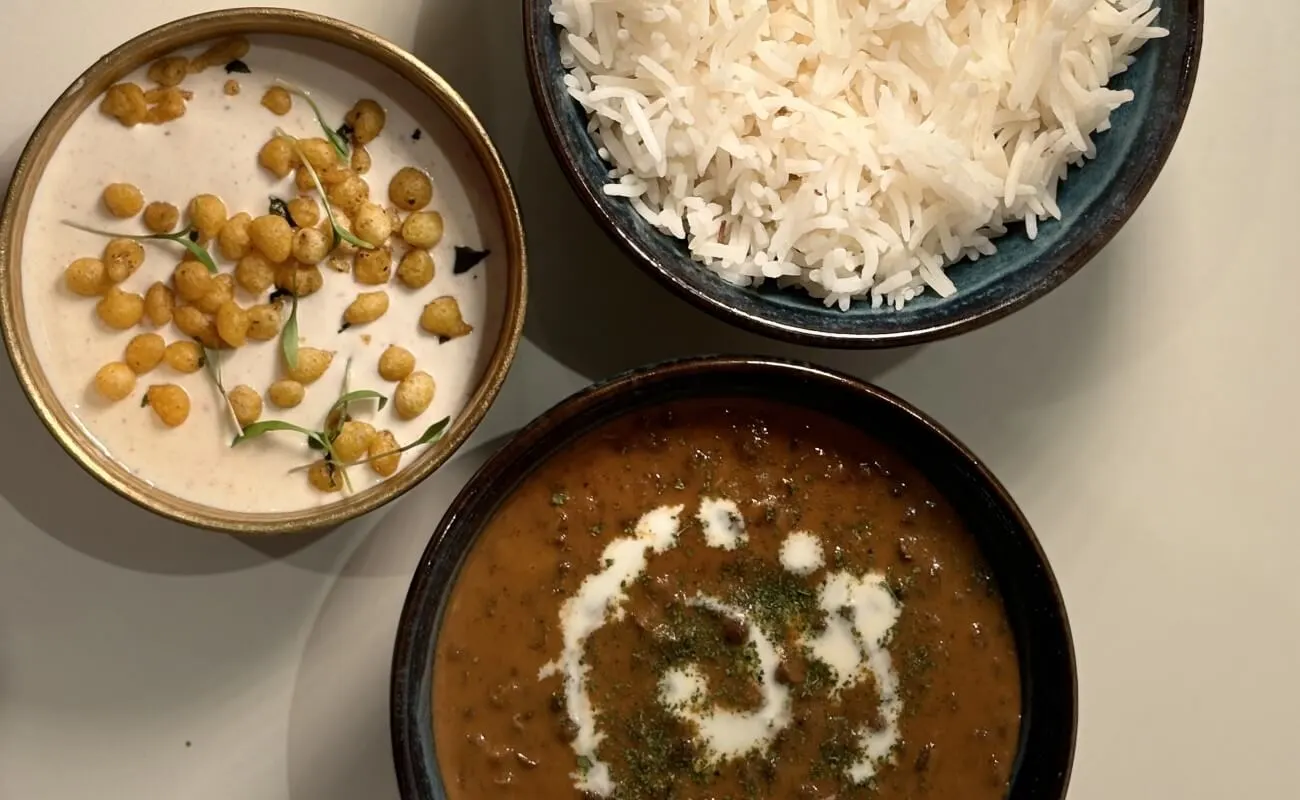
Slow-cooked lentils, railway-style curries, carefully balanced gravies, and understated desserts reflect a philosophy that values emotional recognition over novelty. These are dishes designed to feel familiar even to first-time guests.
Consistently rated among the best Indian restaurants in Paris, The Crossing does not attempt to recreate India. Instead, it translates Indian food memory into a language that belongs naturally in Paris — composed, confident, and quietly expressive.
Comfort as a Measure of Authenticity
In Indian culture, authenticity is often measured by comfort.
A dish is considered successful not when it impresses, but when it reassures. When it tastes “right” rather than “interesting.” This standard is demanding in its own way, because it leaves little room for error. Comfort exposes flaws.
Restaurants that understand this philosophy focus on fundamentals: correct seasoning, proper cooking times, and respect for ingredients. They avoid excessive garnish or reinterpretation.
This approach explains why Indian food that honours memory often feels lighter and clearer than expected. Its richness comes from balance, not accumulation.
Memory Without Nostalgia
It is important to distinguish food memory from nostalgia.
Nostalgia romanticises the past. Food memory simply remembers it.
Indian cuisine, at its best, does not attempt to recreate a lost time. It carries forward what still works — techniques, flavours, and rituals — while adapting naturally to context.
In Paris, this distinction matters. Indian food that relies on nostalgia risks feeling theatrical. Food rooted in memory feels grounded and relevant.
The Crossing’s philosophy reflects this balance. Its dishes acknowledge their origins without being bound by them, allowing Indian cuisine to exist comfortably in a contemporary European setting.
Final Thoughts: When Memory Becomes Craft
The philosophy of food memory in Indian culture offers an alternative way of thinking about cuisine.
It prioritises repetition over reinvention, recognition over surprise, and depth over display. It treats food not as a performance, but as a relationship built over time.
In Paris — a city that values craft, patience, and culinary seriousness — this philosophy finds a natural home. The best Indian restaurant experiences are those that understand that memory cannot be manufactured. It must be earned.
When Indian food honours its own memory, it does more than feed. It connects. And in that connection lies its quiet power.