Table of Contents
- A Dish Often Misunderstood
- The Two Foundations: Tikka and Butter Masala
- Why Paneer Changes the Structure
- The Role of Spice, Dairy, and Balance
- How the Dish Evolves in Modern Kitchens
- Why It Remains a Staple
A Dish Often Misunderstood
Paneer tikka butter masala is frequently treated as a simple vegetarian counterpart to butter chicken, but this framing misses its complexity. It is not an adaptation—it is a composition built from two distinct techniques: grilling and sauce-making.
The dish reflects a broader principle in Indian cuisine, where elements are developed separately and then brought together with intention. At The Crossing Indian Bistro, this approach is fundamental—each component is treated with clarity before integration, ensuring the final dish feels structured rather than heavy.
The Two Foundations: Tikka and Butter Masala
To understand the dish, it helps to separate its two parts. “Tikka” refers to paneer that is marinated—typically in yogurt, chili, and spices—and then cooked at high heat, traditionally in a tandoor. This process creates light charring and firm texture, giving the paneer definition.
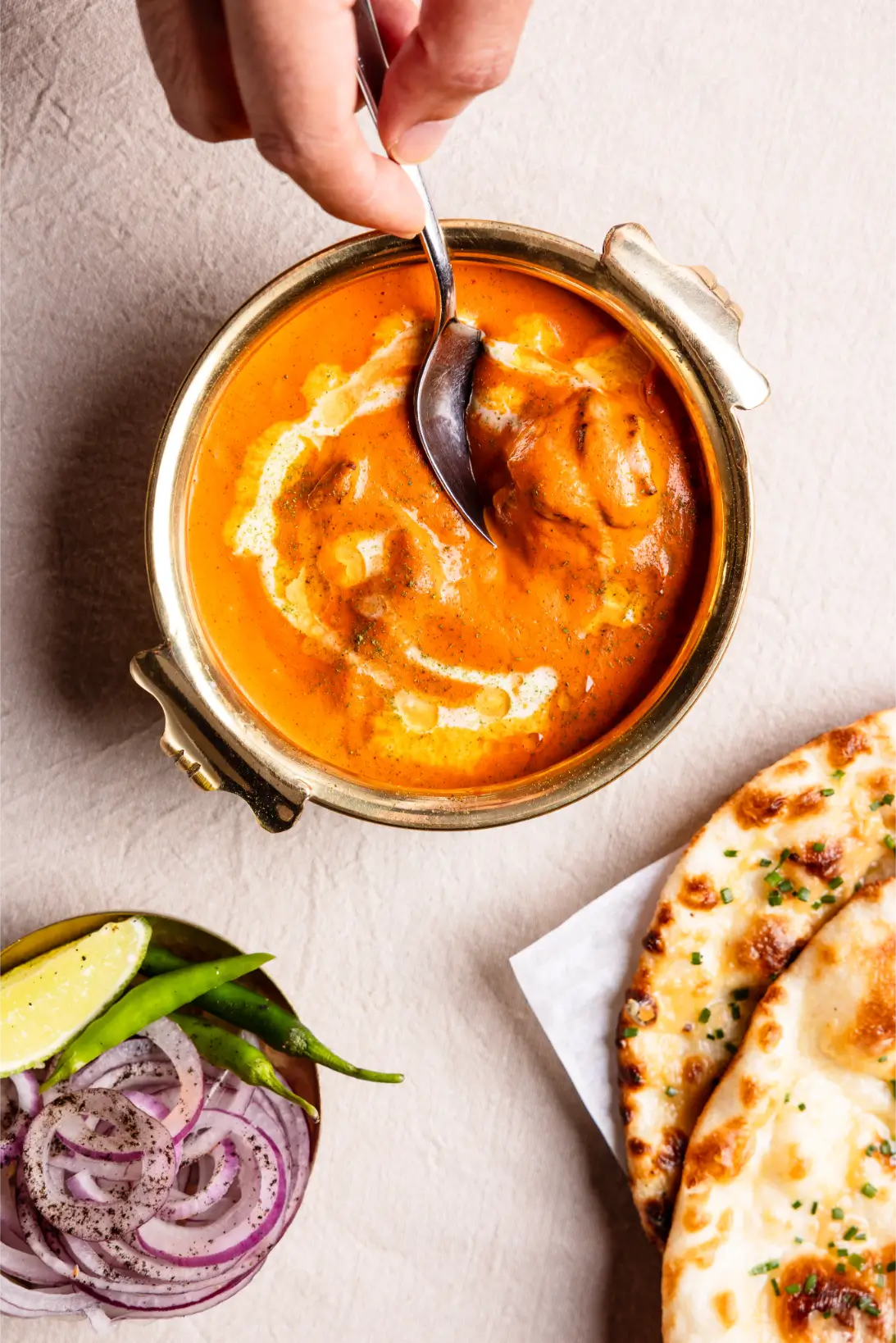
“Butter masala,” on the other hand, is a North Indian sauce built from tomatoes, butter, and aromatic spices like fenugreek and cardamom. It is designed to be smooth, balanced, and cohesive rather than aggressively spiced.
When combined, the grilled paneer absorbs the sauce without losing its structure, creating a dish that is layered rather than blended into uniformity.
Why Paneer Changes the Structure
Paneer behaves very differently from meat, and this changes how the dish is constructed. Unlike chicken, paneer does not absorb marinades deeply—it holds flavour primarily on its surface. This makes technique critical.
The grilling stage must create enough texture and flavour on the outside, while the sauce provides depth and moisture. The balance between these two elements determines whether the dish feels composed or flat.
At The Crossing, the tawa paneer butter masala reflects this balance, pairing paneer with a controlled tomato and butter base that enhances rather than overwhelms.
The Role of Spice, Dairy, and Balance
What defines paneer tikka butter masala is not intensity, but control. Spices are used to create warmth and aroma rather than heat, while dairy—through butter and sometimes cream—softens and carries those flavours.
Fenugreek adds a subtle bitterness that prevents the dish from becoming overly sweet, while tomato provides acidity to balance richness. This interplay is what gives the dish its characteristic smoothness without heaviness.
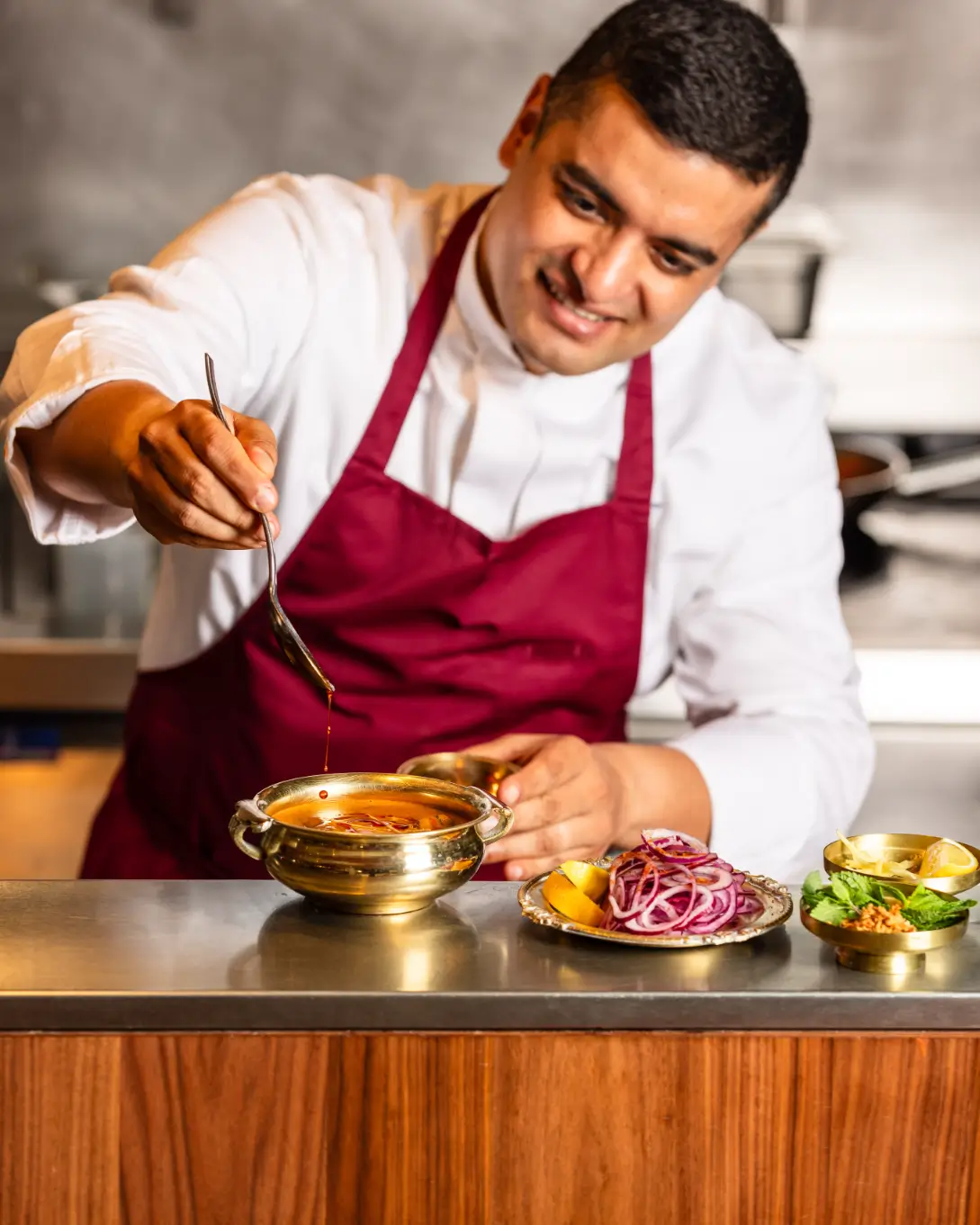
This aligns with a broader culinary philosophy seen in Chef Ankur’s cooking—using fewer elements, but applying them with precision so that each ingredient has a clear role.
How the Dish Evolves in Modern Kitchens
In contemporary Indian restaurants, paneer tikka butter masala has evolved toward refinement. The focus is no longer on richness alone, but on clarity—reducing excess cream, controlling sweetness, and allowing the spice profile to remain distinct.
At The Crossing Indian Bistro in Paris, this evolution is evident. The dish is presented with restraint, ensuring that the paneer retains its texture, the sauce remains balanced, and the overall experience feels lighter without losing depth.
This reflects a broader shift in how Indian food is understood globally—not as heavy or indulgent, but as precise and structured.
Why It Remains a Staple
Paneer tikka butter masala endures because it sits at the intersection of familiarity and technique. It is approachable in flavour, yet complex in construction—making it both widely loved and technically significant.
It also represents the adaptability of Indian cuisine. While rooted in North Indian traditions, it continues to evolve, responding to changing tastes while retaining its core identity.
Conclusion
The story behind paneer tikka butter masala is not about invention, but about integration. It brings together fire and sauce, texture and richness, tradition and refinement.
Understanding the dish reveals something larger about Indian cuisine itself: that its most iconic preparations are not defined by excess, but by balance—carefully built, thoughtfully combined, and designed to endure.