Table of Contents
- What Defines Indian Street Snacks?
- The Origins: Street Food as Everyday Culture
- The Architecture of Flavor in Chaat
- How Street Snacks Evolved Across Regions
- From Informal to Intentional: Modern Interpretations
- Why Street Food Still Shapes Indian Dining
- The Crossing: Refining Street Snacks in Nice
What Defines Indian Street Snacks?
Indian street snacks are often reduced to the idea of “quick bites”—cheap, fast, and indulgent. In reality, they represent one of the most sophisticated flavor systems in Indian cuisine.
These dishes are built on contrast: crisp against soft, tangy against sweet, heat balanced by cooling elements. Unlike structured meals, street snacks are immediate and expressive, designed to deliver impact in a few bites.
What makes them significant is not just taste, but accessibility. They exist at the intersection of everyday life—available across cities, towns, and railway platforms—shaped by movement, memory, and local ingredients.
The Origins: Street Food as Everyday Culture
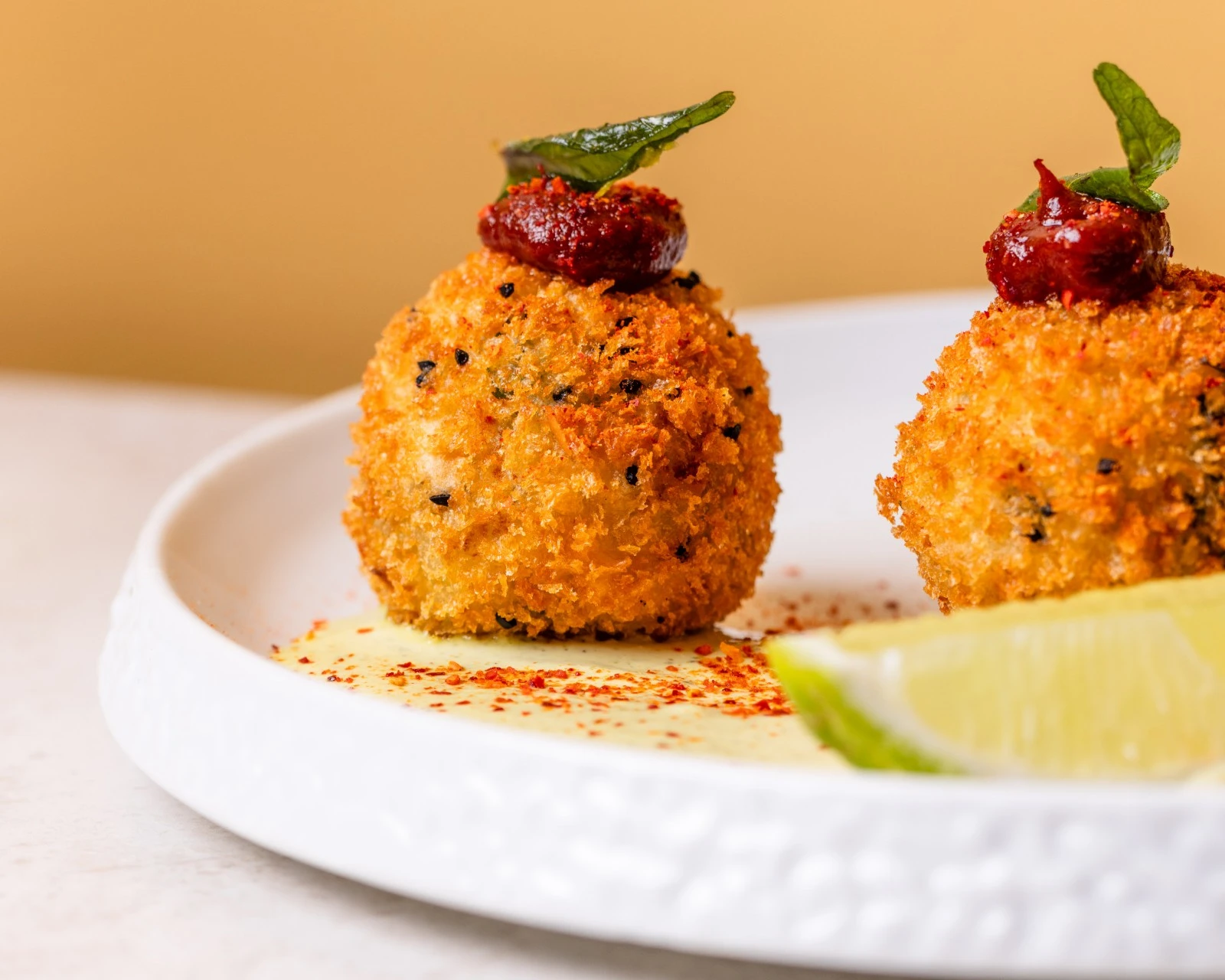
Street food in India developed not as a trend, but as a necessity. In dense urban environments and along travel routes, vendors created dishes that were affordable, portable, and satisfying.
Over time, these foods became cultural markers. Each region developed its own variations, influenced by climate, produce, and local preferences. A snack in Mumbai would differ entirely from one in Delhi or Kolkata, yet share a recognizable logic of balance and immediacy.
This diversity reflects a broader truth about Indian cuisine: it is not unified by sameness, but by coexistence.
The Architecture of Flavor in Chaat
Chaat is perhaps the most defining category of Indian street snacks. It is not a single dish, but a framework for combining textures and flavors.
A typical chaat brings together:
- A crispy base, such as fried dough or lentil patties
- A tangy element, often tamarind
- A cooling component like yogurt
- Fresh herbs for brightness
- Spices that add warmth rather than heat
The result is a layered experience where no single flavor dominates. Each bite is slightly different, yet cohesive.
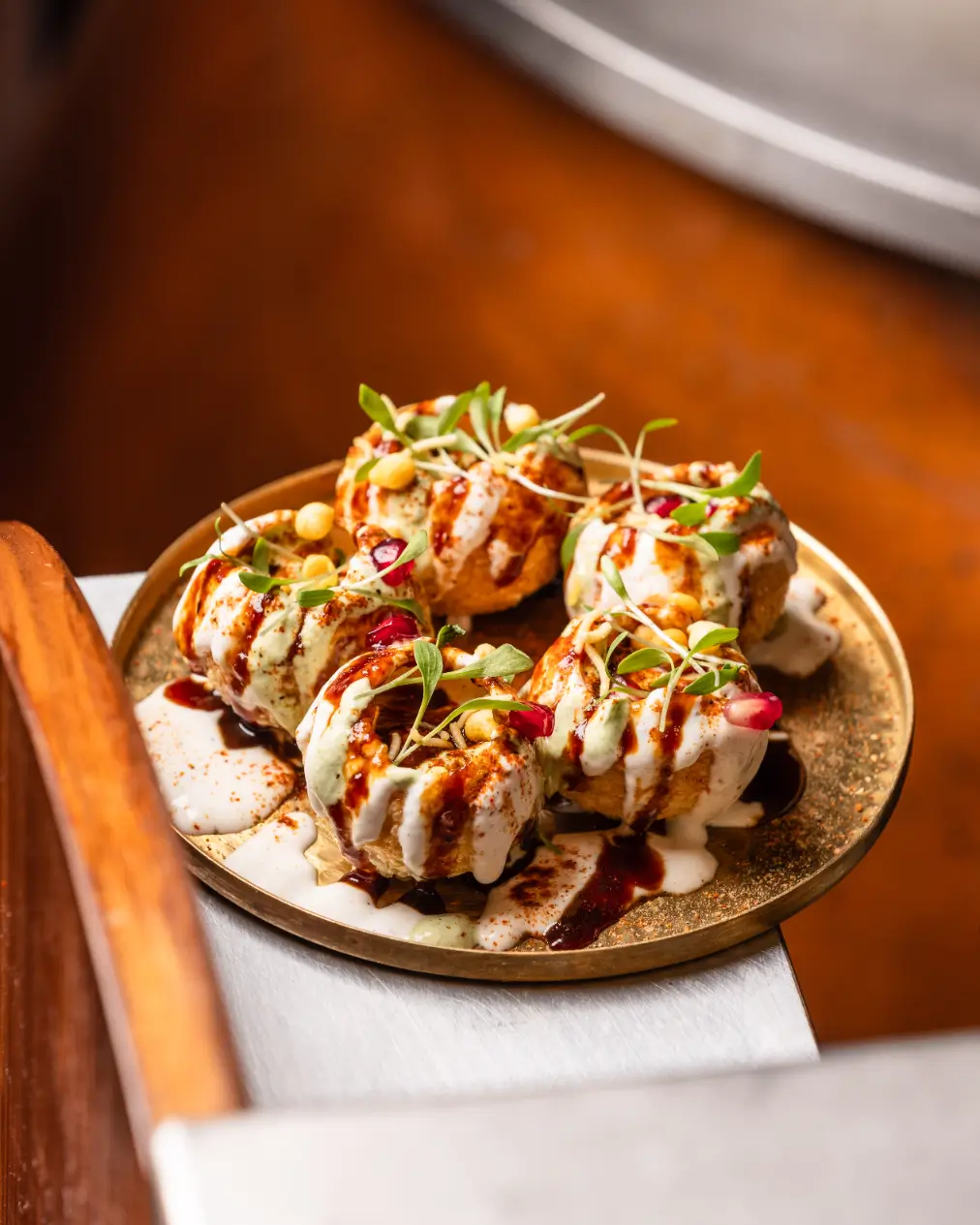
At The Crossing, this philosophy is reflected in dishes like the Crossing Chaat Bowl and dahi puri, where precision replaces excess, and each component is carefully balanced.
How Street Snacks Evolved Across Regions
As people moved—through migration, trade, and railway travel—street snacks evolved alongside them.
Ingredients shifted based on availability. Techniques adapted to new environments. A dish that originated in one city would transform as it traveled, absorbing influences while retaining its core identity.
This process mirrors the evolution of Indian cuisine as a whole. Recipes are not fixed; they are shaped by context. Street snacks, in particular, are highly responsive, making them one of the most dynamic parts of the culinary landscape.
From Informal to Intentional: Modern Interpretations
In recent years, Indian street food has moved beyond its informal roots into more structured dining environments.
This shift is not about elevating street food in a superficial sense. It is about understanding its logic and presenting it with clarity. When executed well, the same principles—balance, contrast, immediacy—translate seamlessly into refined settings.
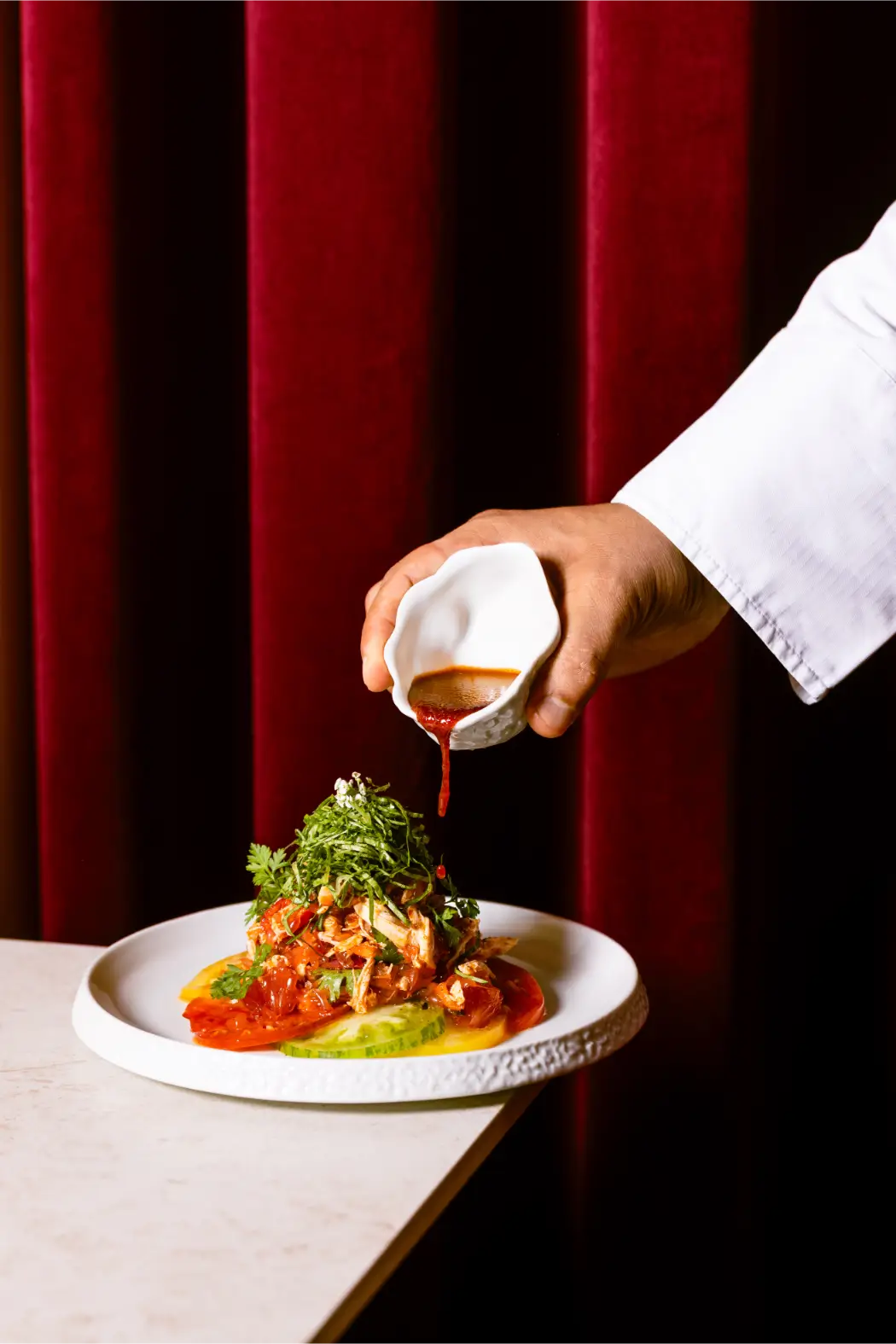
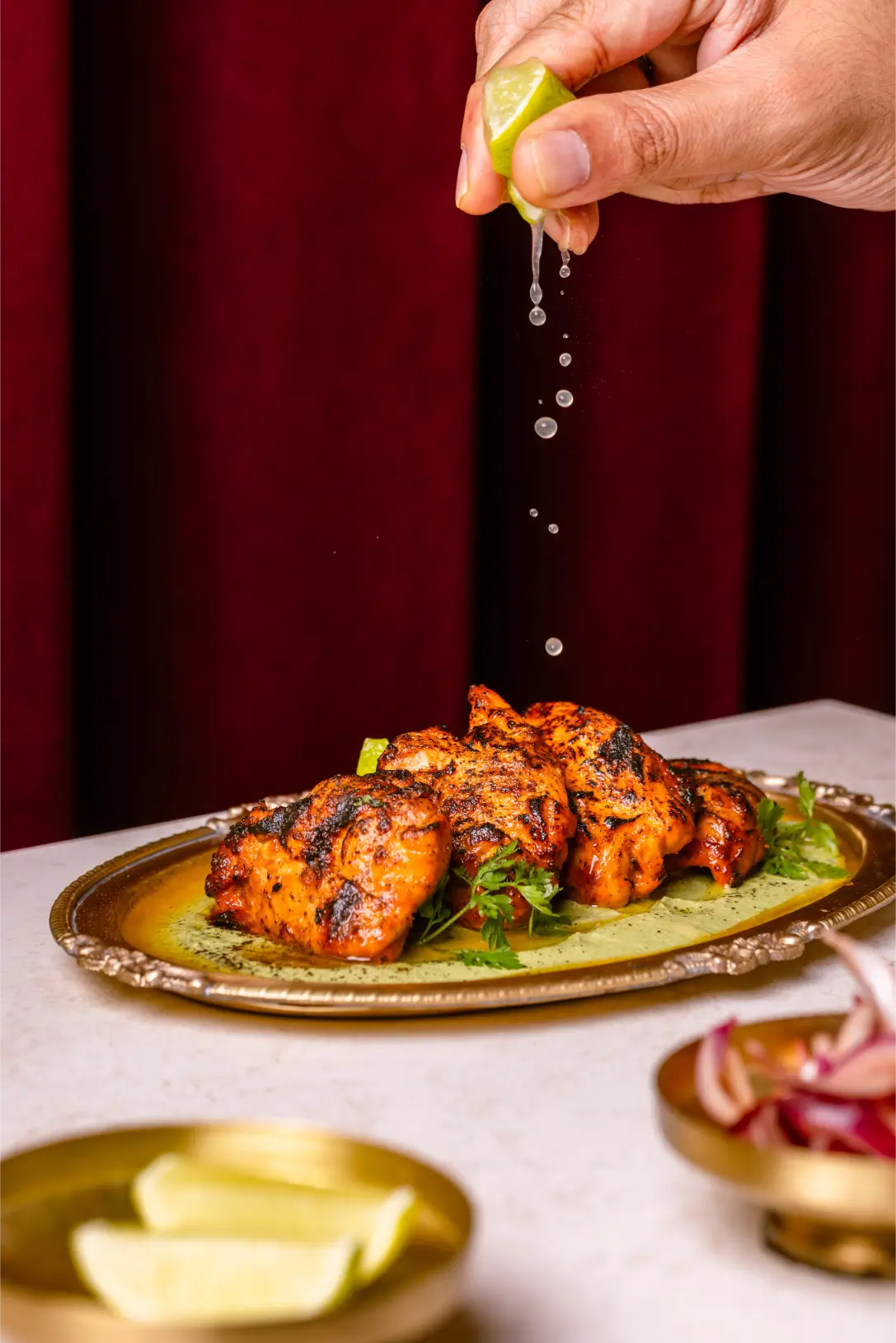
At The Crossing, this approach is evident in how street-inspired dishes are composed. Ingredients are carefully sourced, techniques are controlled, and presentation is simplified without losing character.
The goal is not to replicate the street, but to interpret it.
Why Street Food Still Shapes Indian Dining
Street snacks continue to influence how Indian food is experienced, even in formal settings.
They introduce the idea that meals can be interactive, layered, and shared. They also demonstrate that complexity does not require heaviness. A well-made chaat, for example, can be as nuanced as a multi-course dish, but far more immediate.
This influence extends beyond India. As global diners become more curious and informed, there is a growing appreciation for dishes that feel both accessible and deeply rooted.
The Crossing: Refining Street Snacks in Nice
At CAP3000 on the French Riviera, The Crossing Indian Bistro brings this evolution into focus.
Drawing from the idea of food as movement—shaped by journeys, exchanges, and adaptation—the restaurant presents Indian street snacks with restraint and precision. The menu reflects a broader philosophy: that even the most familiar dishes can be reinterpreted without losing their essence.
Set against the Mediterranean backdrop, the experience feels both grounded and contemporary. Street food, once defined by immediacy, is given space—allowing its complexity to be understood rather than rushed.
Conclusion
Indian street snacks are not simply casual food; they are a reflection of how a culture eats, moves, and adapts.
From crowded city lanes to refined dining rooms, their evolution tells a larger story—one of balance, creativity, and continuity. At The Crossing, that story continues, shaped not by nostalgia, but by a clear understanding of what makes these dishes endure.