Table of Contents
- What Makes a Dish “Comfort Food”?
- What Is Aloo Tikki?
- The Balance of Texture and Flavor
- Street Food Origins, Structured Technique
- Why Aloo Tikki Resonates Across Regions
- Aloo Tikki at The Crossing Nice
- Final Thought: Comfort Through Simplicity
What Makes a Dish “Comfort Food”?
Comfort food is often defined by familiarity, but that definition is incomplete. The dishes that endure are not just familiar—they are structured to deliver consistency. They rely on ingredients that are accessible, techniques that are repeatable, and flavors that settle rather than challenge.
In Indian cuisine, comfort food rarely depends on richness alone. Instead, it is built on balance—spice that warms without overwhelming, texture that satisfies without heaviness, and a rhythm of eating that feels instinctive. Aloo tikki fits this framework precisely, which is why it remains one of the most widely loved dishes across the country.
What Is Aloo Tikki?
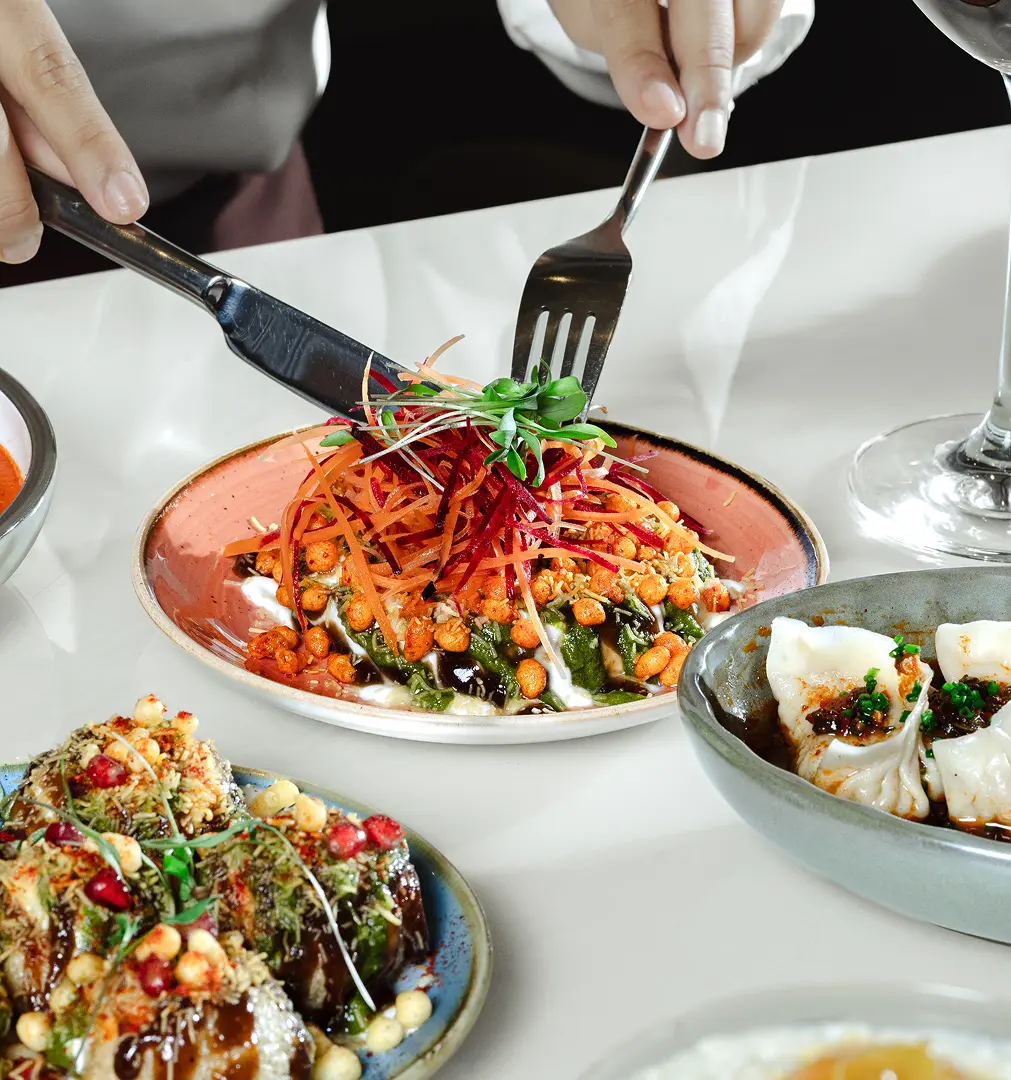
At its simplest, aloo tikki is a spiced potato patty, shallow-fried until crisp on the outside while remaining soft within. But reducing it to its ingredients misses its significance.
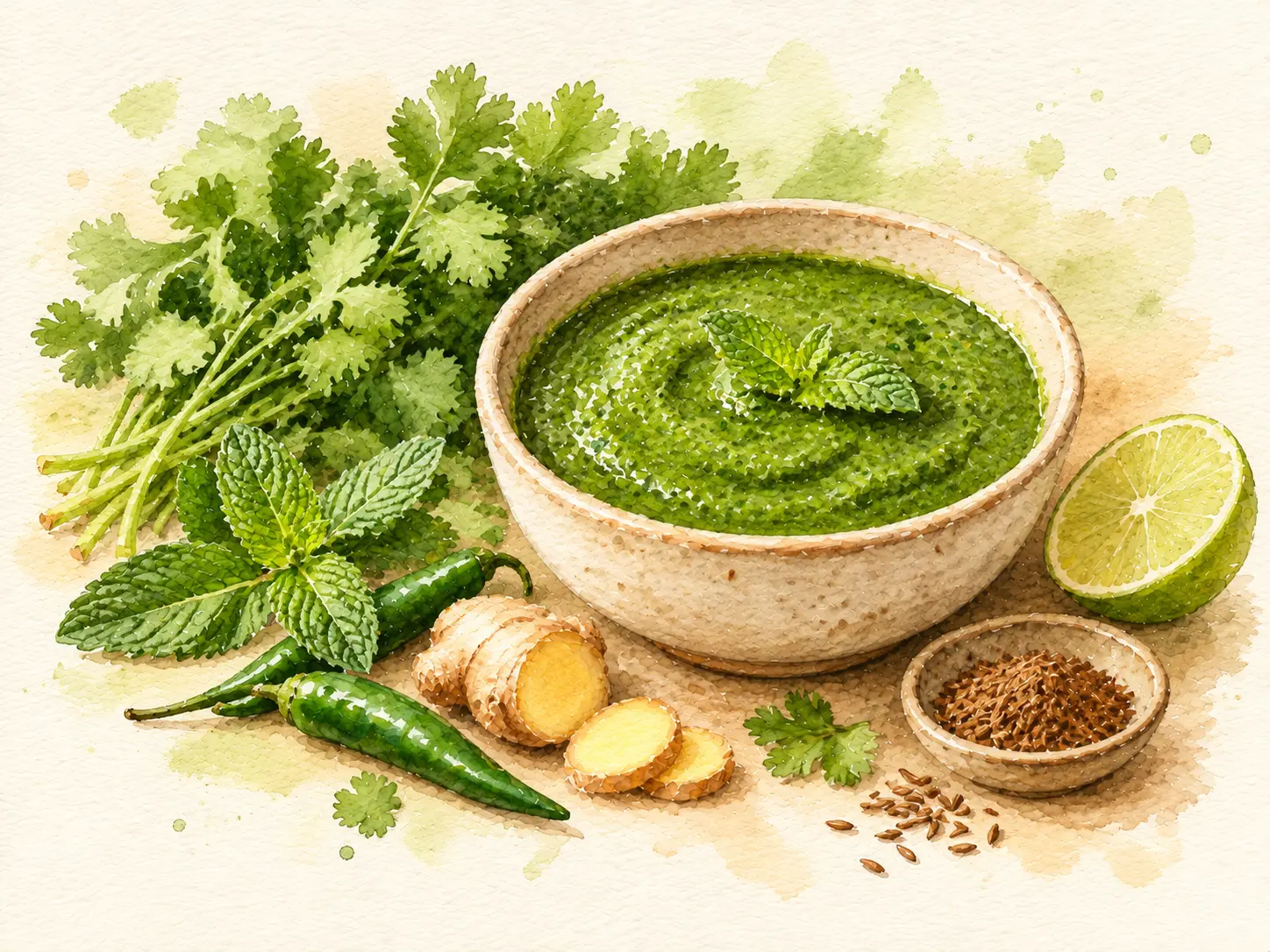
The base—boiled potatoes—is neutral, allowing spices such as cumin, coriander, and chili to define the profile. Often, it is paired with chutneys: tamarind for acidity, mint for freshness, and yogurt for balance.
What distinguishes aloo tikki is not complexity, but control. Each element is measured, ensuring that no single flavor dominates.
The Balance of Texture and Flavor
The appeal of aloo tikki lies in contrast. The exterior is crisp, achieved through controlled heat and careful shaping. The interior remains soft, almost creamy, providing a counterpoint to the crust.
Flavor follows a similar logic. The spices are present but restrained, allowing the potato to act as a base rather than a filler. Chutneys introduce acidity and sweetness, preventing the dish from feeling flat.
This balance is what elevates aloo tikki from a simple snack to a complete experience. It engages multiple senses without becoming overwhelming.
Street Food Origins, Structured Technique
Aloo tikki is most closely associated with Indian street food, where it is prepared quickly and served hot. Yet its simplicity can be misleading. Achieving consistency requires precision.
The potatoes must be cooked to the right texture—not too firm, not too soft. The mixture must hold shape without becoming dense. The frying process must create a crisp exterior without absorbing excess oil.
These variables are subtle, but they determine the final result. In a professional kitchen, this level of control transforms aloo tikki from casual street food into a refined dish.
Why Aloo Tikki Resonates Across Regions
India’s diversity often leads to regional variations in dishes, yet aloo tikki remains widely recognisable. This is because its core structure is adaptable.
Different regions may adjust spice levels, accompaniments, or presentation, but the foundation remains intact. This adaptability allows the dish to feel both local and universal.
It also explains why aloo tikki translates well beyond India. Its ingredients are familiar, its format is accessible, and its flavor profile is balanced enough to appeal to a broad audience.
Aloo Tikki at The Crossing Nice
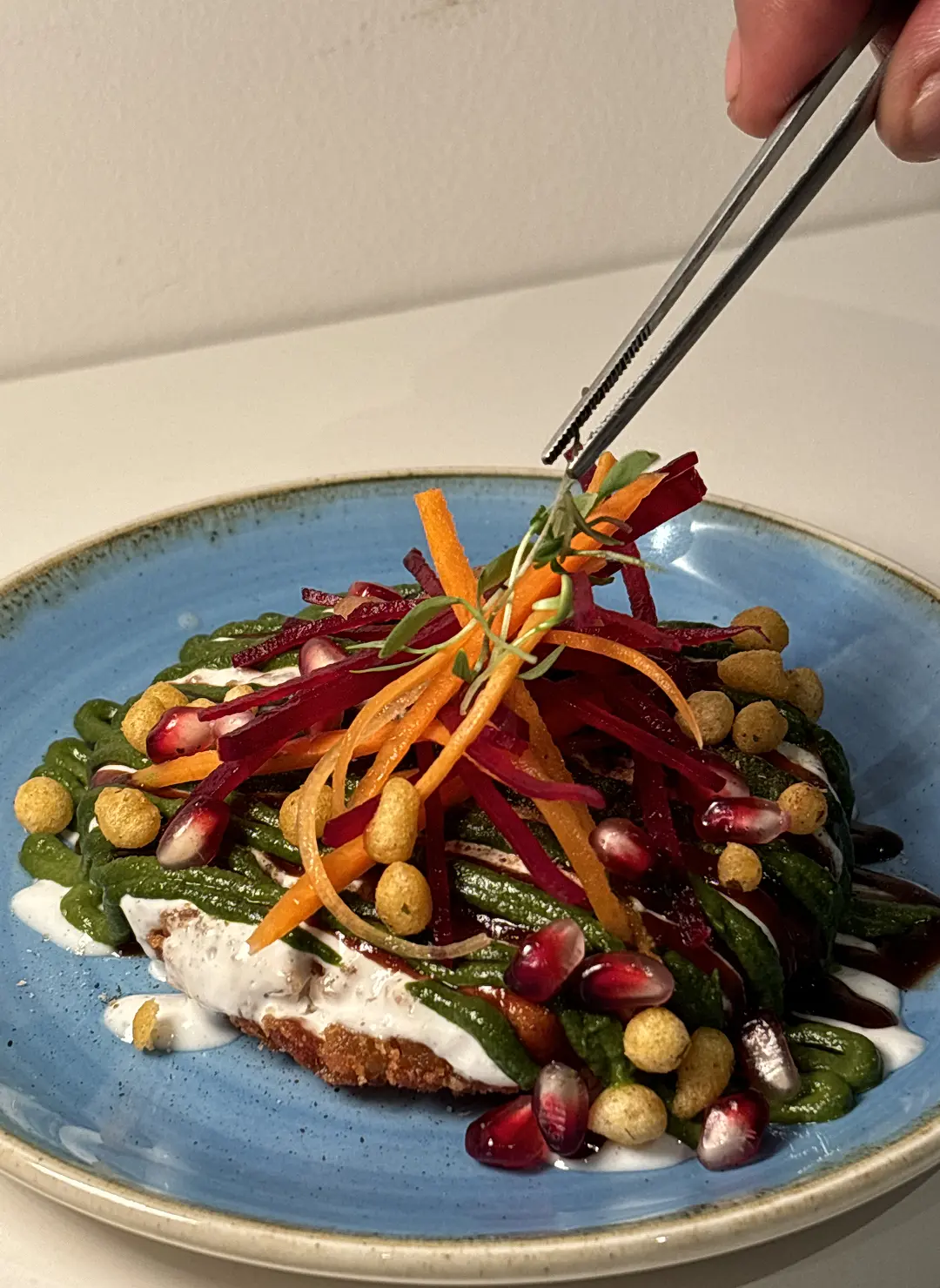
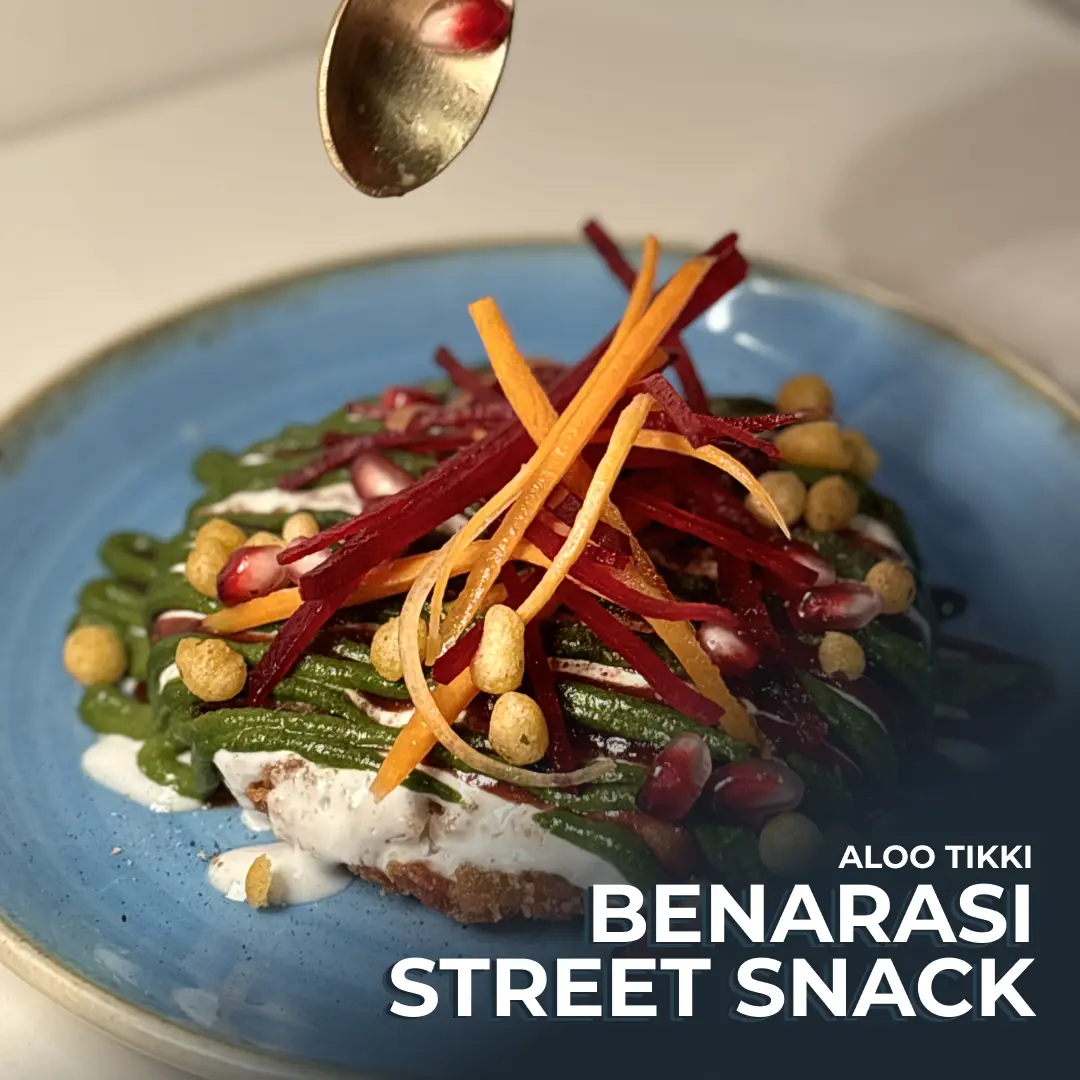
At The Crossing Indian Bistro in Nice, aloo tikki appears as part of the Junction Aloo Tikki—a composed dish that retains the essence of the original while refining its presentation. .2
The crisp potato patty is paired with tamarind chutney and a fresh salad of carrot and beetroot, introducing brightness and texture. The dish reflects the restaurant’s broader philosophy: editing rather than adding, allowing each component to contribute without excess.
This approach ensures that the dish remains recognisable while aligning with a more structured dining experience. It becomes not just a starter, but an introduction to how the kitchen thinks about balance.
Final Thought: Comfort Through Simplicity
Aloo tikki endures because it does not rely on complexity. Its strength lies in how well it executes the fundamentals—texture, balance, and restraint.
For diners exploring Indian cuisine in Nice, it offers an accessible entry point. It demonstrates that comfort food is not defined by heaviness or indulgence, but by clarity and consistency.
At The Crossing, this clarity is preserved. The dish remains simple, but never basic—an example of how thoughtful execution can elevate even the most familiar forms.