Table of Contents
- Why Seafront Dining Changes the Experience
- The Challenge of Pairing Indian Cuisine with the Coast
- The Crossing Nice: Where Location Meets Philosophy
- How the Menu Adapts to a Mediterranean Setting
- The Role of Pace, Space, and Atmosphere
- What to Expect from the Experience
- Final Thought: A Different Kind of Seafront Dining
Why Seafront Dining Changes the Experience
Dining by the sea introduces variables that go beyond the plate. Light, air, and movement subtly influence how food is perceived—flavours feel sharper, textures lighter, and meals naturally extend over time. In Nice, where the Mediterranean defines the rhythm of daily life, restaurants are expected to align with this environment rather than compete with it.
For cuisines built on depth, such as Indian food, this presents both an opportunity and a challenge. The experience must remain structured while adapting to a setting that encourages ease. When this balance is achieved, the result is not a compromise but an evolution of the dining experience.
The Challenge of Pairing Indian Cuisine with the Coast
Indian cuisine is often associated with intensity—rich curries, layered spices, and slow-cooked dishes. On the Riviera, where dining leans toward simplicity and freshness, this perception can feel at odds with the environment.
The challenge is not to reduce Indian food, but to refine it. Heavy sauces, excessive spice, or crowded plates can disrupt the natural flow of a seafront meal. Instead, the focus shifts toward clarity—allowing flavours to remain distinct while maintaining depth.
This is where technique becomes critical. Spice must be measured, cooking must be controlled, and dishes must be structured to complement rather than dominate the setting.
The Crossing Nice: Where Location Meets Philosophy
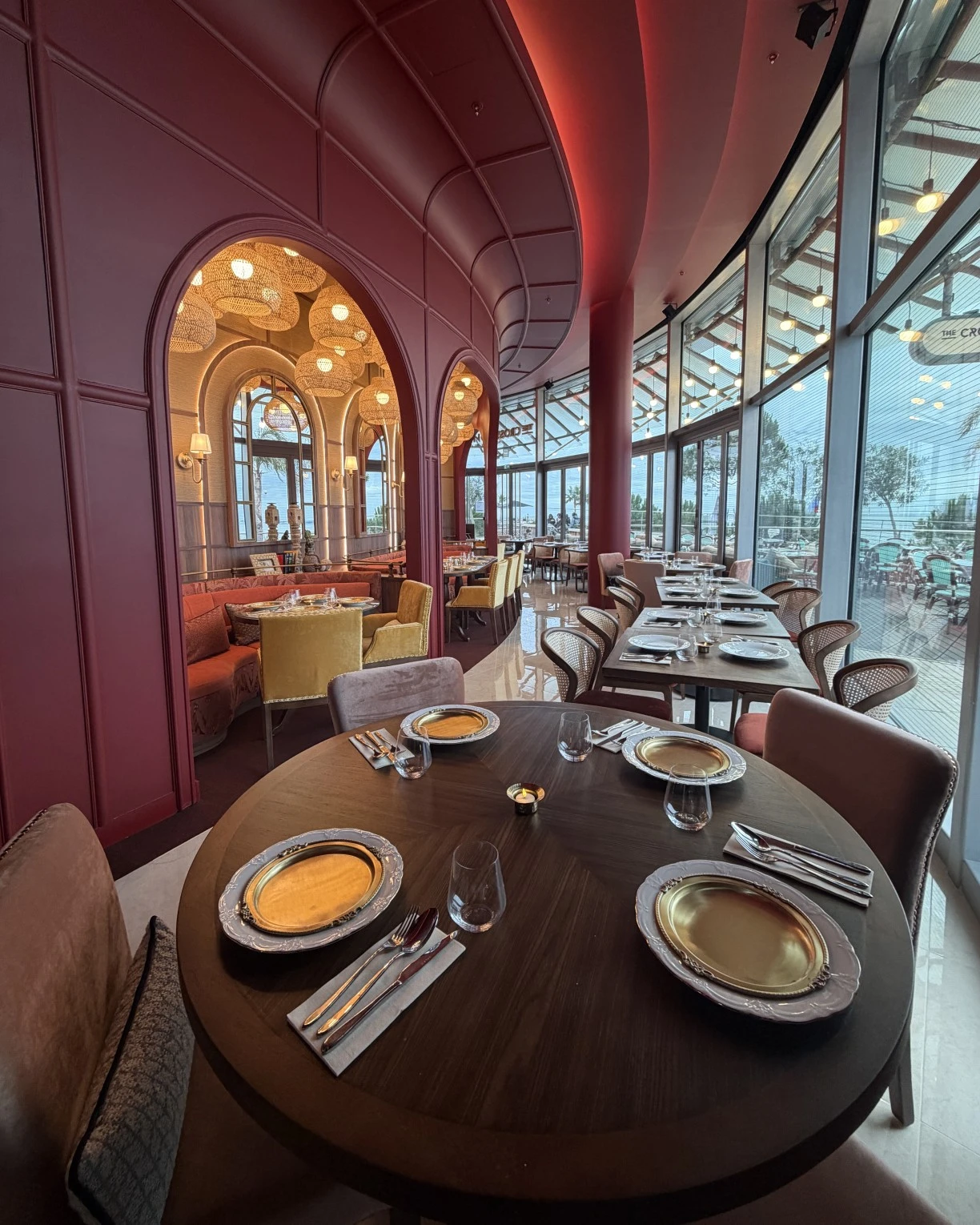
Located within CAP3000 in Saint-Laurent-du-Var, The Crossing Indian Bistro benefits from a direct relationship with the Mediterranean. Positioned near the seafront, it offers a dining environment that is both accessible and visually open. .1
However, its distinction lies not just in location, but in how the menu and atmosphere respond to it. The restaurant’s philosophy—rooted in movement, exchange, and restraint—aligns naturally with the fluidity of coastal dining. .1
This alignment allows The Crossing to function as more than an Indian restaurant in Nice. It becomes a space where cuisine and setting reinforce each other, rather than compete.
How the Menu Adapts to a Mediterranean Setting
The menu at The Crossing is designed with progression in mind. Instead of presenting a dense selection of dishes, it guides diners through a sequence that builds gradually.
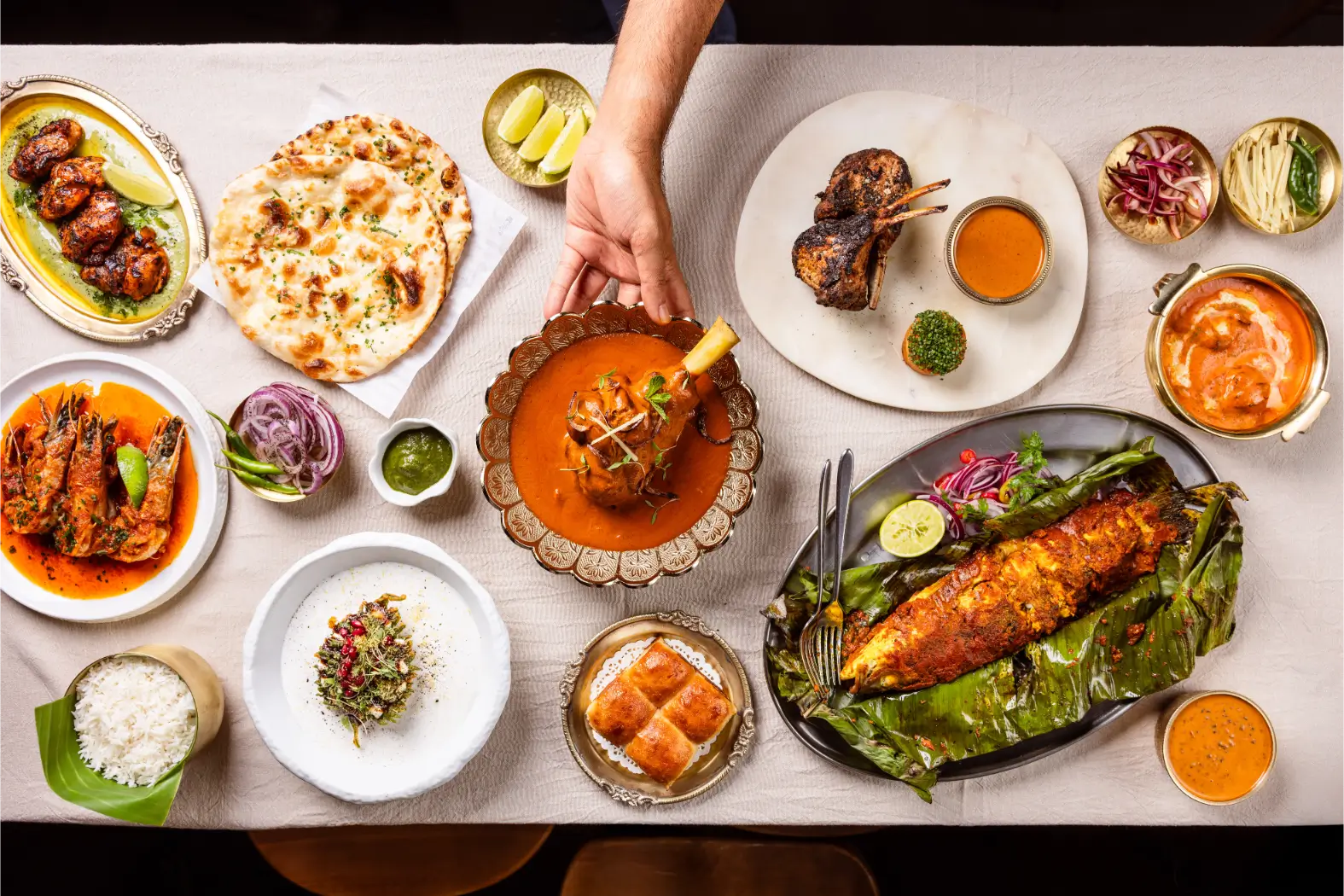
Small plates such as the Crossing Chaat Bowl or Dahi Puri introduce brightness and texture, aligning with the lighter expectations of seafront dining. These dishes provide contrast without weight, setting the tone for the meal.
Main courses maintain depth while avoiding excess. The Railway Lamb Curry offers slow-cooked intensity, while grilled dishes like Chicken Tikka or Paneer Tikka provide a cleaner, more direct expression of flavour. .2
This balance ensures that the meal feels complete without becoming overwhelming, allowing diners to engage with the cuisine while remaining attuned to the setting.

The Role of Pace, Space, and Atmosphere
Seafront dining is defined as much by pace as by food. Meals are rarely rushed; they unfold in response to conversation, environment, and mood. The Crossing supports this rhythm through its approach to service and layout.
The space is designed to feel composed rather than crowded, allowing diners to settle into the experience. Whether seated indoors or on the terrace, the proximity to the sea introduces a sense of openness that influences how the meal progresses.
This combination of controlled pacing and environmental awareness creates an experience that feels intuitive rather than orchestrated.
What to Expect from the Experience
For diners visiting The Crossing in Nice, the experience is defined by clarity. Flavours are precise, dishes are structured, and the overall progression of the meal feels deliberate.
Expect to share plates, to move gradually from lighter to more substantial dishes, and to engage with flavours that build rather than overwhelm. The setting encourages this approach, allowing the meal to extend naturally.
Beverage pairings—whether clean wines, light cocktails, or traditional chai—are selected to complement rather than compete, reinforcing the balance between cuisine and environment.
Final Thought: A Different Kind of Seafront Dining
Dining by the sea often prioritises simplicity, but simplicity does not have to exclude depth. At The Crossing Indian Bistro, the two are brought into alignment.
By refining Indian cuisine to suit its Mediterranean context, the restaurant offers an experience that feels both grounded and elevated. It does not attempt to replicate tradition unchanged, nor does it dilute it for accessibility.
Instead, it presents a version of Indian dining that belongs to its setting—measured, balanced, and quietly distinctive. For those seeking a seafront restaurant in Nice that offers more than the expected, it stands apart through its understanding of both place and plate.