Table of Contents
- The Crossing’s Vision for Indian Dining in France
- Moving Beyond a Single Definition of Indian Food
- A Contemporary Perspective Rooted in Heritage
- Why France Matters
- Preserving Craft Beyond the Kitchen
- Building Bridges Through Food
- A Vision Still Unfolding
The Crossing's Vision for Indian Dining in France
Every cuisine carries two stories.
There is the story it tells about itself, shaped by generations of tradition, memory, and place. Then there is the story the world tells about it—often simplified, condensed, and reduced to a handful of familiar symbols.
For decades, Indian cuisine abroad has lived between those two narratives.
It is one of the world’s richest culinary traditions, yet outside India it has frequently been understood through a surprisingly narrow lens. A cuisine that spans mountains, coastlines, deserts, forests, and countless regional identities has too often been represented by only a small fraction of its possibilities.
The Crossing was created from the belief that there is another story worth telling.
Moving Beyond a Single Definition of Indian Food
India does not have one cuisine.
It has hundreds.
The food of Kashmir shares little resemblance with the cooking of Kerala. Coastal communities rely on ingredients and techniques entirely different from those found in northern plains or eastern river regions. Every state, city, and community contributes its own flavours, rituals, and culinary traditions.
Yet international perceptions of Indian food have often flattened this diversity.
The Crossing’s vision begins with restoring that complexity.
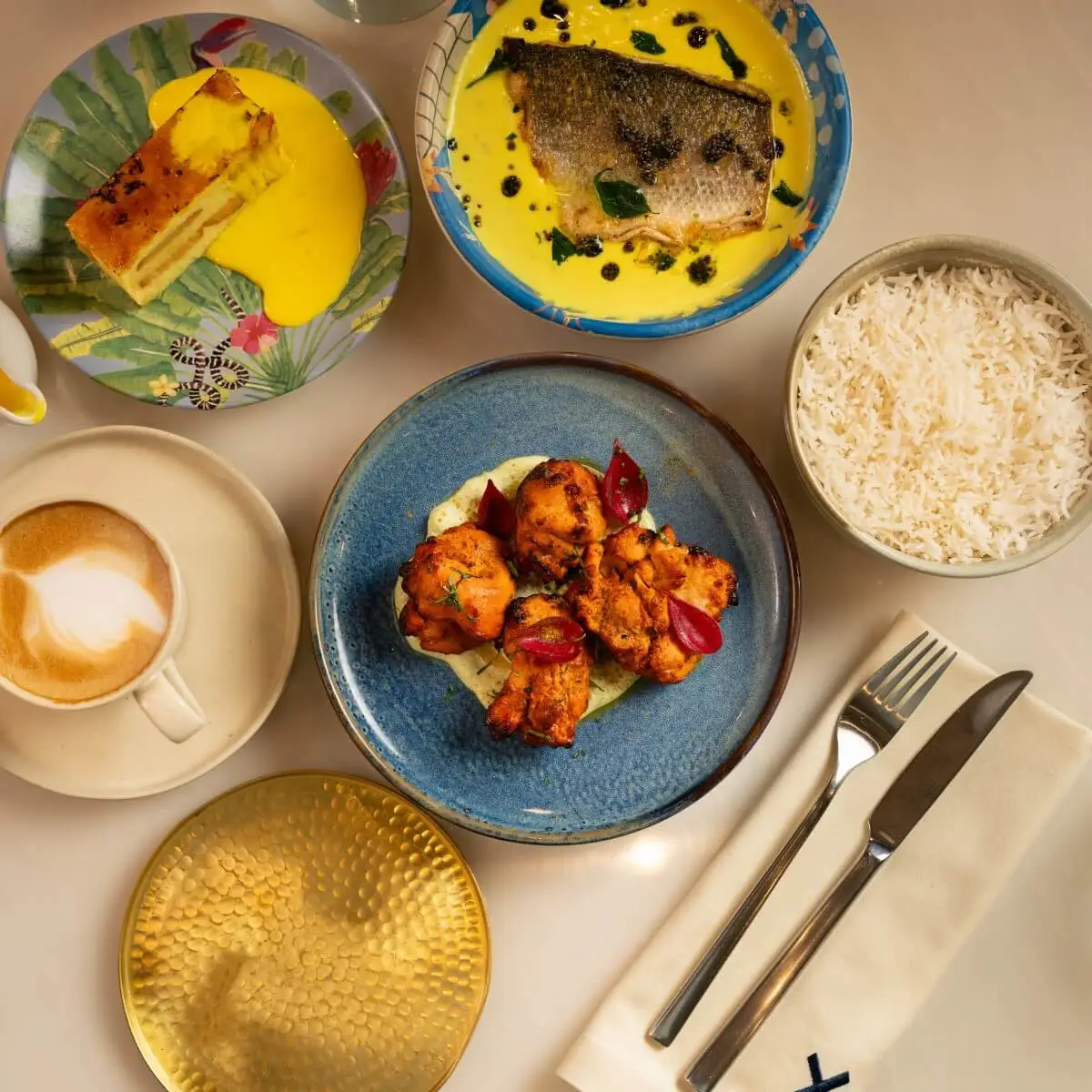
Rather than presenting Indian cuisine as a fixed category, the restaurant approaches it as a living collection of regional traditions connected through movement, migration, and cultural exchange. This philosophy is reflected in dishes inspired by different corners of the country and in a menu that celebrates diversity rather than uniformity.
The goal is not to challenge tradition.
It is to reveal more of it.
A Contemporary Perspective Rooted in Heritage
Modernity is often mistaken for reinvention.
In reality, the most meaningful innovation begins with understanding.
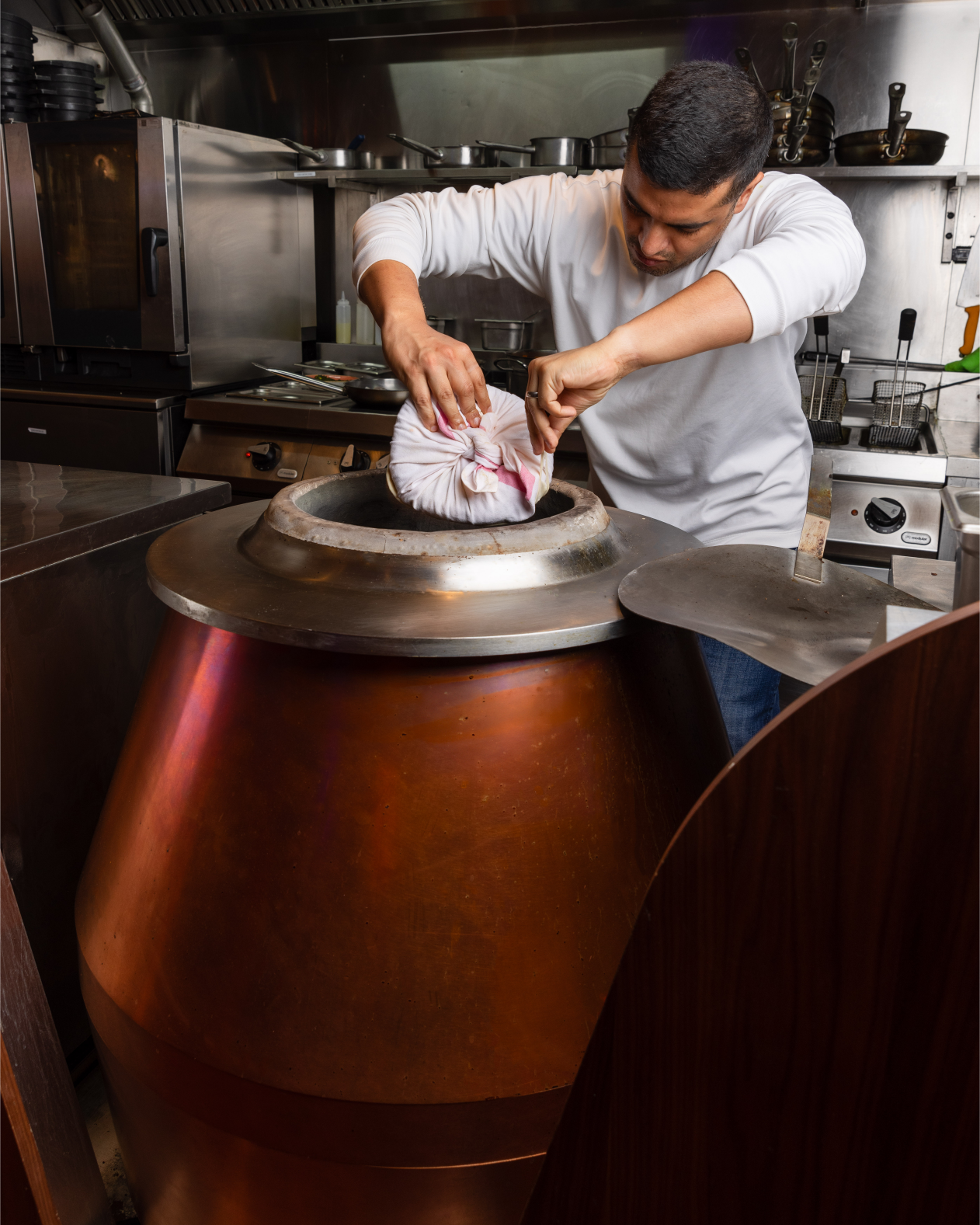
Chef Ankur Chakraborty’s approach is guided by a simple principle: respect the integrity of Indian cuisine while presenting it in a way that resonates with contemporary diners. Rather than adding complexity, he often removes it. Rather than amplifying every flavour, he seeks balance.
This philosophy allows ingredients, techniques, and regional stories to emerge with greater clarity.
The result is food that feels unmistakably Indian while speaking confidently to an international audience.
In France—a country that has long valued craftsmanship, precision, and culinary identity—this approach feels particularly relevant.
Why France Matters
France occupies a unique place in global food culture.
It is a country where dining remains deeply connected to ideas of heritage, quality, and craftsmanship. French diners are curious about ingredients. They appreciate technique. They value authenticity, but they also understand evolution.
These qualities make France fertile ground for a broader conversation about Indian cuisine.
The Crossing does not see France simply as a market. It sees it as a place where Indian gastronomy can be appreciated with greater nuance. A place where regional ingredients, slow cooking, and culinary storytelling can find an audience willing to engage with them.
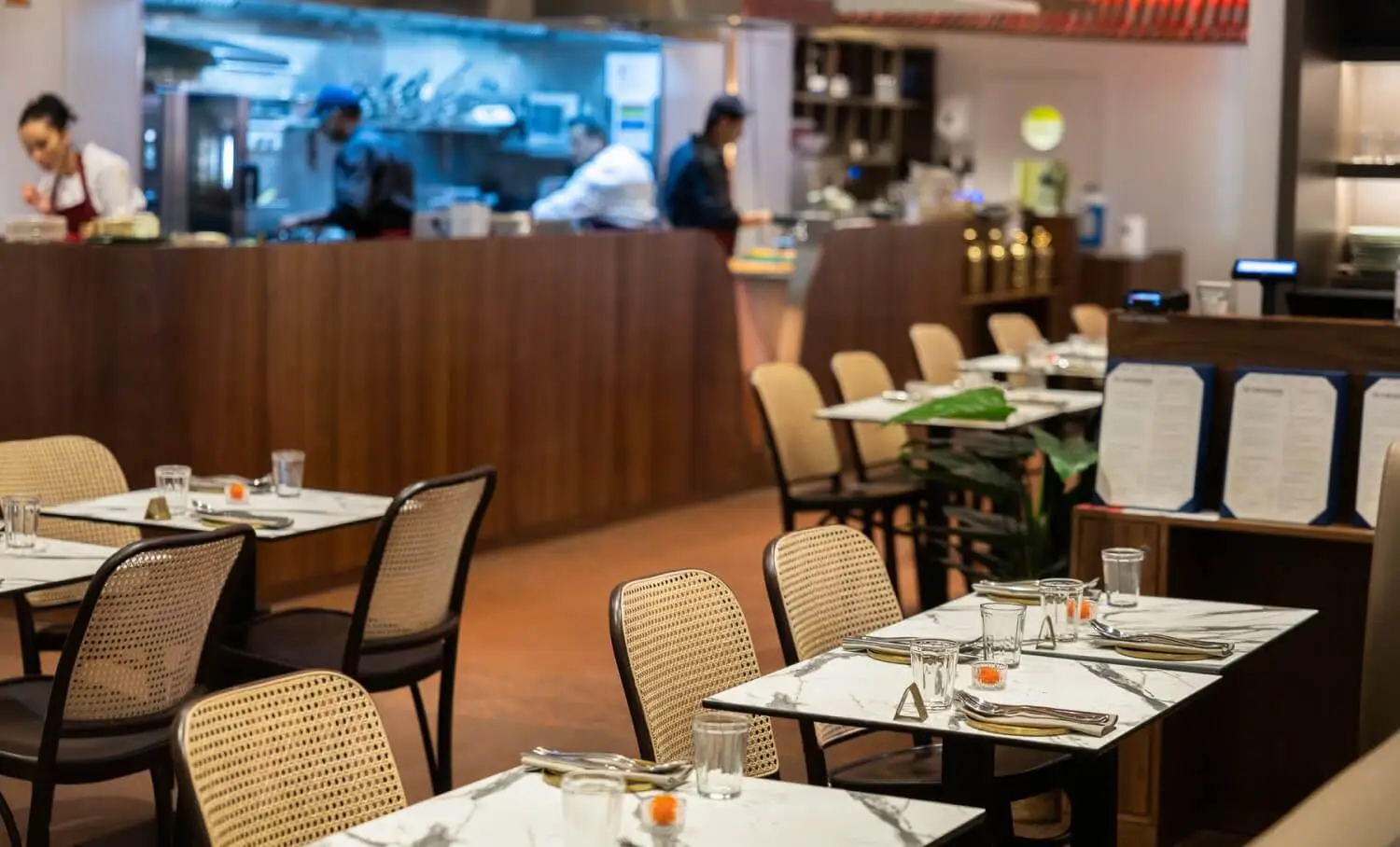
The restaurant’s presence inside Galeries Lafayette Le Gourmet reflects this ambition. As the first Indian restaurant within the iconic destination, it represents a belief that Indian cuisine belongs alongside some of the world’s most respected culinary traditions.
Not as an alternative.
As an equal.
Preserving Craft Beyond the Kitchen
The vision extends beyond food.
At The Crossing, Indian craftsmanship appears throughout the dining experience. Handcrafted brass tableware from Moradabad and artisan-made ceramics connect guests not only to culinary traditions but also to the communities and makers who sustain them.
This reflects a broader belief that hospitality should celebrate culture in its fullest sense.
Food, design, craftsmanship, and storytelling are not separate elements. Together, they create a more complete understanding of India and its creative heritage.
In this way, every meal becomes an act of cultural preservation as much as culinary expression.
Building Bridges Through Food
The Crossing takes its name from India’s railway crossings—places where routes intersect and journeys briefly converge. The metaphor remains central to its identity.
The restaurant was never intended to be a monument to nostalgia.
It was conceived as a meeting point.
Between India and France. Between tradition and modernity. Between diners who know Indian cuisine intimately and those encountering it for the first time.
Food has always been one of the most powerful ways cultures understand one another. Every shared meal creates a small act of exchange. Every new flavour challenges assumptions. Every story attached to a dish expands perspective.
That is the role The Crossing hopes to play.
A Vision Still Unfolding
The future of Indian dining in France will not be defined by a single restaurant.
It will be shaped by chefs, producers, artisans, and diners who believe Indian cuisine deserves to be explored with the same curiosity and respect granted to any great culinary tradition.
The Crossing hopes to contribute to that future by continuing to celebrate regional diversity, ingredient integrity, craftsmanship, and hospitality.
Not by changing what Indian cuisine is.
But by helping more people discover what it has always been.
A cuisine of extraordinary depth, constant movement, and endless possibility.